

1, Technical characteristics and standard system of M8 adapter
The M8 adapter belongs to the category of circular connectors, and its core design revolves around the M8 × 1.0 standard thread specification, providing 3-8-pole optional pin configurations, supporting 24V-30V voltage transmission, and rated current covering the range of 0.5A-4A. Its technical characteristics can be summarized into the following three points:
Environmental adaptability: Certified with IP67/IP68/IP69K protection level, it can operate stably in extreme temperature range of -40 ℃ to+125 ℃. Some models adopt PUR molded shell and epoxy resin sealing process, with characteristics such as oil resistance, cold resistance, and impact resistance. For example, the Lelutong M8 series has passed UL 2238-2022 certification and can maintain IP68 protection performance even at high temperatures of 125 ℃, meeting the high-temperature heat dissipation requirements at robot joints.
Signal integrity: The high-end models are equipped with twisted pair shielding layers and metalized plastic shells, which increase the EMI attenuation at a frequency of 1MHz to 62dB, far exceeding the UL 2238 standard baseline value of 50dB. This feature is crucial for multi axis robots and can effectively suppress electromagnetic interference between servo motors and encoders, avoiding trajectory deviation caused by signal distortion.
Mechanical stability: Adopting inclined self compensating buckle and third-order point damping structure, the insertion and extraction force is ≤ 45N, the insertion accuracy is ± 0.15mm, and the contact resistance fluctuation is ≤ 3m Ω. Taking the Boston Dynamics Atlas robot as an example, its vibration table test shows that the M8 adapter can still maintain stable connection under 10-2000Hz random vibration, meeting the dynamic requirements of 20G continuous vibration and 50G impact at the robot joints.
2, Core requirements and adaptation challenges of multi axis robot systems
The requirements for connectors in multi axis robot systems can be summarized as "three highs and one low": high-density integration, high dynamic reliability, high environmental robustness, and low latency transmission. Specifically:
Miniaturization and high-density integration: MIT laboratory data shows that a single joint needs to integrate 12+signal/power channels, requiring connectors to achieve multi-channel transmission in a limited space. Although the M8 adapter offers an 8-pole optional configuration, its channel density is significantly lower than the M12 series (which can support 19 poles) due to the physical size of 8mm diameter, which limits its performance in scenarios requiring ultra multi-channel transmission.
Dynamic reliability verification: The continuous vibration and impact at the joints of the robot impose strict requirements on the connector contacts. Industry tests have shown that traditional M8 adapters are prone to problems such as increased contact resistance and signal attenuation after long-term vibration. Lelutong uses a unique third-order point damping structure to control the fluctuation of contact resistance within 3m Ω, significantly improving dynamic stability. However, this technology has not yet become a standard in the industry.
Global robustness: From humid environments in the food processing industry to high-temperature smoke and dust in automotive welding workshops, robots need to adapt to diverse working conditions. Although the M8 adapter has an IP68 protection level, its brass nickel plated shell still has weaker corrosion resistance than stainless steel material in highly corrosive environments. The stainless steel cover design M8 adapter launched by Moore Electronics has been verified through salt spray testing to meet the anti pollution needs of the food processing industry, but the cost is 40% higher than ordinary models.
3, Industry Practice: Typical Application Scenarios of M8 Adapter
Despite technological boundaries, the M8 adapter still holds a place in multi axis robot systems due to its cost advantage and flexibility. The following are three typical application scenarios:
Sensor signal transmission: M8 adapters are commonly used to connect low-power devices such as photoelectric switches and force sensors at the end effector or joint of robots. Its IP67 protection level and 0.5A rated current can meet the requirements of sensor signal transmission, while its compact design reduces the occupation of robot motion space. For example, in the flexible joints of collaborative robots, the ± 0.15mm insertion accuracy of the M8 adapter can adapt to millimeter level alignment errors, ensuring accurate sensor data collection.
Auxiliary equipment wiring: In the robot workstation, the M8 adapter achieves flexible wiring of external cables through a T-shaped head and a Y-shaped connector. For example, in the automotive welding production line, the M8 adapter connects the welding robot with auxiliary equipment such as wire feeders and cooling systems. Its 4A rated current can support the power supply requirements of the equipment, while the IP69K protection level resists welding spatter and coolant erosion.
Lightweight robot system: For lightweight robots with a load of less than 5kg, the M8 adapter has significant advantages in weight and cost. Taking EDAC Yade Electronics' M8 adapter as an example, the combination of its PVC shell and brass nickel plated terminals reduces the weight of a single piece by 30% compared to the M12 model, while reducing costs by 25%, making it a cost-effective choice in fields such as educational robots and service robots.
4, Technological Evolution and Future Trends
Faced with the continuous upgrade demand for connector performance in multi axis robot systems, the M8 adapter is breaking through technological boundaries through the following paths:
Material innovation: Some manufacturers use liquid metal injection molding technology to replace traditional brass shells, reducing weight by 50% while maintaining IP68 protection level, suitable for scenarios with extremely high lightweight requirements such as drones and exoskeleton robots.
Integrated design: By integrating connectors with circuit boards, an integrated module of "connector+EMC filtering+signal conditioning" is developed. This type of design can reduce the number of cables inside the robot, reduce signal transmission delay, and enhance the system's anti-interference ability.
Intelligent monitoring function: embedded temperature sensor and contact resistance monitoring chip, providing real-time feedback on the working status of the connector. For example, the self diagnostic function equipped in the Lelutong M8 series can trigger an alarm when the contact resistance exceeds the threshold, avoiding robot malfunctions caused by connection failures.
Can the M8 adapter be used for multi axis robot systems?
Popular Products
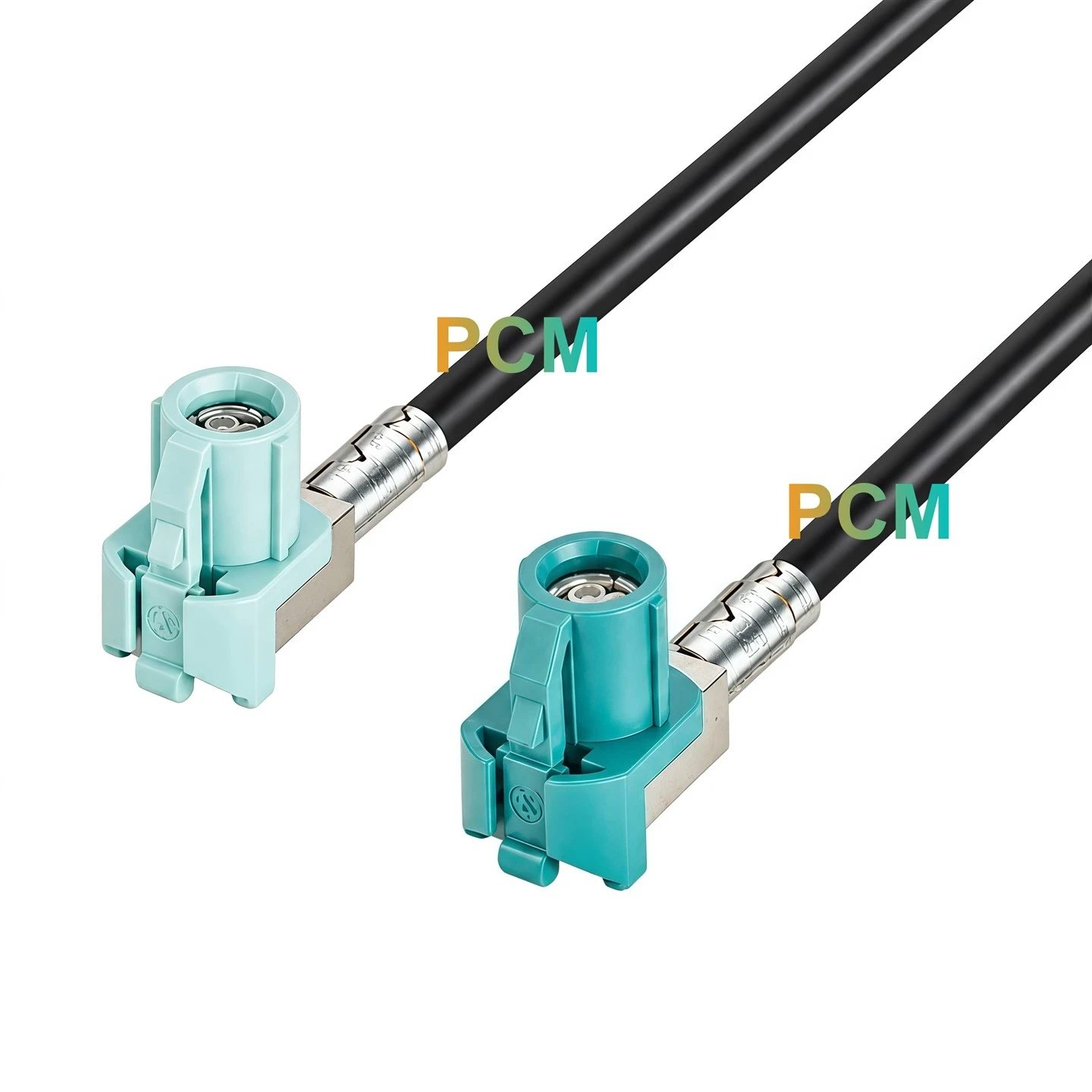
Rosenberger LD5-218-xxxx-y-y Cable
Rosenberger LD5-218 HSD cable assembly with cable up and cable down right angle jacks, DACAR 535 4 pole cable and
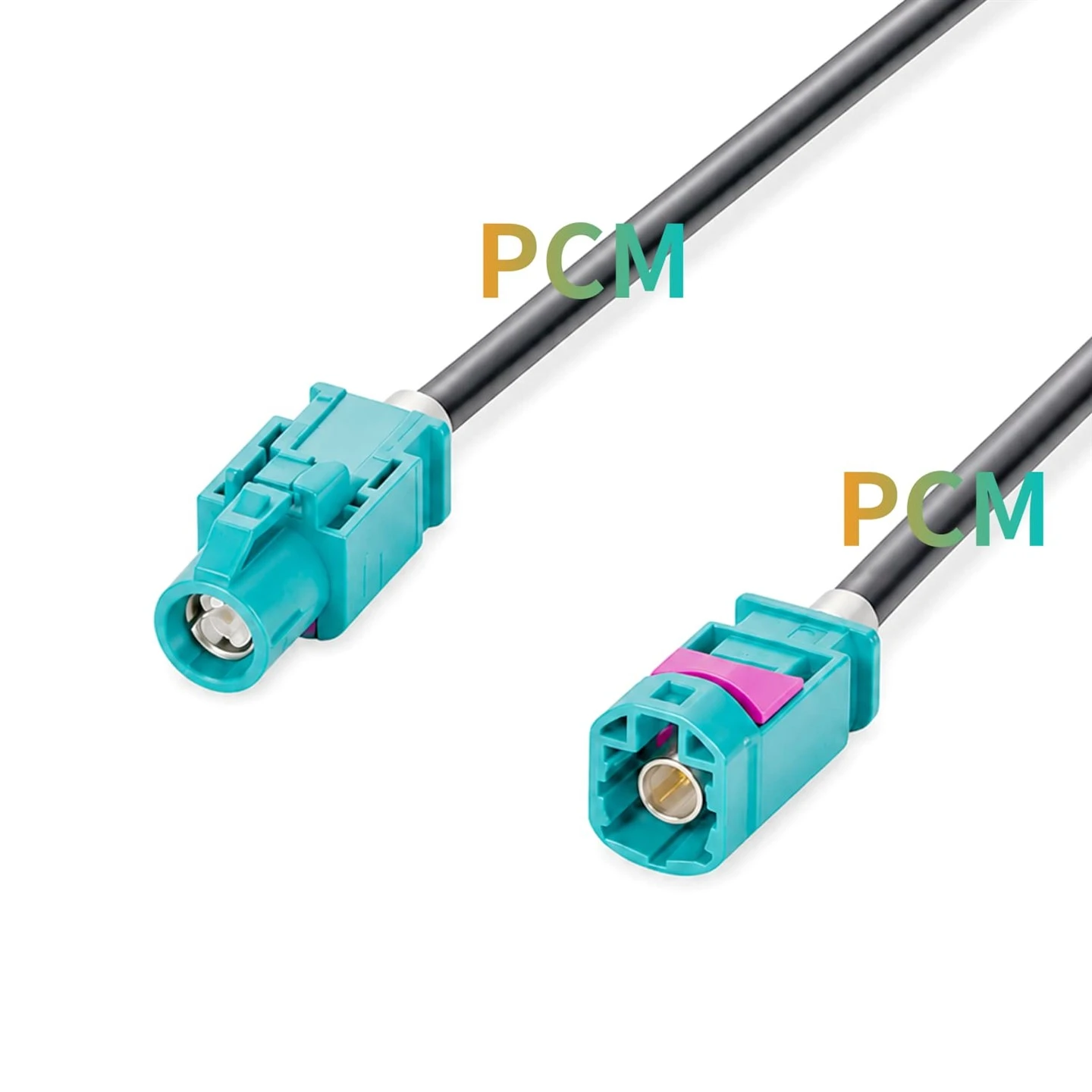
Rosenberger LD5-102-xxxx-y-y Cable
The LD5-102-XXXX-Y-Y is a Rosenberger HSD 4-pole automotive cable assembly featuring a DACAR 535 cable, a
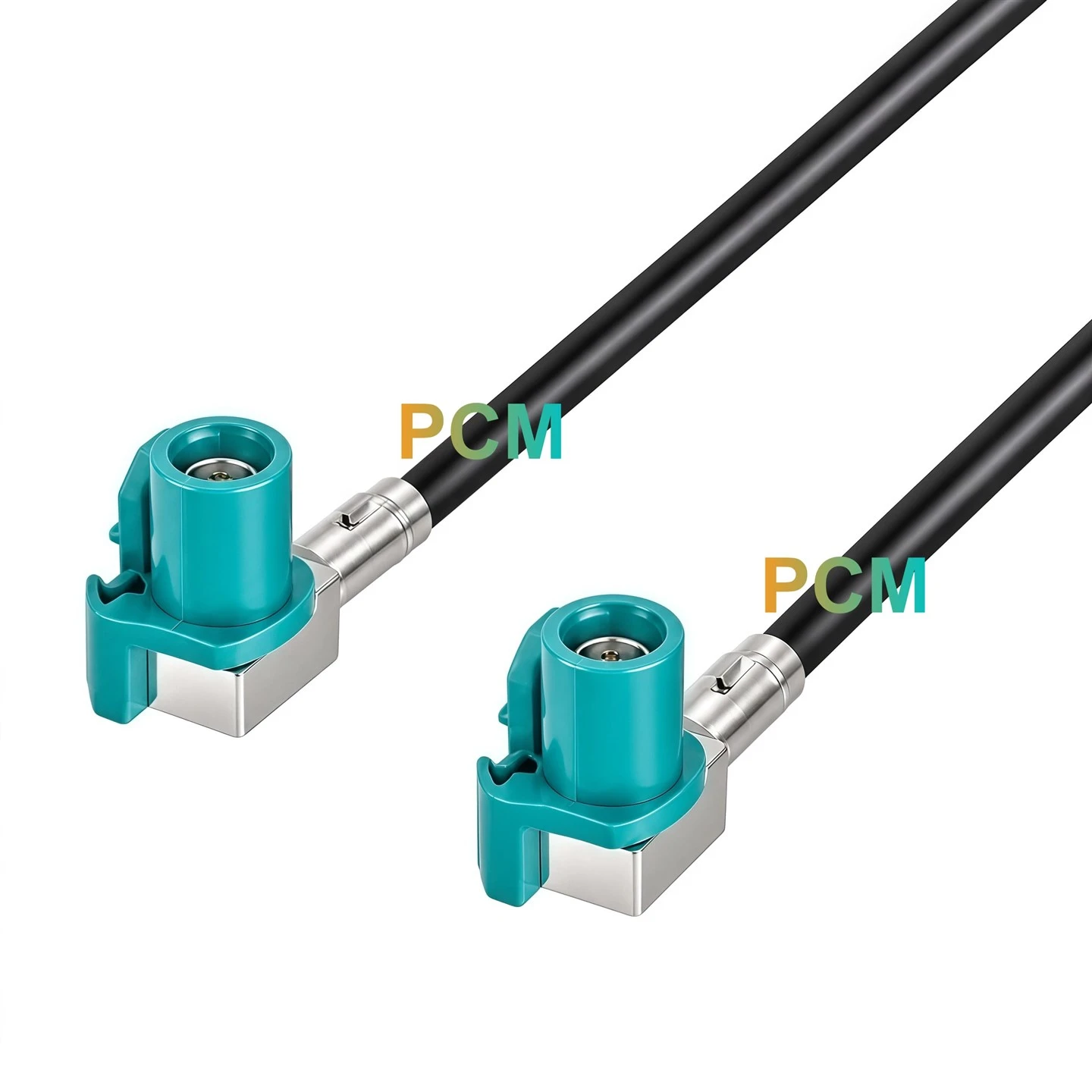
Rosenberger LD5-217-xxxx-y-y Cable
Rosenberger LD5-217 HSD cable assembly with dual right angle connectors and DACAR 535 4 pole cable for automotive
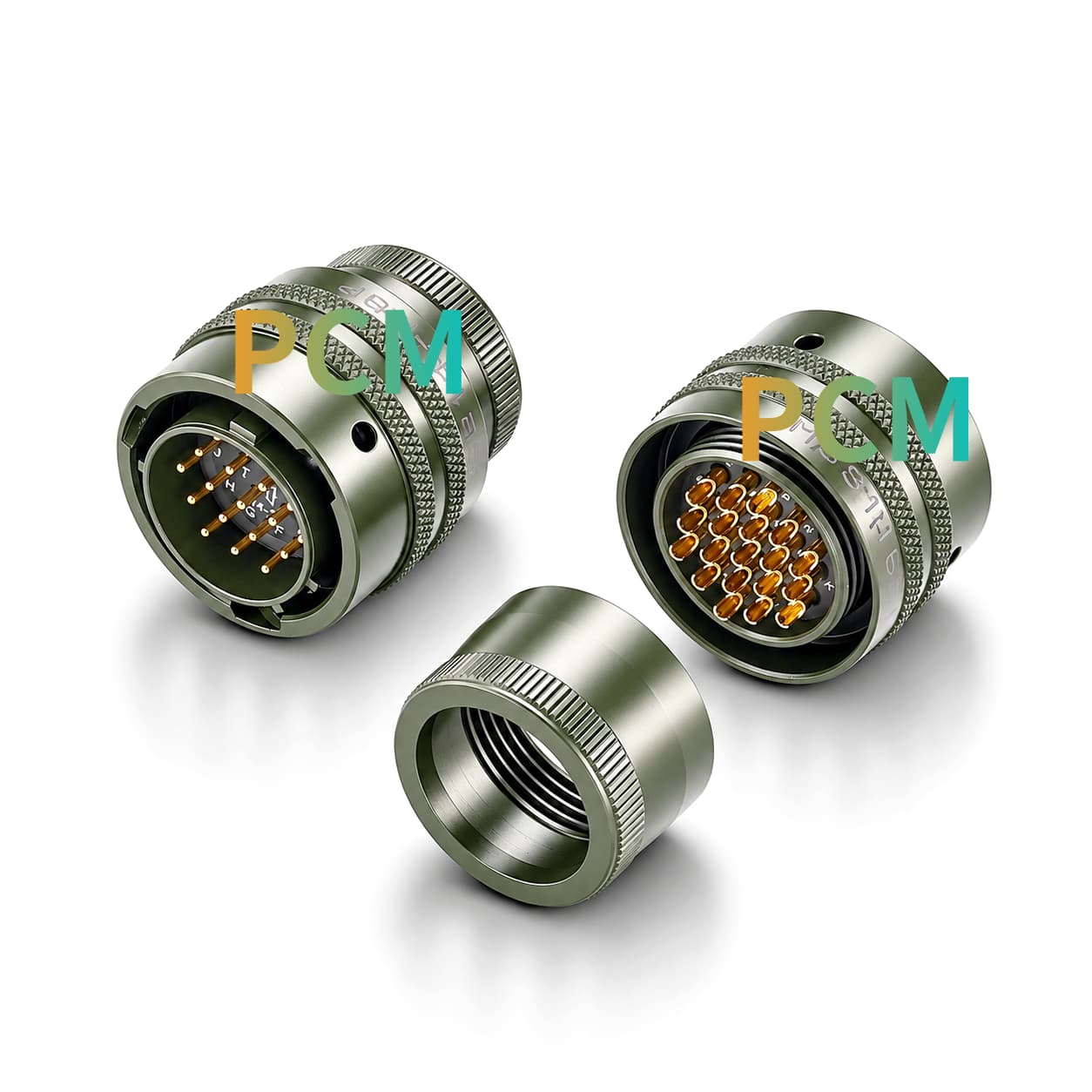
MS3116E14-19P Connector
The MS3116E14-19P is a 19-position MIL-DTL-26482 Series I circular electrical connector featuring a straight cable plug
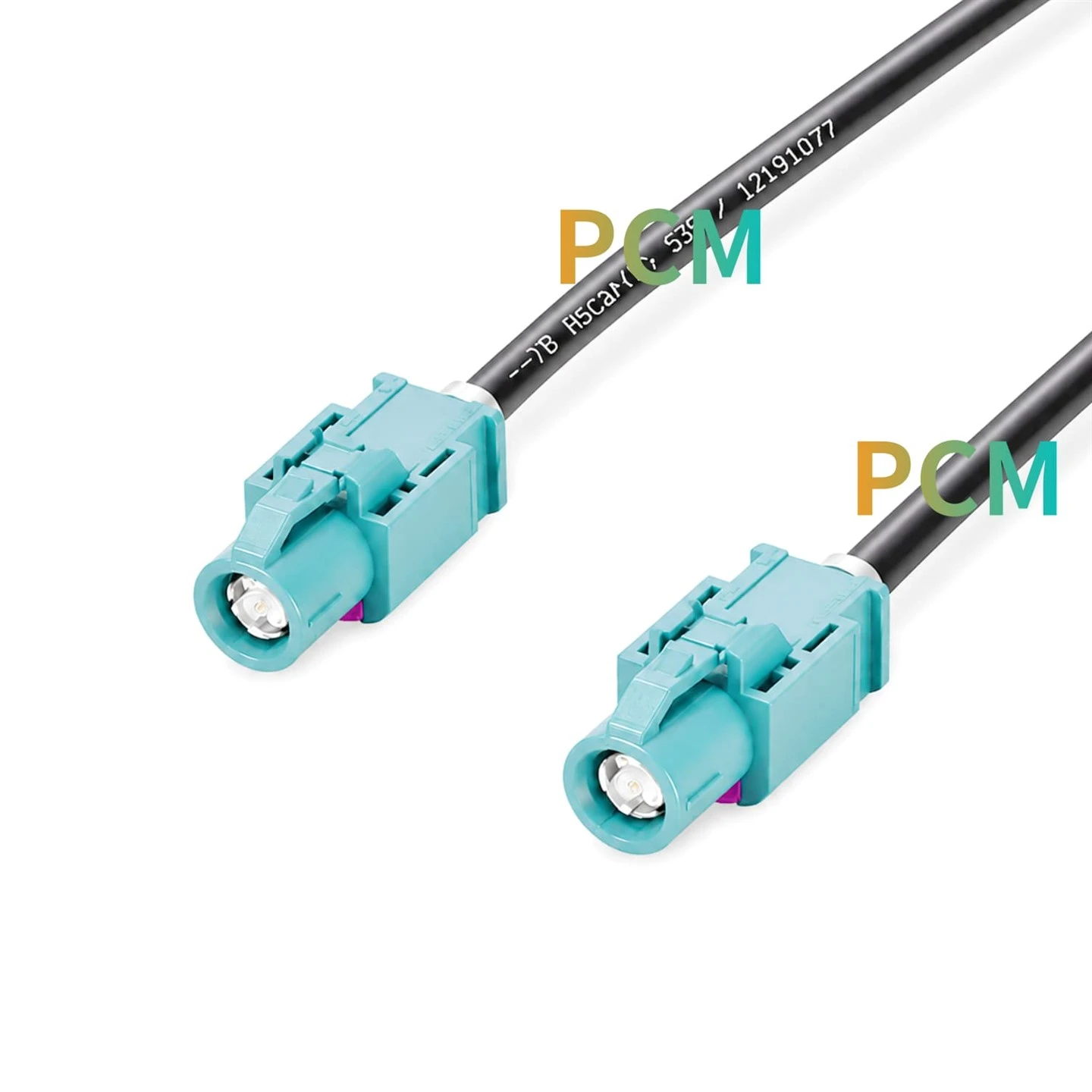
Rosenberger LD5-101-xxxx-y-y Cable
The LD5-101-XXXX-Y-Y is a Rosenberger HSD automotive high-speed data cable assembly featuring D4K10A-1D5A5-Z straight
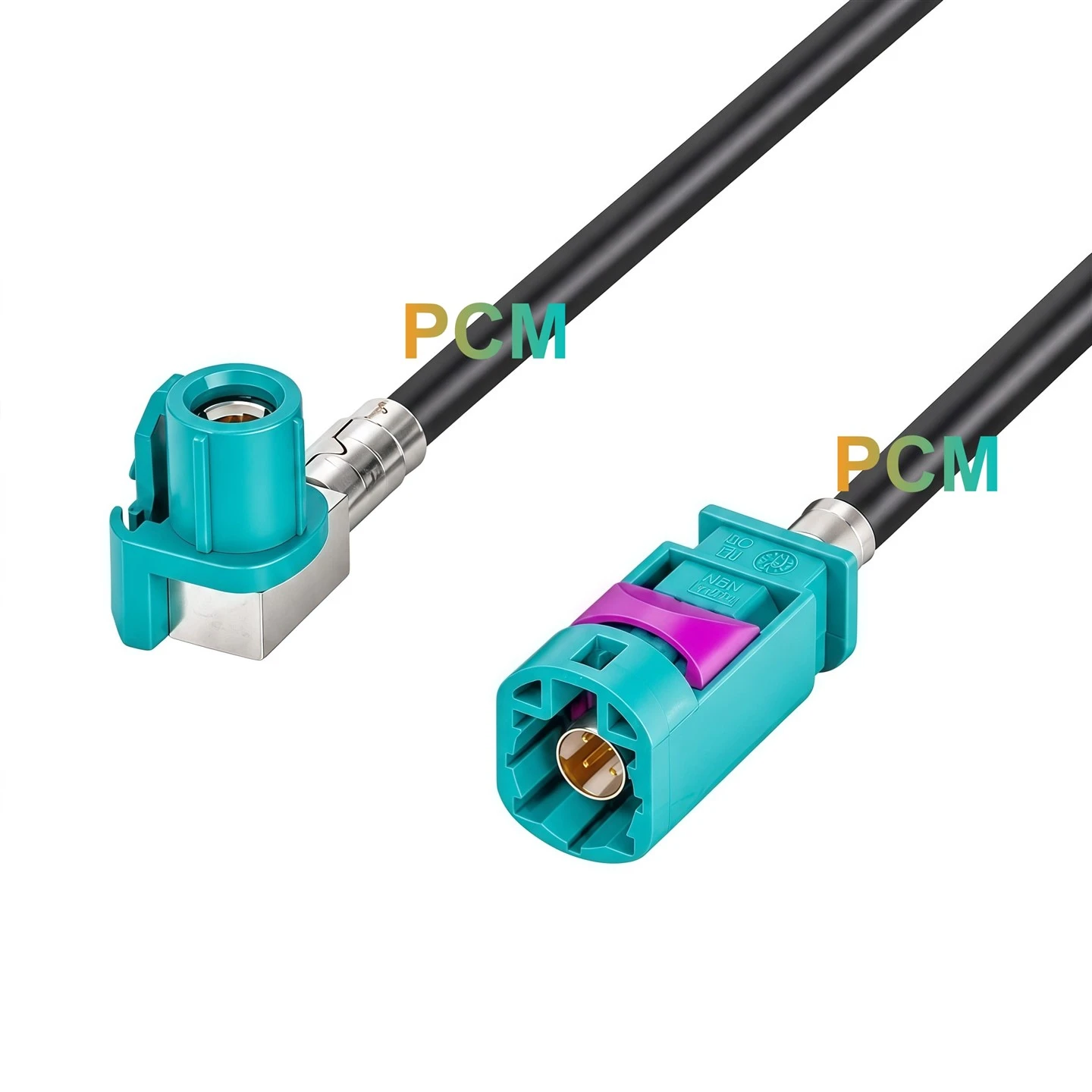
Rosenberger LD5-216-xxxx-y-y Cable
Rosenberger LD5-216 HSD cable assembly with left exit right angle jack, straight plug and DACAR 535 4 pole cable.