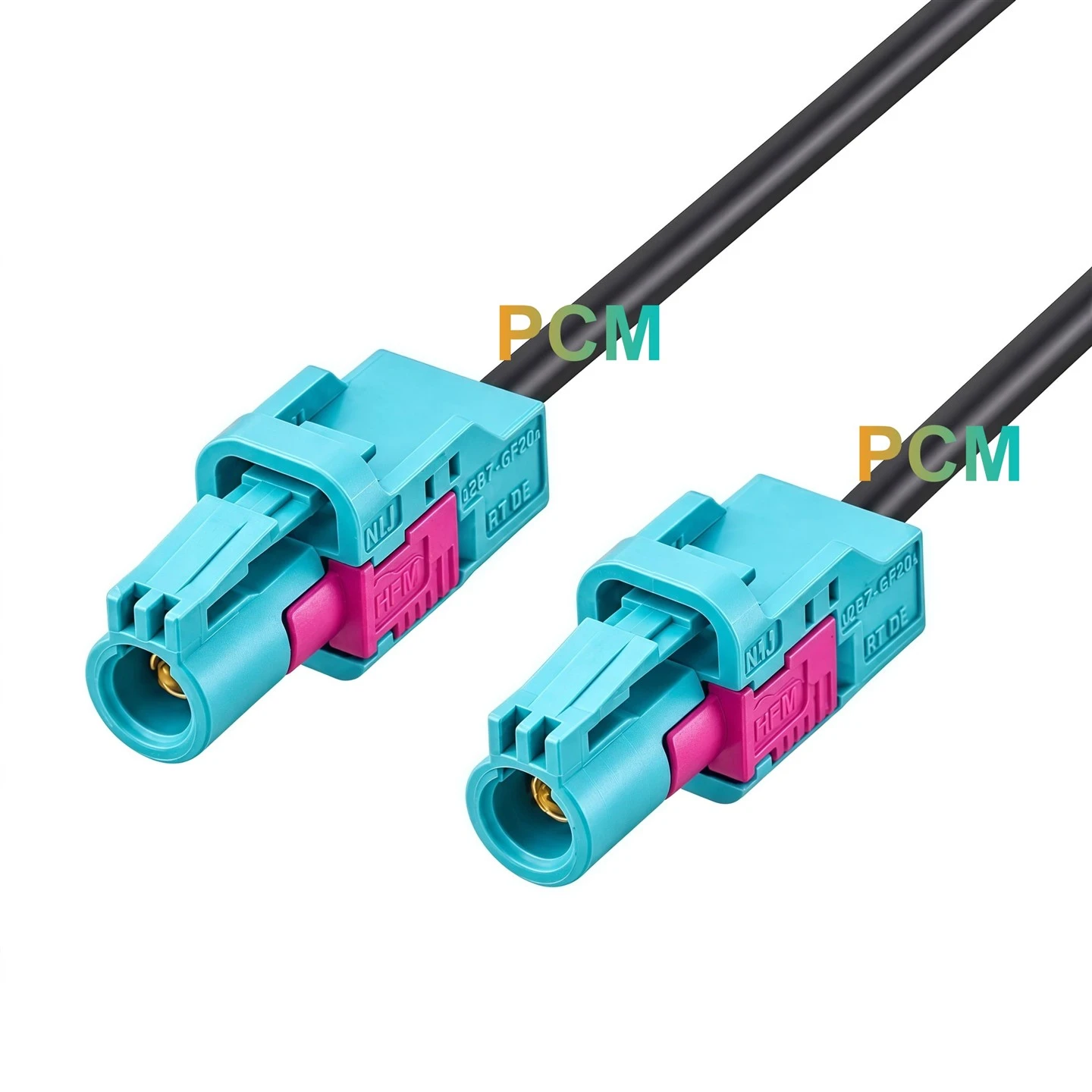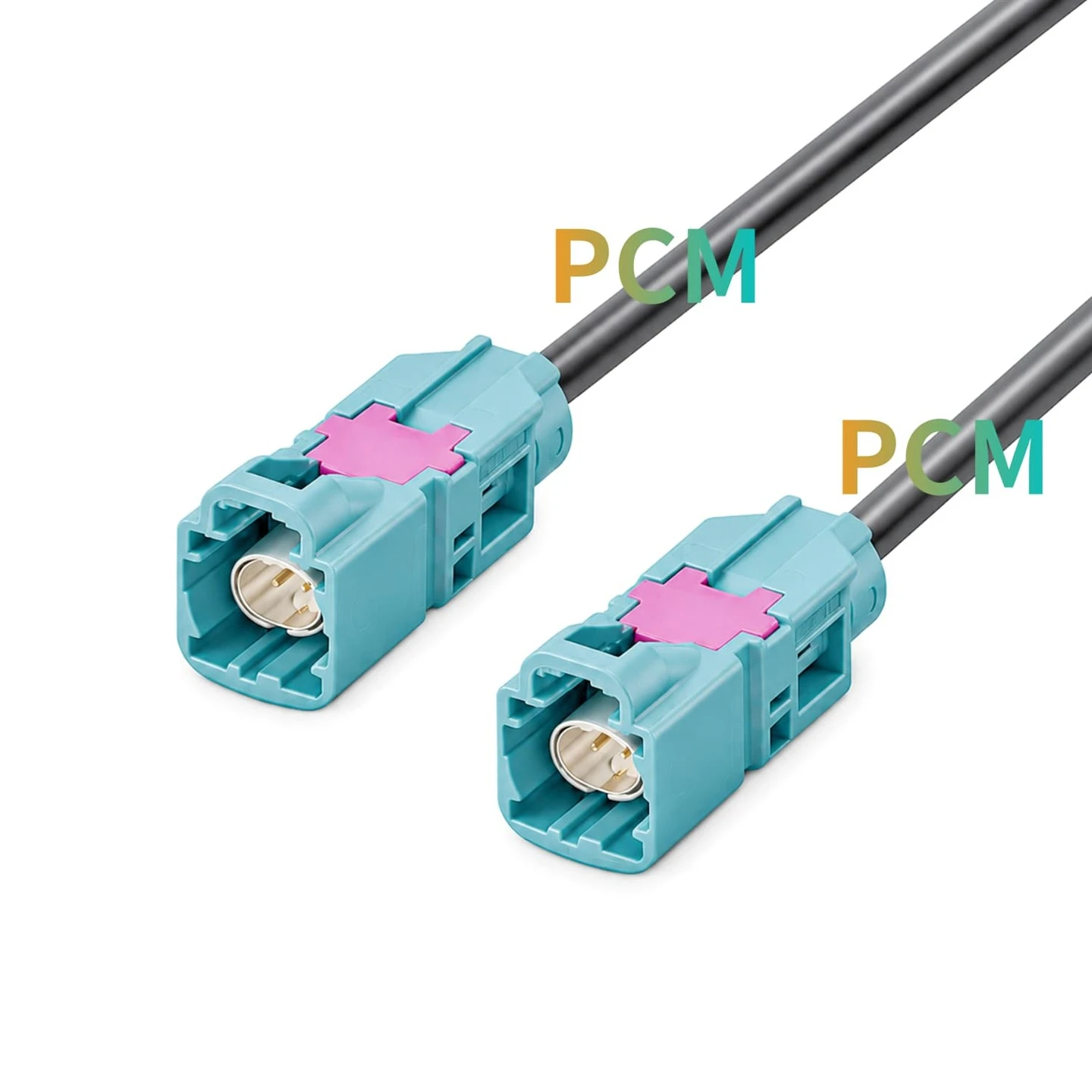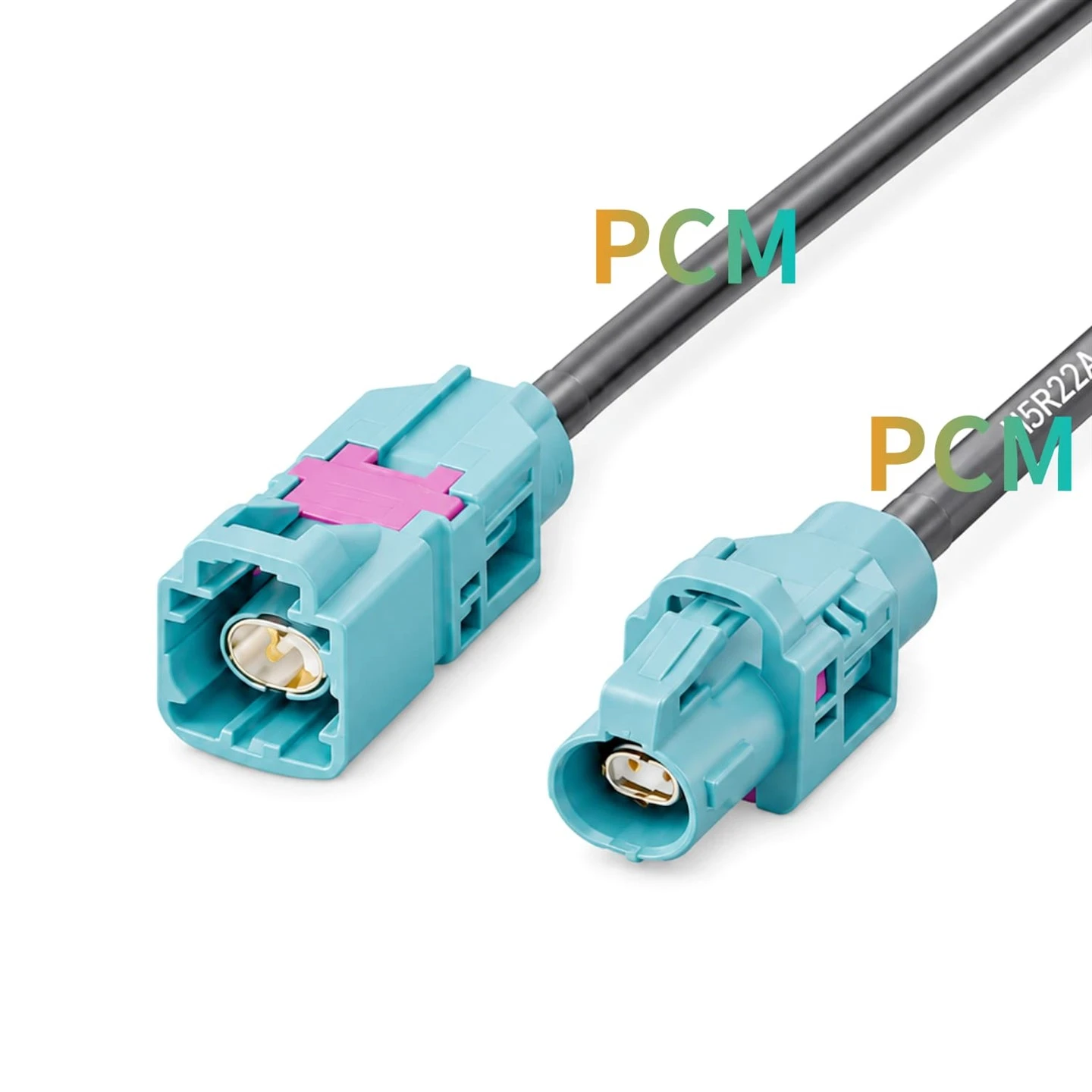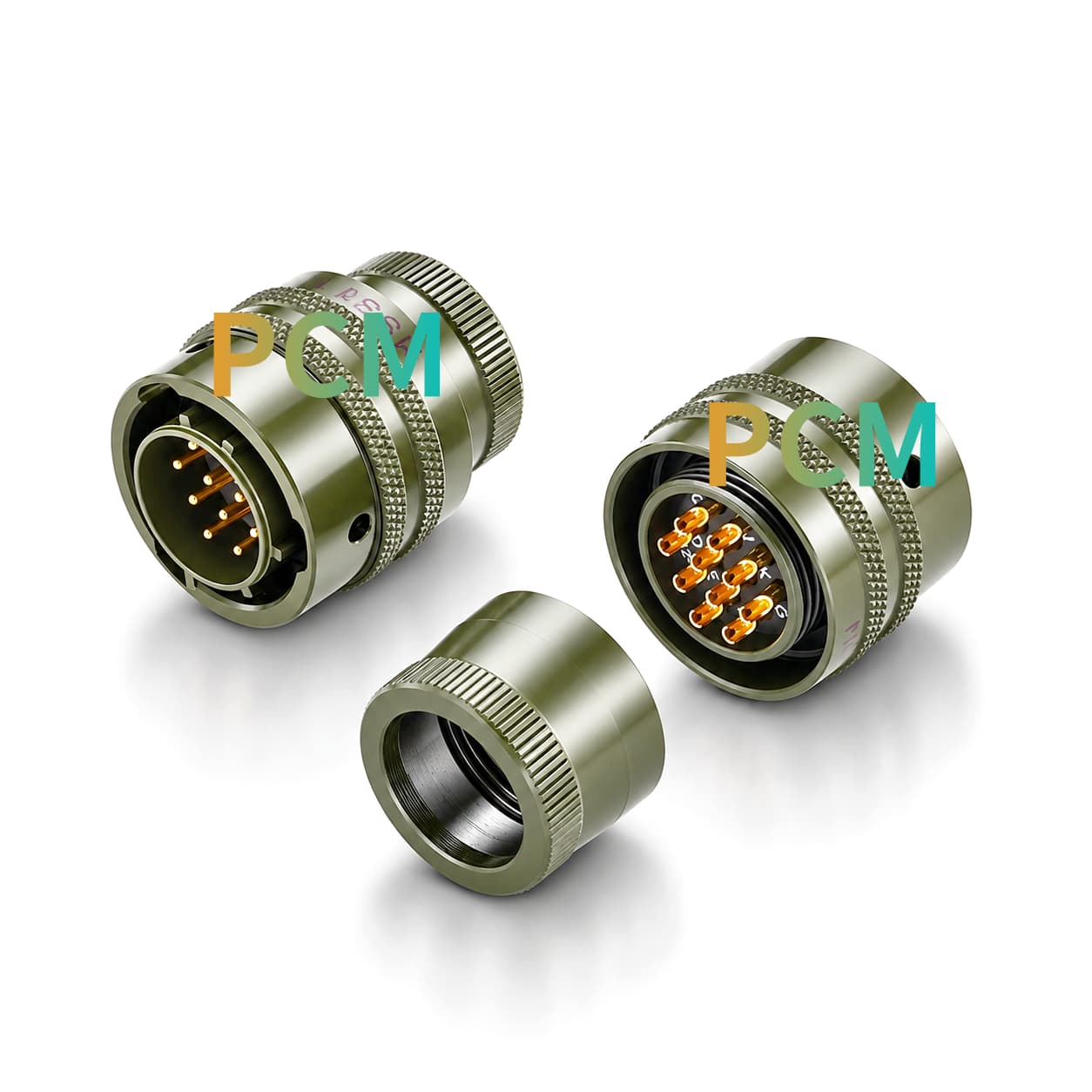
1. H-type connector
Appearance characteristics: H-type connectors usually present an "H"-shaped structure with two horizontal parts and one vertical part.
Application scenarios: Commonly used in situations where two cables or pipes in different directions need to be connected at the same time. Suitable for some complex wiring or piping systems.
Advantages: It can integrate lines in three directions, reducing the number of connection points, thereby reducing the risk of failure.
Disadvantages: The structure is relatively complex and occupies a large space.


2. L-type connector
Appearance characteristics: L-type connector presents a right-angle shape, similar to the letter "L".
Application scenarios: Mainly used in situations where two cables or pipes in different directions need to be connected together, especially in places with limited space or where turns are required.
Advantages: Simple design, easy installation, and space saving.
Disadvantages: The bend at the connection point may increase the stress of the cable or pipe, affecting the reliability of long-term use.
3. T-type connector
Appearance characteristics: T-type connectors have a main straight path, and a branch perpendicular to the main line is divided in the middle, similar to the letter "T".
Application scenarios: Often used in situations where a new line is branched from the main line, such as when a branch line needs to be led out from the main cable.
Advantages: Branches can be easily added to existing lines or pipeline systems without affecting the operation of the main line.
Disadvantages: Additional protection measures may be required to ensure the connection stability of the branch point.


4.Y-type connector
Appearance features: The Y-type connector presents a "Y" shape, usually with one input end and two branch output ends, and its shape is similar to the letter "Y".
Application scenarios: It is often used in situations where a line needs to be divided into two branches, such as branching out in two directions in signal transmission or power distribution.
Advantages: It can effectively distribute signals or power while maintaining the continuity of the line, and is suitable for diverting from a single path to multiple directions.
Disadvantages: Due to the branch design, there may be a risk of signal attenuation or uneven distribution, and additional design considerations are required to maintain the stability of the signal or power.
Summary:
H type is suitable for complex systems that require multi-directional connections.
L type is suitable for corner connections, especially in small spaces.
T type is suitable for branches from the main line.
Y-connectors are suitable for splitting two branches from a single path.