There are many types of connectors used in automotive networks, depending on the vehicle's electrical system, network communication protocols, and functional requirements. Here are some common types of automotive network connectors:
1. OBDII (On-Board Diagnostic Connector)
Used to diagnose vehicle electronic systems, commonly used in vehicle fault diagnosis and repair.
Standard 16-pin interface, commonly used to connect automotive scan tools and ECUs (Electronic Control Units).
2. Molex Micro-Fit
Used for low-power signal transmission in automobiles, suitable for connecting sensors, control modules, etc. in automotive electronic systems.
Provides high reliability and durability, suitable for automotive interior applications.


3. Deutsch DT Series
Waterproof and dustproof connectors, widely used in electrical connections for automobiles and heavy machinery.
Commonly found in engine compartments, chassis, and battery packs, they withstand high temperatures, vibrations, and harsh environments.
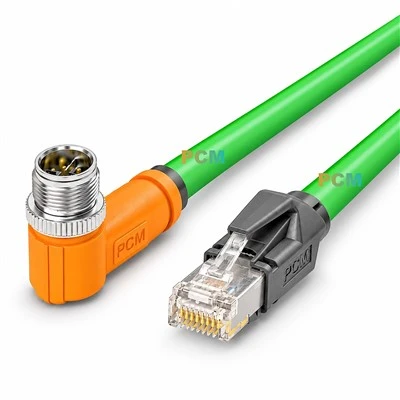
4. M12 connectors
Used for industrial Ethernet communications in the automotive industry, such as in-vehicle autonomous driving systems, in-vehicle cameras, sensors, etc.
M12 connectors have a high level of protection and are suitable for high vibration environments.
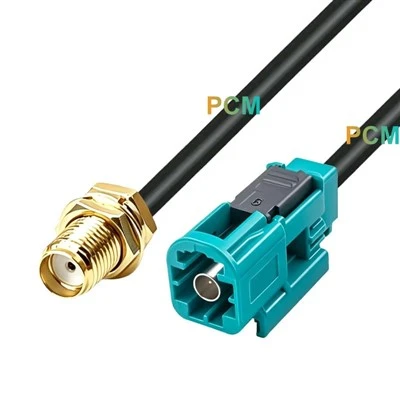
5. Fakra connectors
Commonly used in automotive wireless communications and infotainment systems, such as in-vehicle GPS, satellite radio, Bluetooth, and Wi-Fi systems.
With anti-vibration and waterproof characteristics, it is widely used in in-vehicle wireless communication devices.


6. Automotive Ethernet connectors
Used in in-vehicle Ethernet communication networks, with transmission speeds of up to 1Gbps or higher, for high-bandwidth applications such as autonomous driving, in-vehicle entertainment systems, etc.
Common connectors include RJ45 and dedicated automotive Ethernet connectors (such as RJ45 and M12).
7. Special connectors such as BMW/Mercedes-Benz
Some automakers use customized connectors and terminals, which are usually used for multi-function electrical connections inside the vehicle, such as multimedia systems, battery management systems (BMS), charging interfaces, etc.
8. ISO 9141 / ISO 14230 connectors
Commonly used in diagnostic ports of older models to support communication between vehicles and diagnostic tools.
9. Automotive Power Connectors
Used in high-power systems in automobiles, such as power batteries, charging systems, air conditioning, and electric drive systems.
Common high-power connectors include AMP Superseal, HDSCS, LVDS (low voltage differential signal) connectors, etc.
10. J1939 connector
Mainly used for control and diagnostic networks of commercial vehicles (such as trucks, buses, tractors, etc.), based on the CAN (control area network) protocol, supporting communication between vehicles and other systems.
11. LVDS connector
Used to transmit low voltage differential signals, widely used in high-speed data transmission applications such as vehicle displays and camera modules.
Different types of connectors provide different functions according to application requirements and environmental conditions. When choosing, factors such as signal transmission requirements, anti-interference ability, operating temperature range, sealing, and reliability need to be considered.