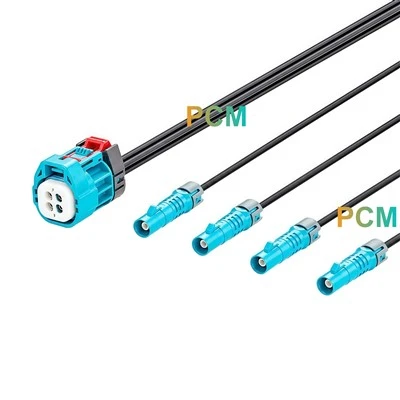
Key Differences Between the Four Models
| Part Number | Power Wire | Sealing | Main Feature |
| NTHCF0B6A10S | 22AWG | Sealed | 22AWG power cable, sealed type |
| NTHCF0B6A11S | 20AWG | Sealed | 20AWG power cable, sealed type |
| NTHCF0B6A10U | 22AWG | Unsealed | 22AWG power cable, non-sealed type |
| NTHCF0B6A11U | 20AWG | Unsealed | 20AWG power cable, non-sealed type |
◆ What is the difference between 22AWG and 20AWG power terminals ?
The primary difference is the conductor cross-sectional area and the corresponding terminal termination requirements.
- 22AWG configuration: Suitable for harness designs using smaller-gauge power conductors, supporting compact wiring arrangements.
- 20AWG configuration: Designed for applications using larger-gauge power conductors, providing another option for power circuit integration.
A 20AWG conductor has a larger nominal cross-sectional area than a 22AWG conductor. Therefore, the two configurations should not be treated as interchangeable based solely on connector appearance.
◆ What is the difference between Sealed and Unsealed ?
- S = Sealed: A sealed configuration intended for applications requiring environmental protection at the connector interface.
- U = Unsealed: An unsealed configuration intended for applications where the connector interface does not require an independent sealing function or where environmental protection is provided by the surrounding equipment design.
The primary distinction between sealed and unsealed versions concerns environmental protection rather than basic mating dimensions.
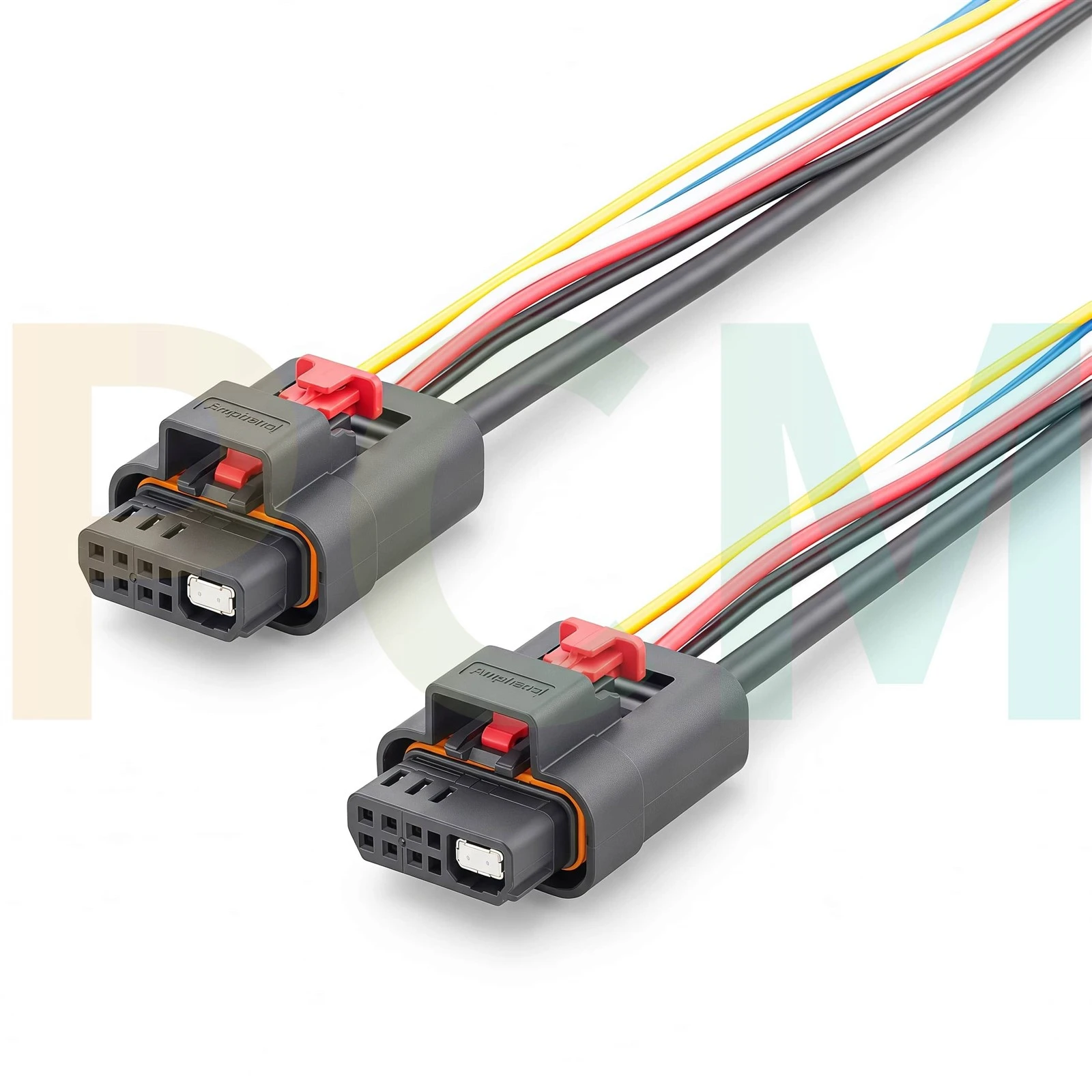
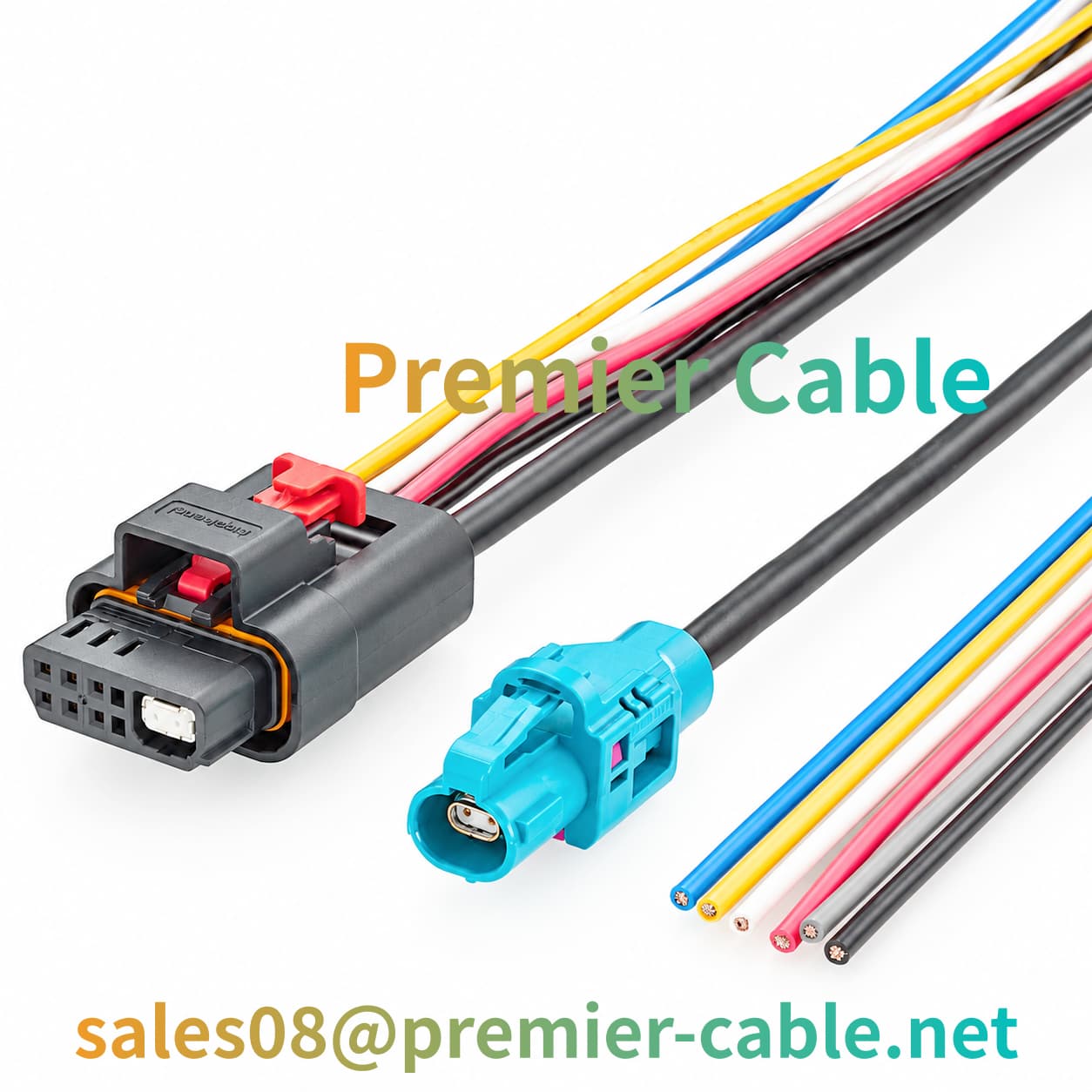
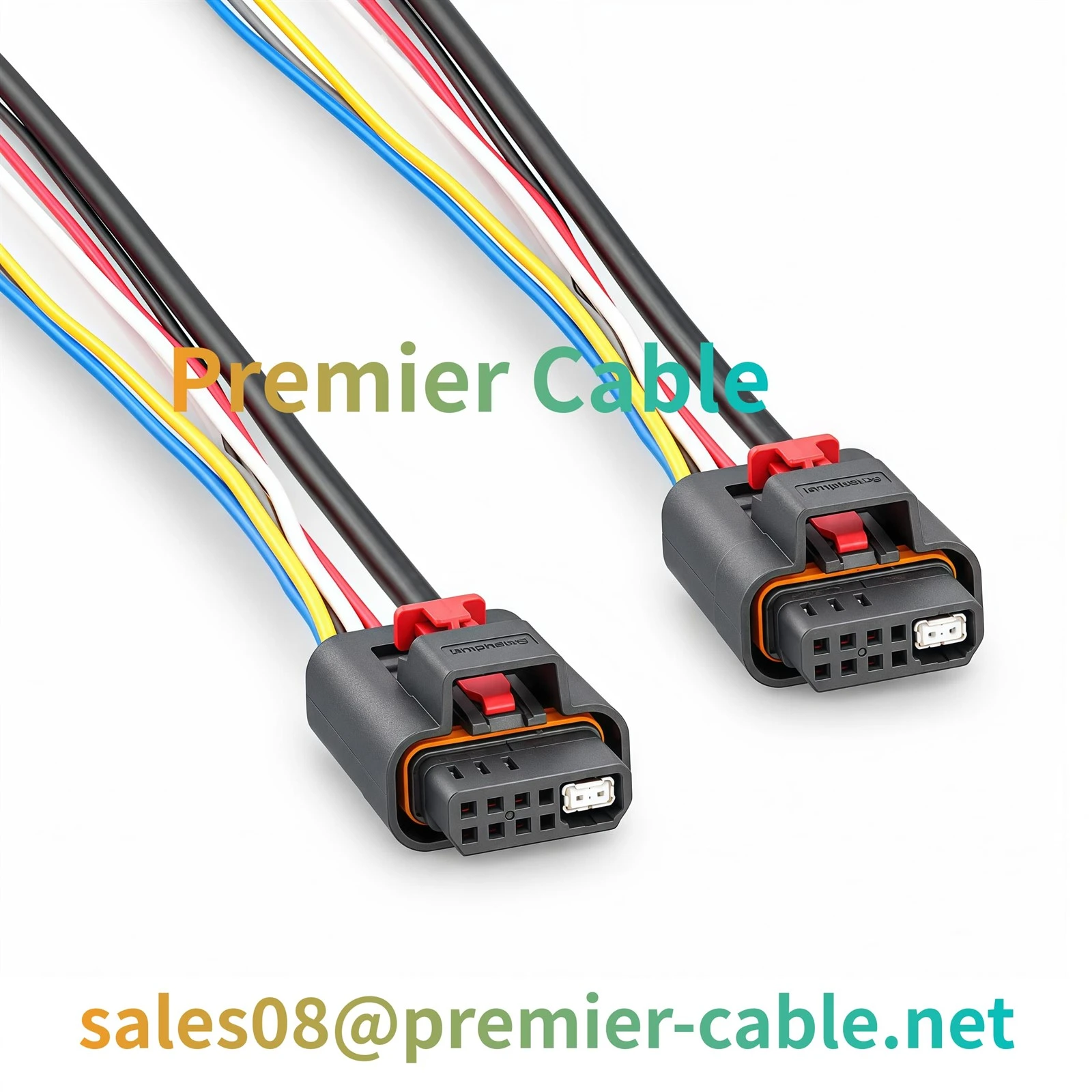
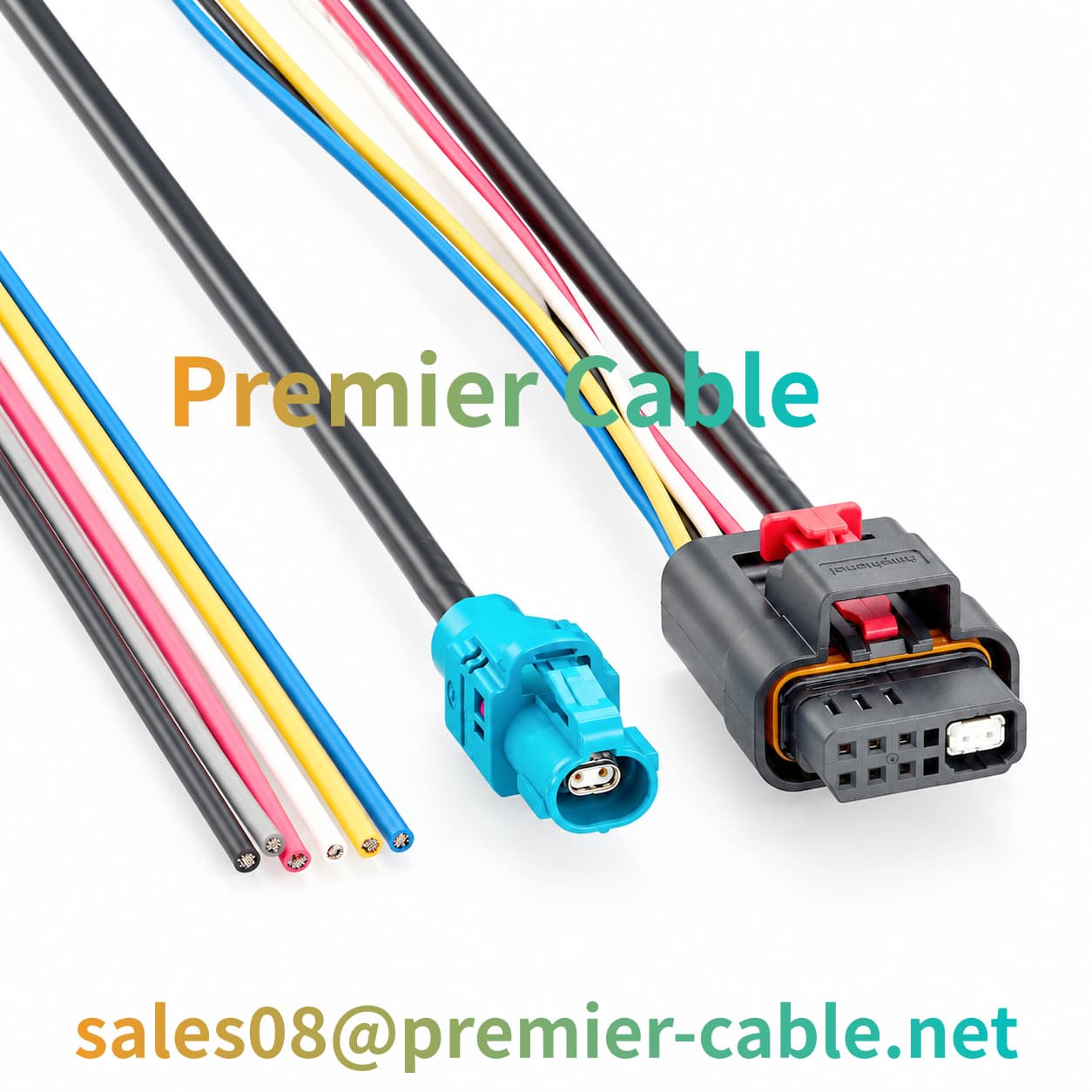
Product Display
|
|
|
|
|
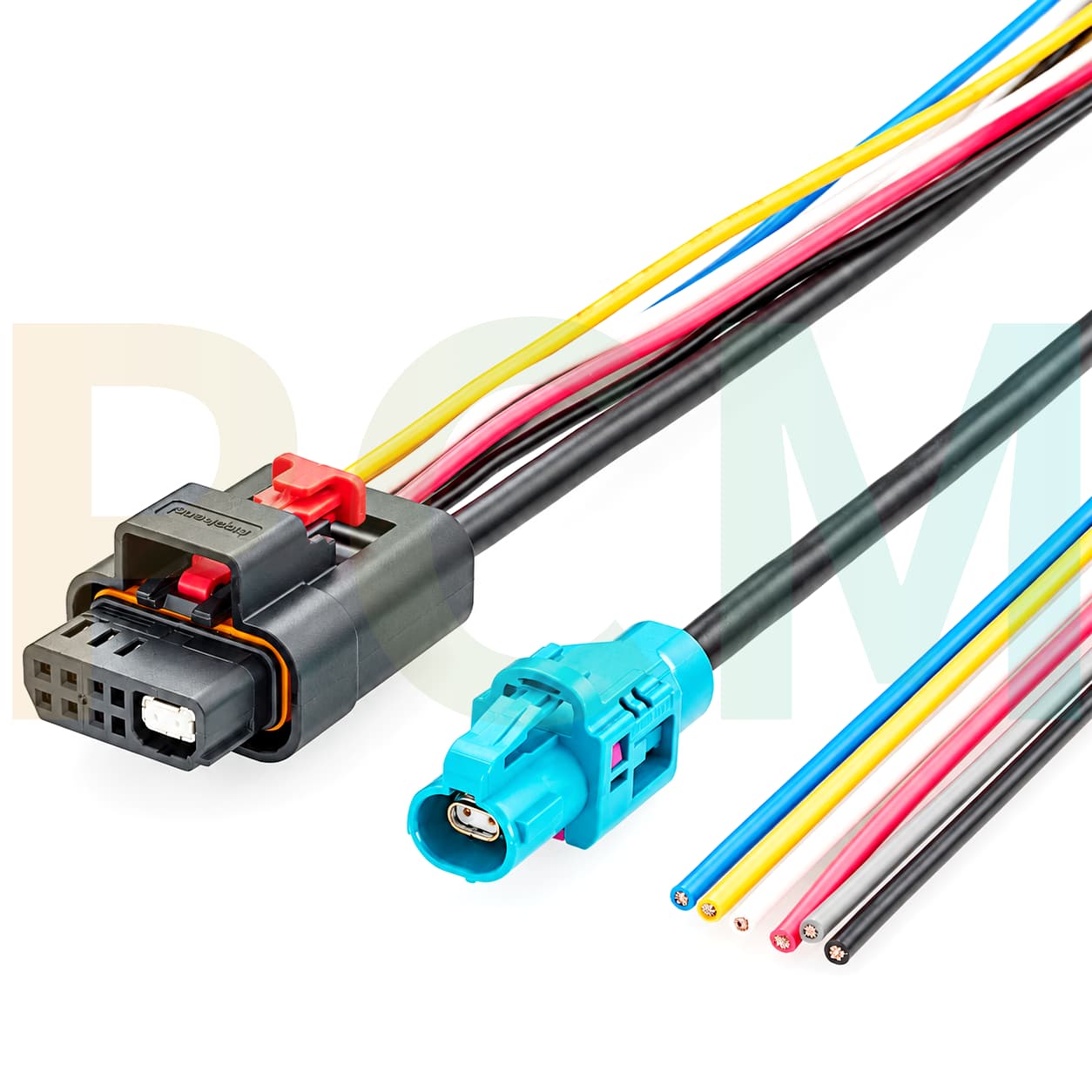
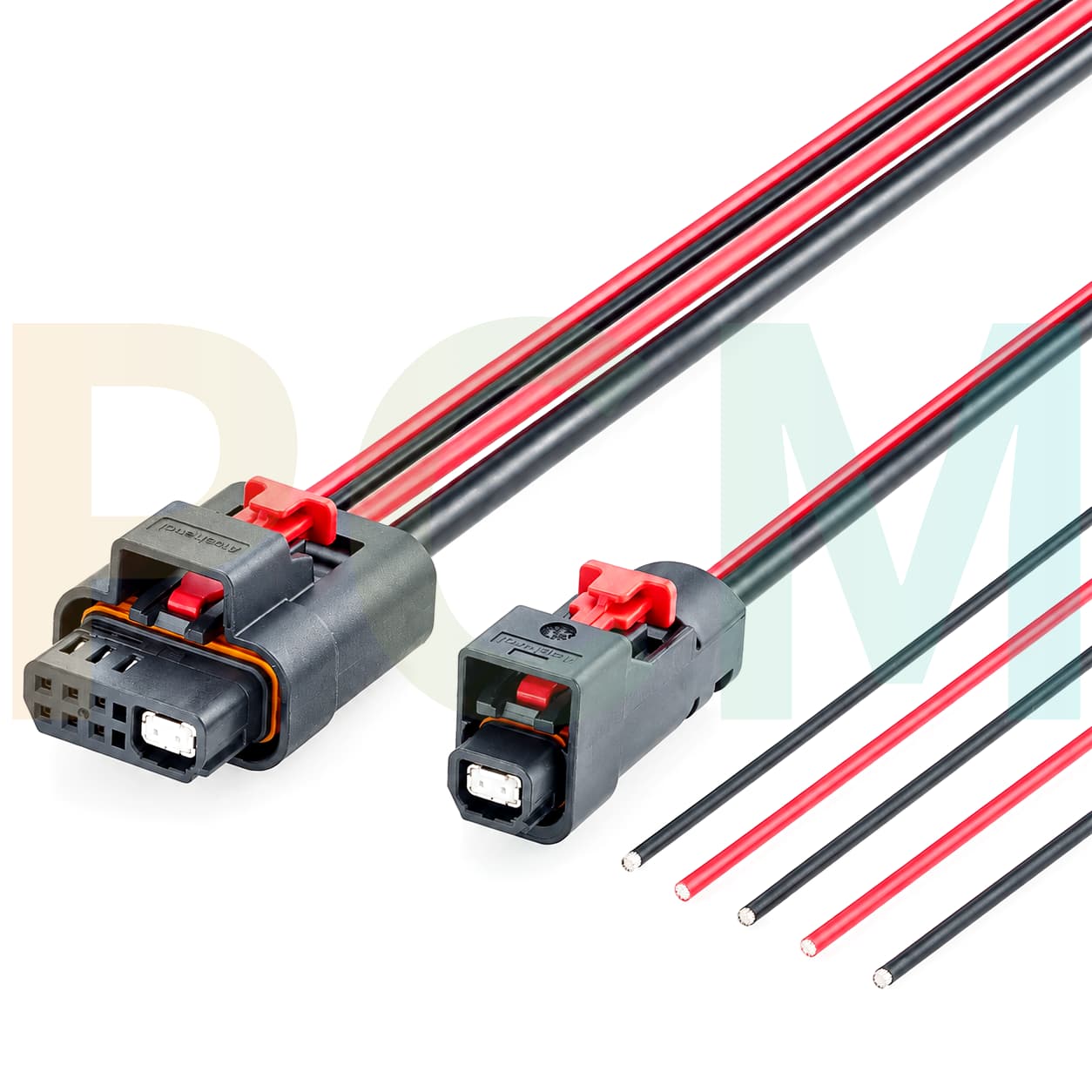
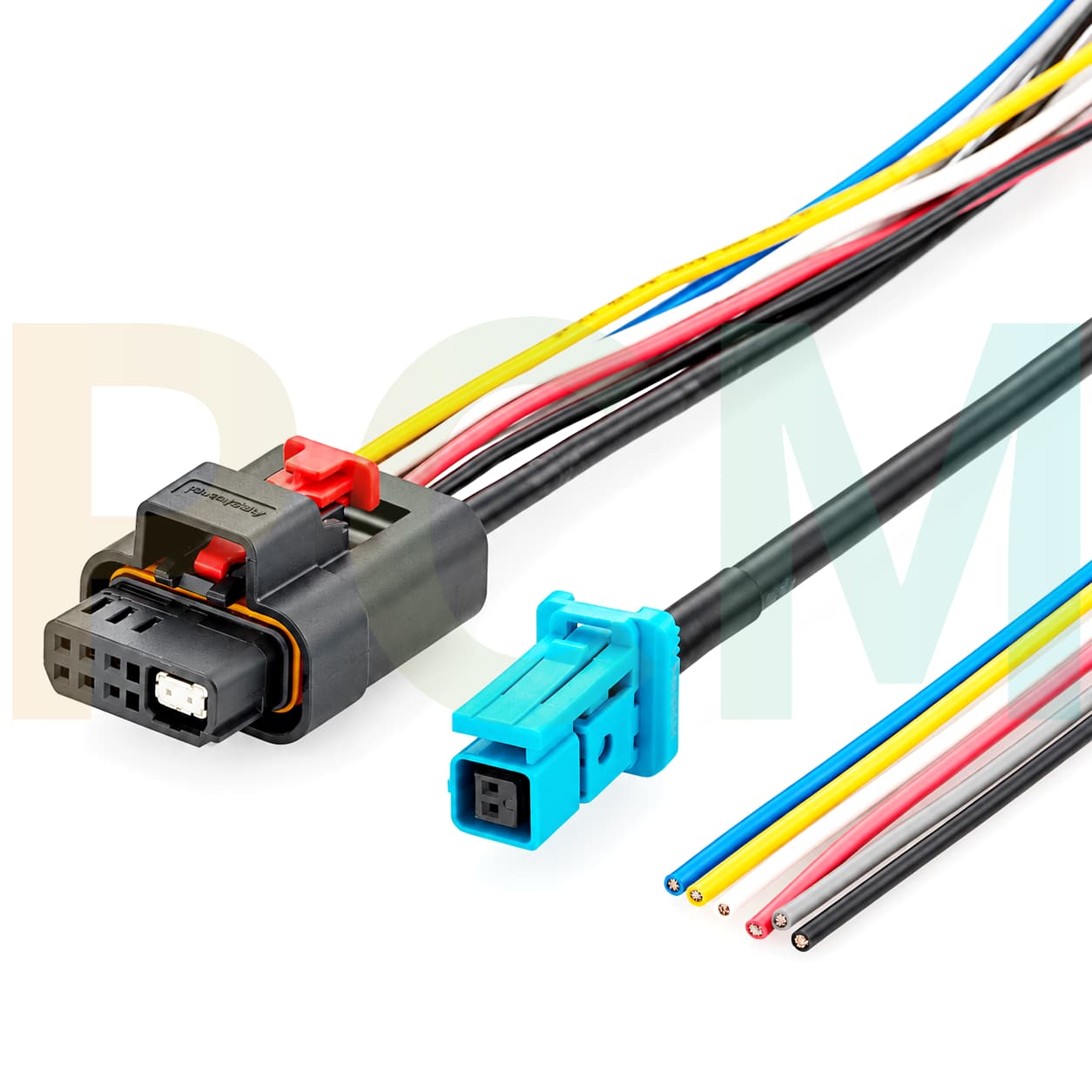
What Are A, B, D, and Z Coding Options ?
A Code – Black
It is used to identify the A coding interface, facilitating the distinction between different connection channels.
B Code – White
Interfaces are distinguished through different mechanical codes and colors.
D Code – Brown
Suitable for system designs that require distinguishing between different connector codes.
Z Code – Water Blue
Use independent keys and color coding for interface identification.
Why is different coding needed ?
Automotive electronic systems often contain multiple sensors, controllers, and communication interfaces using connectors from the same product family. Relying solely on the external shape may increase the risk of incorrect mating.
A, B, D, and Z coding options provide mechanical keying and visual identification to distinguish different connector interfaces.
Their main benefits include:
- Reducing the risk of mismating between different interfaces.
- Helping harness assembly technicians identify connector configurations.
- Improving interface management in multi-sensor systems.
- Providing greater flexibility for different equipment and harness configurations.
How Is Hybrid NETBridge+ Used in Automotive LiDAR Systems ?
With the development of ADAS and autonomous driving, automotive LiDAR uses laser signals to capture surrounding distance and spatial information. It requires reliable connections to ECUs, domain controllers, and central computing platforms.
The Hybrid NETBridge+ connector provides four key functions:
- Power Supply Connection
Dedicated terminals supply power to the LiDAR module.
- High-Speed Data Communication
Provides a data transmission channel between LiDAR sensors and vehicle electronics.
- Integrated Interface
Combines power and data connections to simplify wiring layouts.
- Automotive Harness Integration
Connects LiDAR modules to vehicle control systems through compatible connectors and cable assemblies.
Technical Design Features
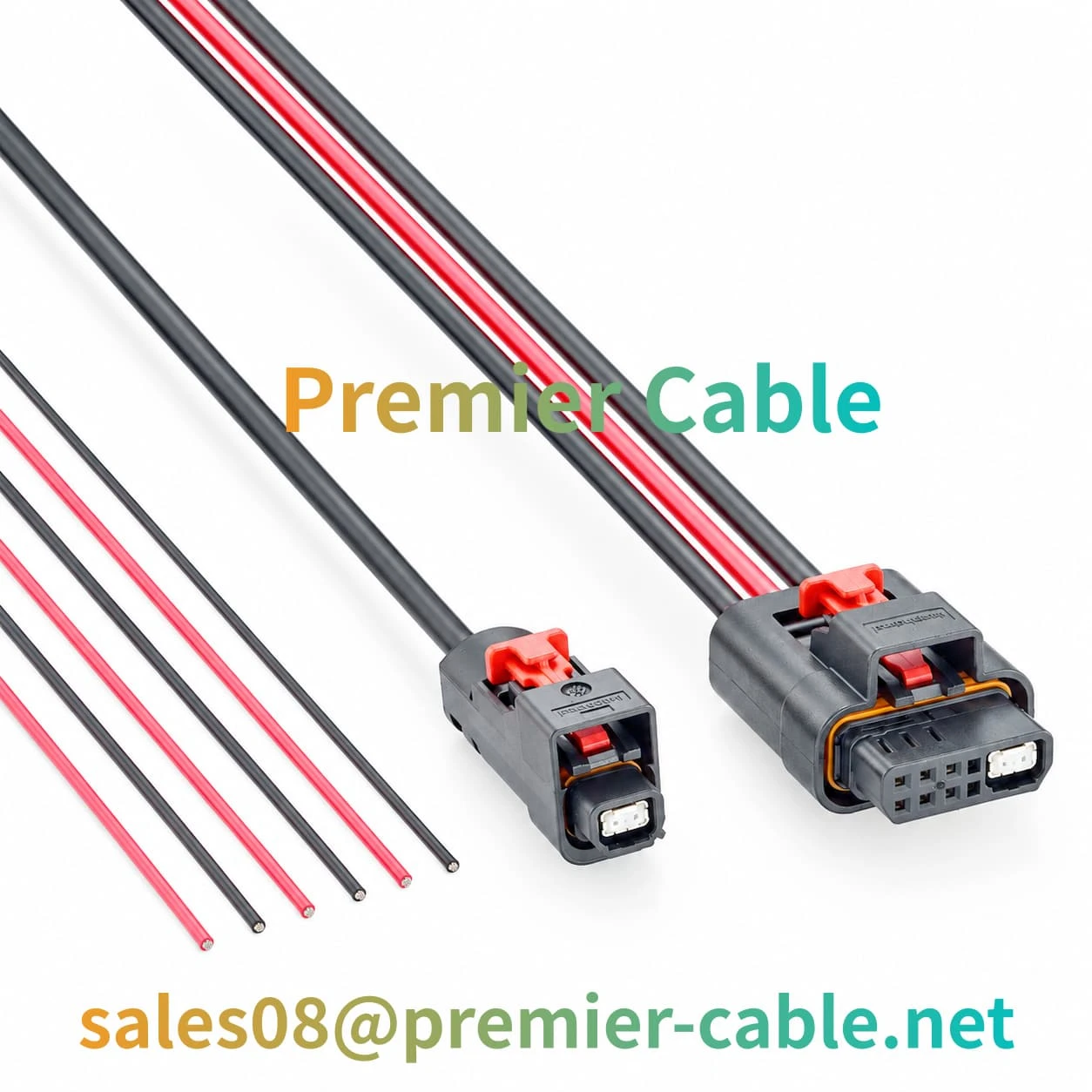
- Compact Hybrid Connectivity
Integrating power and high-speed data connections into one interface helps reduce external connection points and optimize wiring space around automotive sensors.
- Flexible Power Wire Compatibility
The 20AWG and 22AWG power terminal options allow engineers to select the appropriate connector according to their power circuit and wiring requirements.
- Multiple Sealing Configurations
Sealed and Unsealed configurations provide flexibility for different installation environments, equipment protection designs, and harness requirements.
- Mechanical Coding Protection
A, B, D, and Z coding options provide mechanical differentiation, helping improve assembly identification and reduce mismating risks.
How to Select the Right Model ?
The selection between different models should not rely solely on product appearance or part numbers, but rather require comprehensive verification based on the equipment's power cable gauge, installation environment, and interface coding.
| Requirement | Model |
| 22AWG + Sealed | NTHCF0B6A10S |
| 20AWG + Sealed | NTHCF0B6A11S |
| 22AWG + Unsealed | NTHCF0B6A10U |
| 20AWG + Unsealed | NTHCF0B6A11U |
Model selection should not rely solely on appearance or part number identification. Engineers should evaluate power wire requirements, environmental conditions, and interface coding.
Five important factors should be confirmed:
- Power Wire Gauge: Determine whether the application requires 20AWG or 22AWG power wires.
- Sealing Requirement: Evaluate whether the installation position requires a sealed connector configuration.
- Coding Configuration: Confirm whether the equipment-side interface uses A, B, D, or Z coding.
- Electrical Requirements: Verify operating current, voltage, temperature rise, voltage drop, and high-speed signal requirements.
- Mating Interface: Check the exact mating connector part number, mechanical dimensions, coupling structure, and locking requirements.
Typical Applications
◆ Automotive LiDAR Systems
Supports integrated power and high-speed data connectivity for automotive LiDAR modules and vehicle electronic systems.
◆ ADAS Perception Systems
Suitable for sensor connectivity in ADAS perception architectures.
◆ Automotive ECU and Domain Controllers
Supports integrated power and data interfaces between sensors, ECUs, and domain controllers.
◆ Automotive Camera Modules
Suitable for automotive camera and vision modules requiring integrated power and high-speed data connections.

What impact do 20AWG and 22AWG wires have on power supply design ?
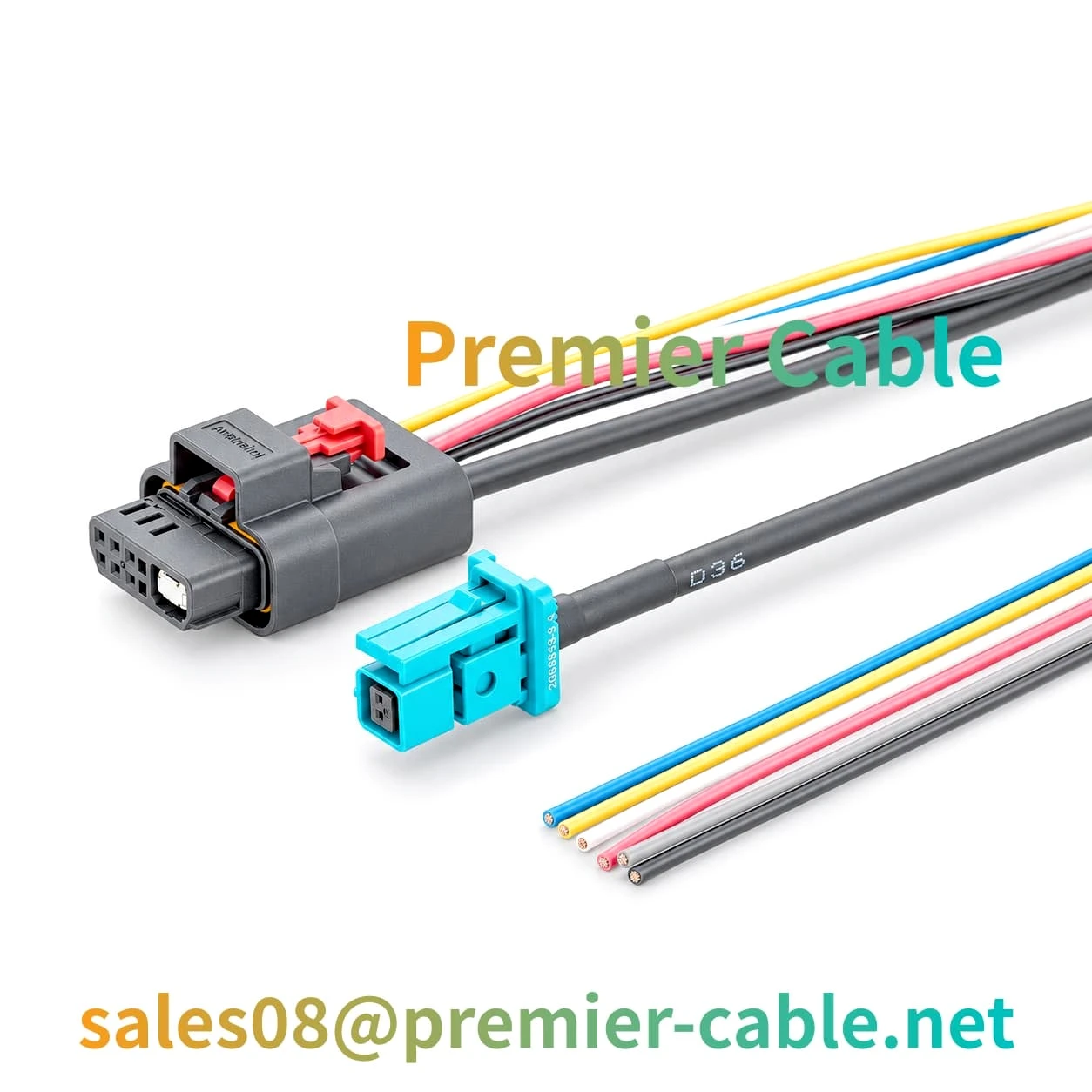
1. Conductor Cross-Sectional Area
20AWG has a nominal area of approximately 0.519mm², compared with 0.326mm² for 22AWG.
2. Resistance and Voltage Drop
Under the same material and length, 20AWG has lower resistance, helping reduce voltage drop and power loss.
3. Current-Carrying Capacity
20AWG generally offers greater current-carrying potential. Actual capacity depends on conductor material, insulation rating, ambient temperature, and heat dissipation.
4. Harness Space and Flexibility
22AWG reduces cable bulk and improves routing flexibility, while 20AWG provides a larger conductor cross-section for power circuits.
Wire selection should consider operating current, cable length, voltage drop, and installation conditions.
Why do automotive LiDARs require hybrid connectors ?
Automotive LiDAR integrates optical sensing, signal processing, and electronic control, typically incorporating laser emitters, receivers, and control circuits. It requires stable power and data transmission to ECUs, domain controllers, or central computing platforms.
Traditional solutions use separate power and data connectors, increasing interface numbers and complicating wiring and installation.
A Hybrid Connector combines power and high-speed data connections in one compact interface, helping reduce connection points, optimize wiring space, and simplify equipment layouts. It provides an integrated connectivity solution for automotive LiDAR and vehicle electronic systems.
Premier Cable Customization and Supply Services
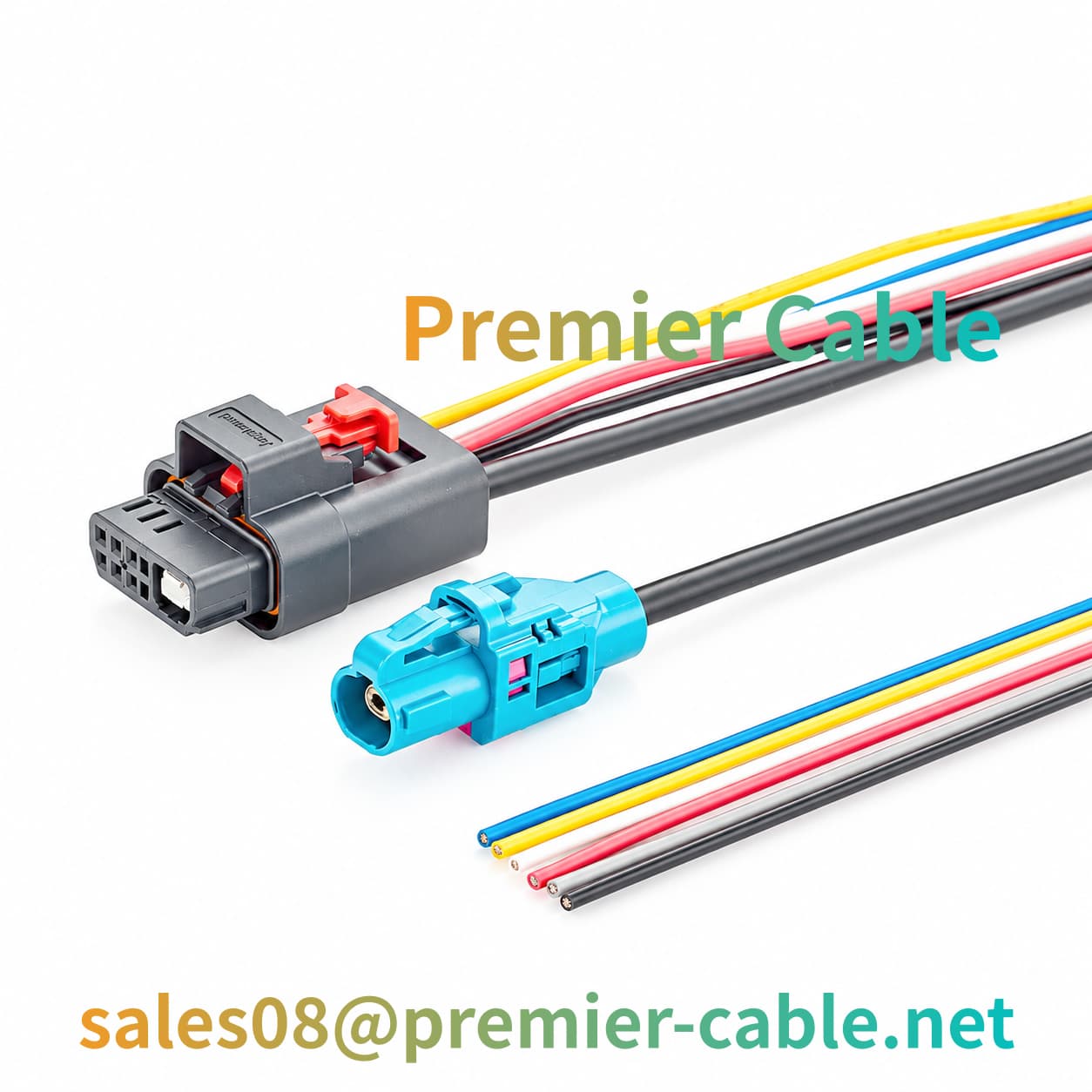
Premier Cable specializes in automotive high-speed data cables, hybrid connector harnesses, and industrial electronic connectivity solutions.
For the Amphenol NETBridge+ Hybrid Cable Female Connector family, we provide customized harness development and configuration support according to different automotive electronic interface requirements.
1. Connector Configuration Customization
We can evaluate different configurations, including NTHCF0B6A10S, NTHCF0B6A11S, NTHCF0B6A10U, and NTHCF0B6A11U, together with A, B, D, and Z coding requirements.
2. Power Wire Gauge Customization
Harness solutions can be developed around 20AWG or 22AWG power terminal requirements.
3. Cable Length Customization
Cable lengths can be developed according to equipment dimensions, routing paths, and actual installation distances.
4. OEM Harness Development
We support cable harness development and prototype production based on customer drawings, pin assignments, and technical specifications.
5. Quality Verification
Depending on project requirements, testing may include continuity testing, pin assignment verification, crimp quality inspection, and other applicable electrical and mechanical checks.
Product FAQ
Are NTHCF0B6A10S and NTHCF0B6A11S Interchangeable ?
Both models share the same main connector mating dimensions, but their power terminals are designed for 22AWG and 20AWG wires, respectively. Replacement requires verification of wire gauge, terminal crimping requirements, and electrical design compatibility.
What Is the Difference Between NTHCF0B6A10S and NTHCF0B6A10U ?
Both models support 22AWG power wires. The main difference is the sealing configuration: A10S is Sealed, while A10U is Unsealed.
Can A, B, D, and Z Coded Connectors Mate Directly with Each Other ?
No. Different coding options use different mechanical keying configurations. The connector code must match the equipment-side interface. Similar external dimensions do not establish mating compatibility.
Is 20AWG Always Better Than 22AWG for Automotive LiDAR Applications ?
Not necessarily. Although 20AWG has a larger conductor cross-sectional area, the final selection should consider operating current, cable length, voltage drop, temperature rise, and terminal compatibility. Wire size alone does not determine the best configuration.