

1, Signal integrity: underlying constraints from contact design to transmission bandwidth
The core function of the M8 connector is to ensure low attenuation and distortion of electrical signals during transmission. Taking TE Connectivity's M8 Hybrid solution as an example, it uses gold-plated contacts and a four layer shielding structure to control signal attenuation within 0.5dB/m at a data transmission rate of 1Gb/s. This design directly determines the transmission quality of high-frequency data (such as 1080P image streams output by visual sensors) in robot systems.
Contact material and contact resistance
Copper nickel plated contacts can maintain a contact resistance of less than 5m Ω within the temperature range of -40 ℃ to+105 ℃, ensuring the stability of 24V/4A current transmission. In the continuous rotation scenario of robot joints, the anti rotation thread profile technology launched by Hesman in 2025 improves the insertion and removal stability to the standard of 10000 cycles, avoiding signal interruption or retransmission caused by poor contact.
Pin configuration and bandwidth allocation
3/4/5/8 optional pin designs support differentiated bandwidth allocation. For example, in the KUKA KR CYBERTECH nanorobot, an 8-pin M8 connector is used for simultaneous transmission:
4-channel PWM signal (controlling servo motor)
2-channel RS-485 bus (connecting force sensors)
1 EtherCAT protocol (real-time data exchange)
1 power cord (24V/2A power supply)
This multi protocol coexistence design enables a single connector data throughput of 12Mbps, meeting the requirement of updating the position information of robot joints every millisecond.
Shielding layer and EMC performance
In the welding application of ABB IRB 1200 robot, the M8 connector with shielding layer can attenuate electromagnetic interference to 30dB, ensuring that the jitter error of the encoder feedback signal is less than 0.01 ° when the welding current fluctuates. This anti-interference ability directly supports the 1kHz data refresh frequency of the robot system in strong electromagnetic environments.
2, Electromagnetic compatibility: a key barrier from environmental noise to system stability
Robot systems often face complex electromagnetic environments in industrial sites, including 2-15kHz harmonics generated by frequency converters, transient overvoltage caused by welding machines, and induced electromotive force generated by multi axis synchronous motion. The electromagnetic compatibility design of M8 connectors has become a "hidden defense line" to ensure data refresh frequency.
Protection level and sealing process
The epoxy resin sealing structure with IP67/IP68 protection level can prevent metal dust (such as aluminum magnesium alloy processing scenarios) from entering the interior of the connector. In the polishing operation of the Fanuc M-20iA robot, this design reduces the signal interruption rate by 82%, ensuring that the force control system can continuously correct the polishing pressure at a frequency of 500Hz.
Material selection and environmental resistance
The M8 connector with PUR molded shell can maintain structural stability in the temperature range of -35 ℃ to+85 ℃. In the Siemens SIMATIC S7-1500 robot control system, this material characteristic stabilizes the signal delay of the connector within 10 μ s during the cold start phase (from -20 ℃ to working temperature), avoiding changes in contact gap caused by thermal expansion and contraction.
Anti misplacement and coding design
The mechanical coding structure of female head gap and male head protrusion, combined with three electrical coding schemes A/B/D, can prevent misconnection of different protocol devices. In the visual guidance system of the Yaskawa MOTOMAN-GP8 robot, this design reduces the communication error rate between the camera and controller from 0.3% to 0.01%, supporting an image acquisition frequency of 200Hz.
3, Mechanical Stability: Systems Engineering from Vibration and Shock to Long Term Reliability
The motion characteristics of robot systems, such as acceleration of up to 3g and vibration frequency coverage of 5-2000Hz during six axis linkage, impose strict requirements on the mechanical stability of connectors. M8 connector constructs a triple protection system through structural optimization and material innovation:
Thread coupling and anti loosening design
The M8 × 1.0 standard thread with shockproof locking structure can withstand 100000 insertion and extraction cycles without loosening during 24-hour continuous operation testing of KUKA KR QUANTEC series robots. This design results in a packet loss rate of less than 10 ^ -9 for encoder signals during high-speed robot motion, supporting a closed-loop control frequency of 1kHz.
Lightweight and Space Optimization
The compact design with a diameter of 8mm allows the M8 connector to save 40% space in the wrist joint of the UR5 collaborative robot compared to the M12 connector. This spatial optimization allows for the deployment of more sensors (such as temperature, vibration, and torque three in one sensors) in a single joint, providing higher frequency data support for predictive maintenance (such as uploading joint status every 10ms).
Oil resistance and chemical corrosion resistance
In the automotive welding production line of Eston ES67H robot, the M8 connector with TPU outer film can resist the corrosion of cutting fluid (including sulfides) and welding spatter. The test data shows that its insulation resistance remains>100M Ω after 168 hours of salt spray test, ensuring the long-term stability of signal transmission.
Does the M8 connector affect the data refresh frequency of the robot system?
Popular Products
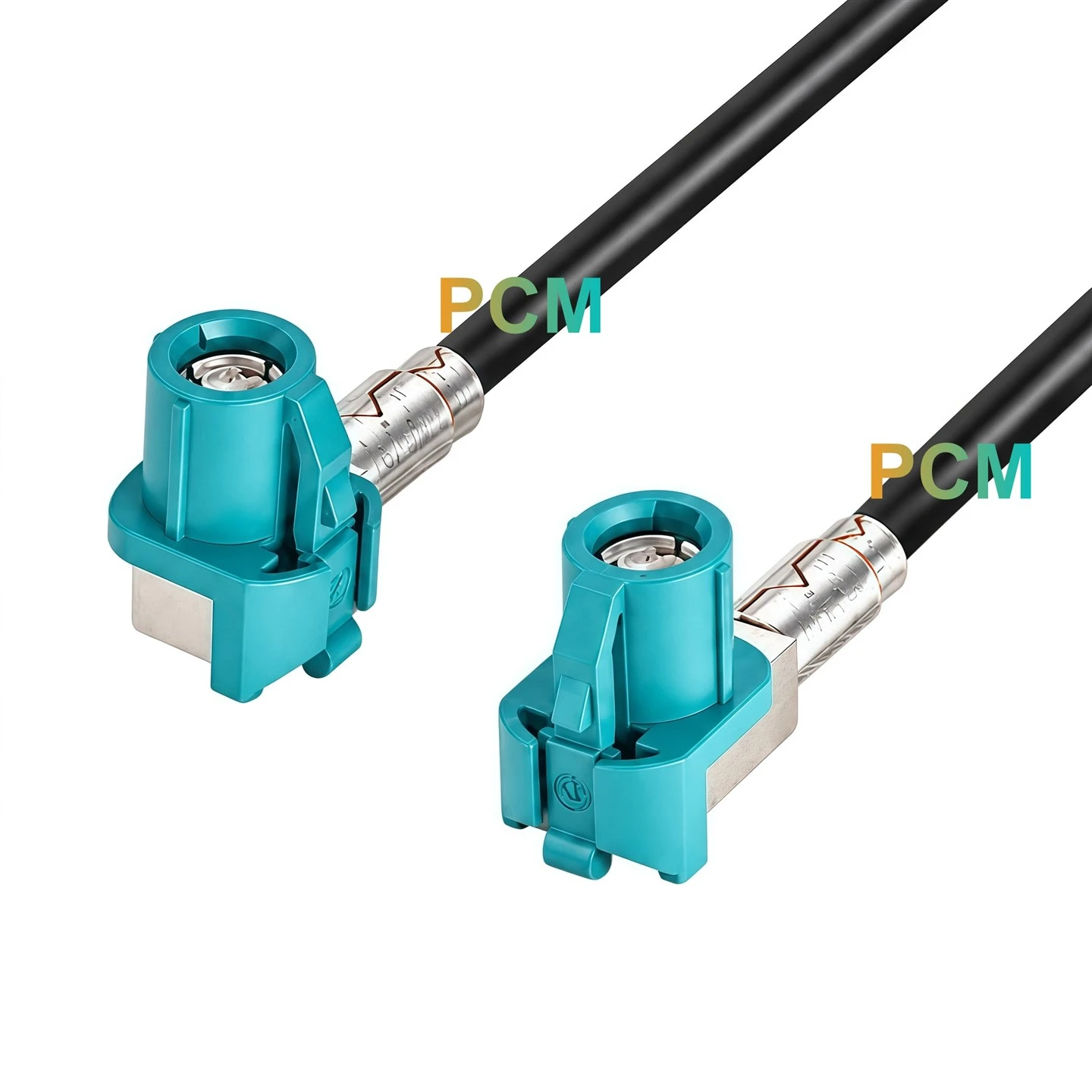
Rosenberger HSD LD5-219 Right Angle Cable
Rosenberger LD5-219 HSD cable assembly with right exit and down exit 90 degree jacks, DACAR 535 4 pole cable and
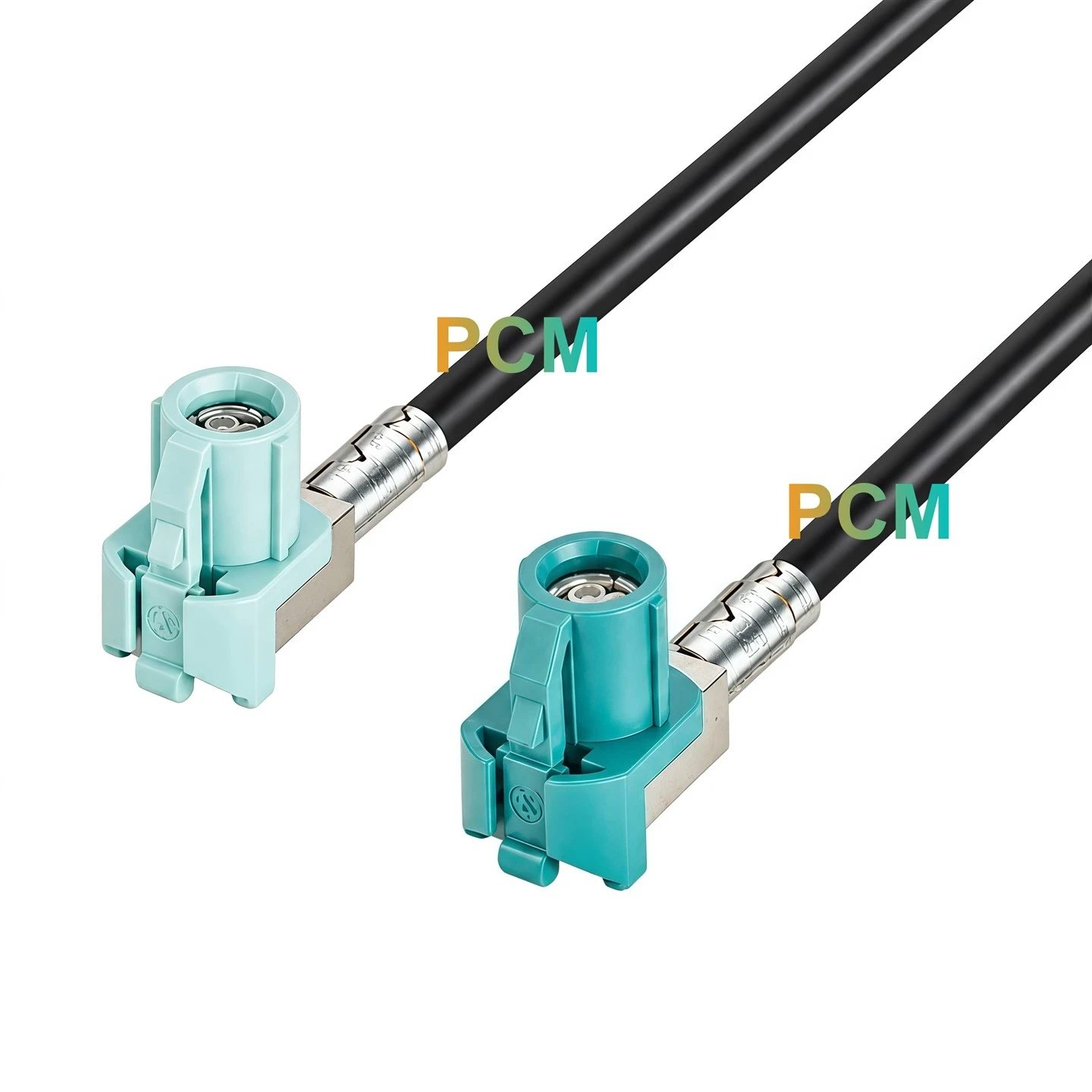
Rosenberger LD5-218-xxxx-y-y Cable
Rosenberger LD5-218 HSD cable assembly with cable up and cable down right angle jacks, DACAR 535 4 pole cable and
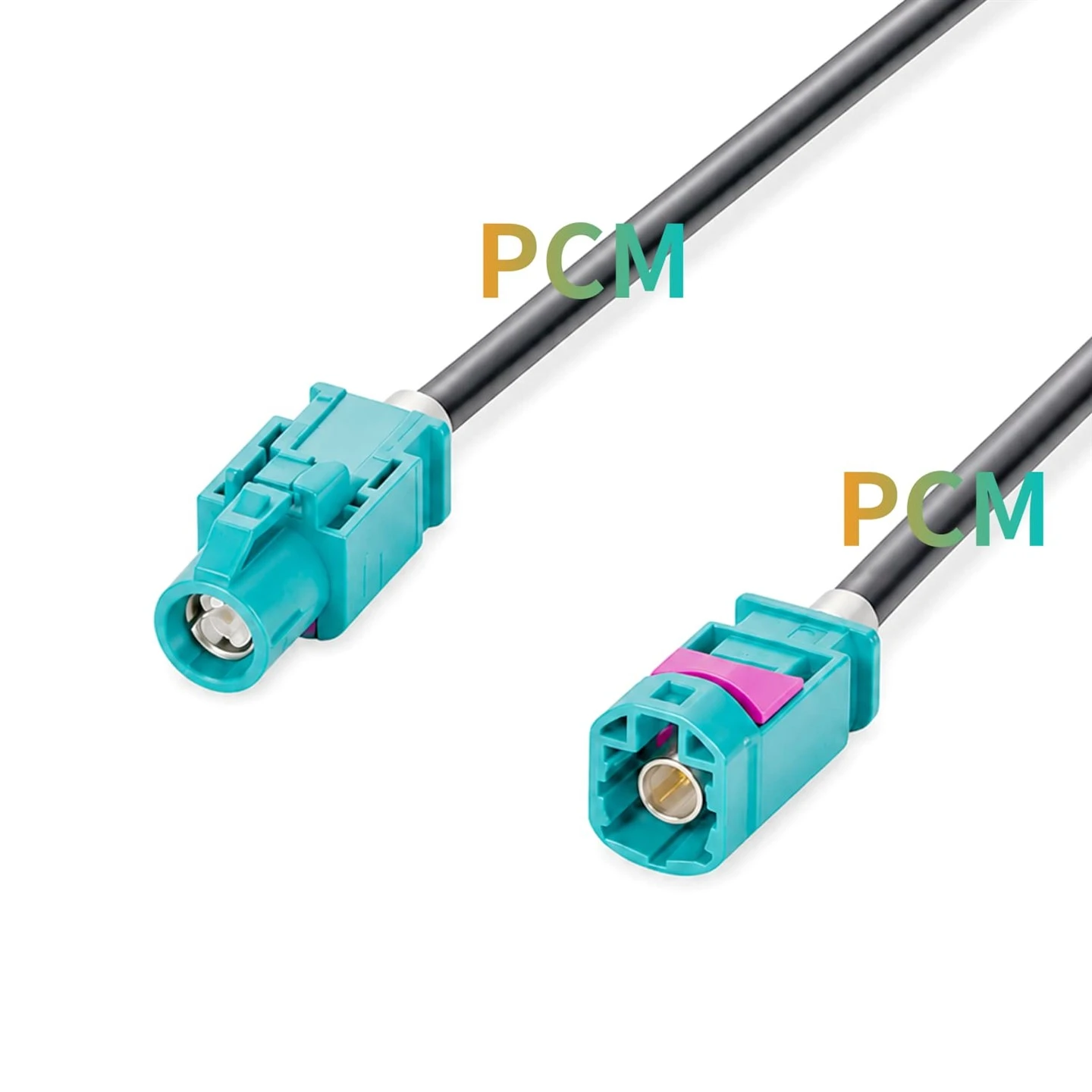
Rosenberger LD5-102-xxxx-y-y Cable
The LD5-102-XXXX-Y-Y is a Rosenberger HSD 4-pole automotive cable assembly featuring a DACAR 535 cable, a
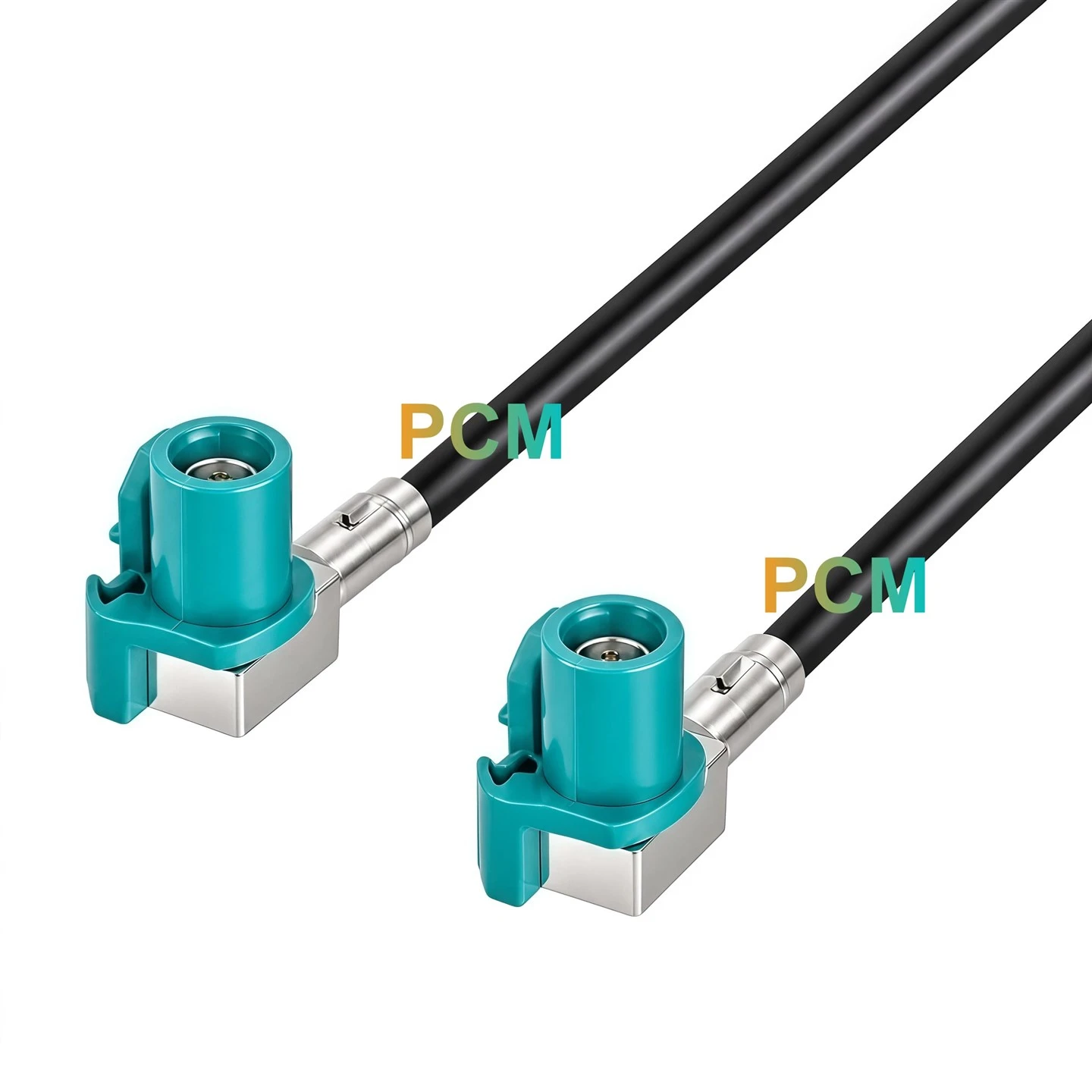
Rosenberger LD5-217-xxxx-y-y Cable
Rosenberger LD5-217 HSD cable assembly with dual right angle connectors and DACAR 535 4 pole cable for automotive
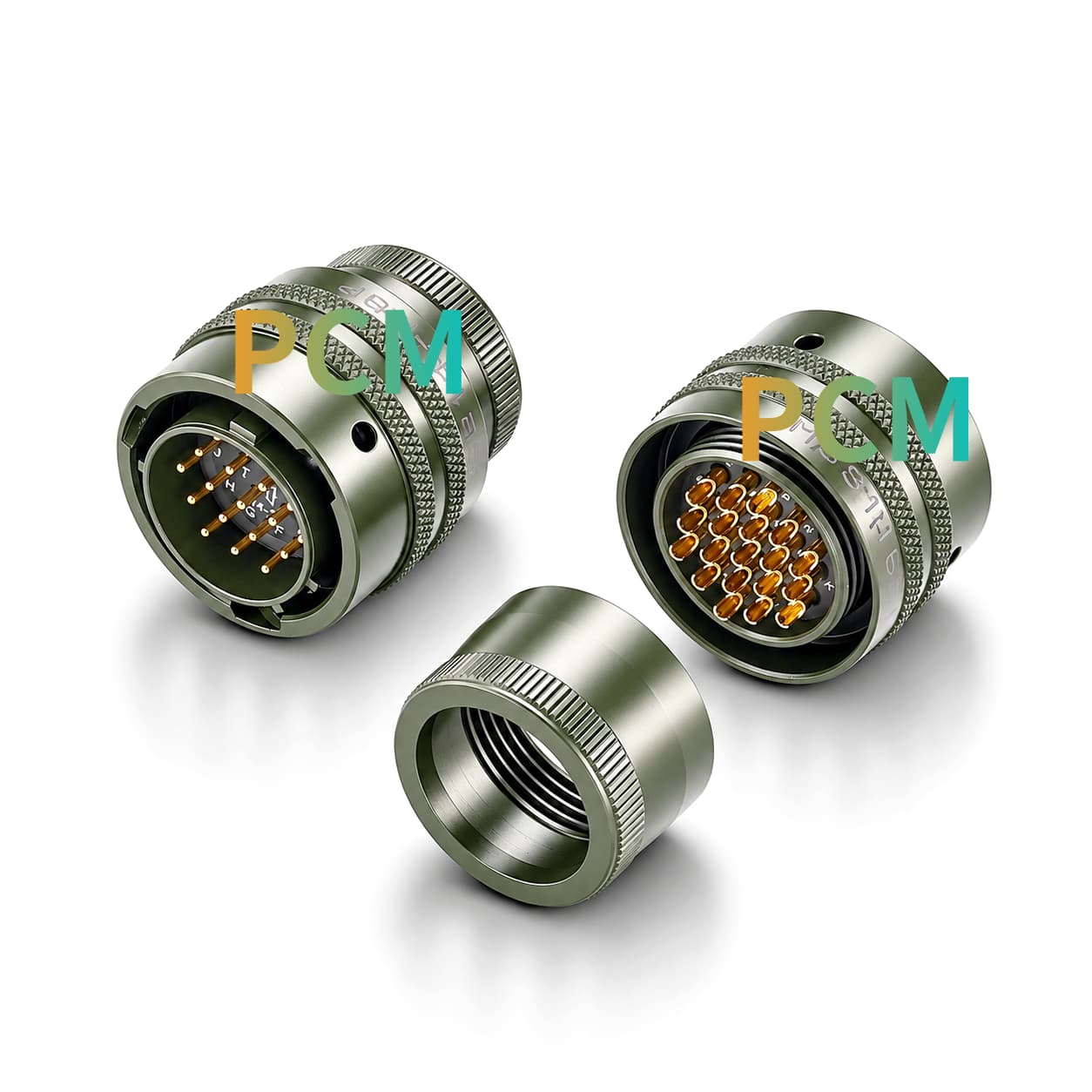
MS3116E14-19P Connector
The MS3116E14-19P is a 19-position MIL-DTL-26482 Series I circular electrical connector featuring a straight cable plug
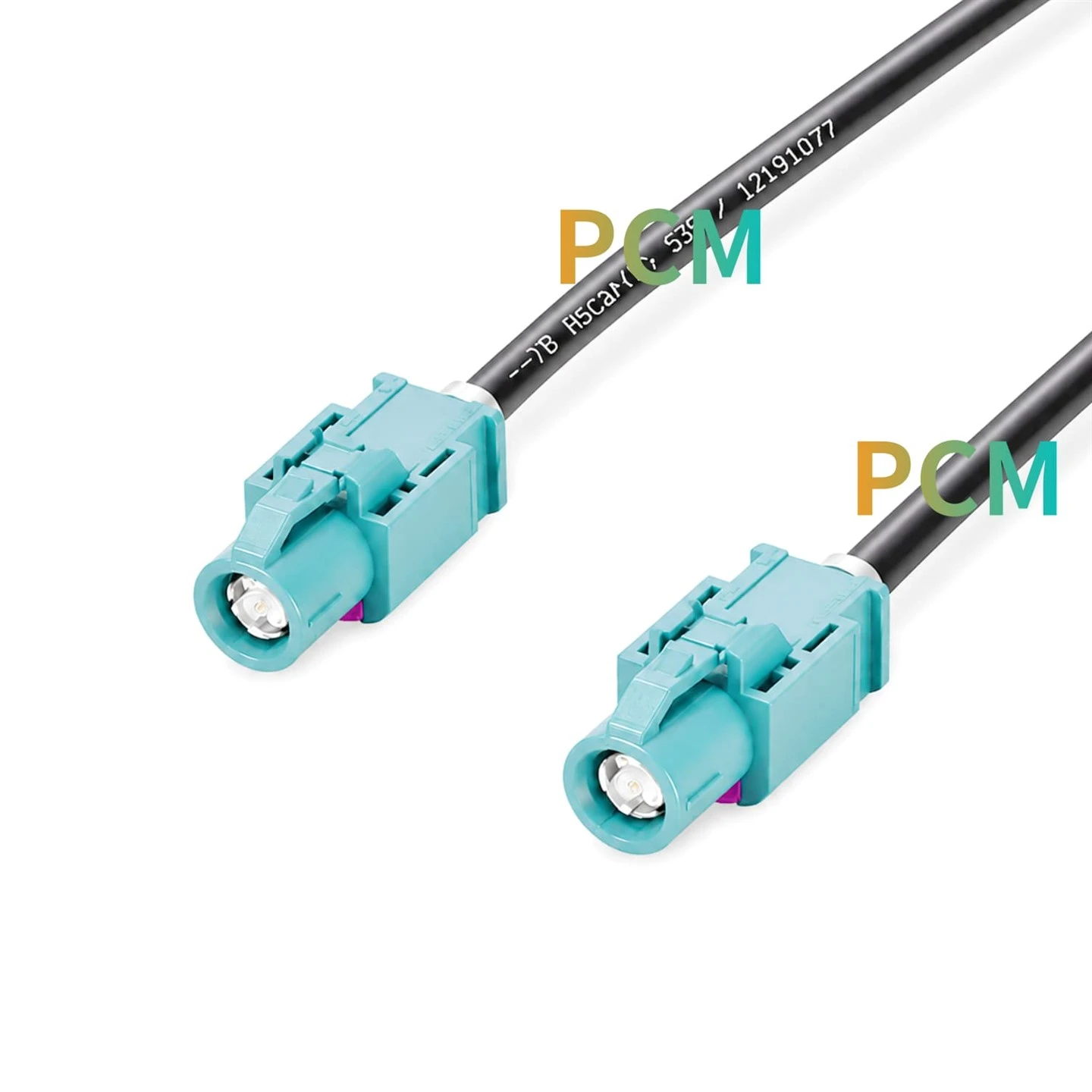
Rosenberger LD5-101-xxxx-y-y Cable
The LD5-101-XXXX-Y-Y is a Rosenberger HSD automotive high-speed data cable assembly featuring D4K10A-1D5A5-Z straight