

1, Cleanliness control: dual protection from material volatilization to particle barrier
The core sources of pollution in clean rooms include the release of volatile organic compounds (VOCs) from connector materials, particles generated by mechanical friction, and the invasion of external particles. In response to these challenges, the following technical solutions are required for M8 connectors used in cleanrooms:
Low volatile material system
Although traditional PA66+GF30 materials have high strength characteristics, their glass fiber reinforcement may release trace particles at high temperatures. High performance engineering plastics such as PPS (polyphenylene sulfide) or PEEK (polyether ether ketone) have been used for cleanroom specific models. These materials have a VOC emission of less than 0.1 μ g/g and meet the chemical stability requirements of ISO 14644-8 standard for cleanroom materials. For example, the PEEK shell M8 connector launched by Moore Electronics reduced particle release by 87% compared to the PA66 model after continuous operation at 85 ℃ for 1000 hours.
Fully enclosed structural design
To prevent external particles from entering, the connector needs to be designed with an IP69K protection level. The anti rotation thread profile technology introduced in Husman's 2025 product line optimizes the thread profile and pitch to improve the insertion and extraction stability to the standard of 10000 cycles. At the same time, it is matched with a double-layer silicone sealing ring to achieve 24-hour no leakage after soaking in 1.5 meters of water. In the semiconductor equipment cleaning process, this type of design can resist the impact of high-pressure water jets and avoid electrical faults caused by the penetration of cleaning solution.
Surface treatment process
The surface of the connector needs to be plated with nickel or chemically gold-plated to form a dense oxide film to reduce particle adhesion. The Wuxi factory of DeSuo Precision Industry adopts micrometer level polishing technology to reduce the surface roughness of the shell to below Ra0.2 μ m, which is 60% lower than traditional models and significantly reduces particle pollution caused by friction during wafer handling.
2, Optimization of Vibration Resistance: A Composite Strategy from Dynamic Compensation to Energy Dissipation
Cleanroom robots need to maintain micrometer level positioning accuracy during high-speed motion, and the M8 connectors at their joints need to withstand vibration acceleration of 0.5G-2G. In response to this demand, the industry has developed multi-level anti vibration technology:
Dual contact dynamic compensation
Traditional single contact design is prone to contact resistance fluctuations in vibration environments. The cleanroom specific M8 connector adopts a dual contact parallel structure, with each pin equipped with two independent spring contacts, which dynamically adjust the contact state through pre pressure. In the 10-55Hz vibration test, the contact resistance fluctuation range of Phoenix Contact's M8-L series is controlled within ± 0.3m Ω, which improves stability by 40% compared to single contact models.
Silicone buffer layer
Filling high viscosity elastic silicone inside the connector can convert vibration energy into thermal energy for dissipation. Test data shows that the M8 adapter filled with silicone reduces the acceleration transmission rate to 35% under 50Hz vibration, reducing vibration impact by 65% compared to the design without buffering. This technology is particularly suitable for connecting force sensors at the end of robotic arms, which can avoid measurement errors caused by vibration.
Modular redundancy design
In response to the complex vibration environment at the joints of wafer handling robots, some manufacturers have launched separate M8 connectors. For example, Lumberg's M8 Split series connects plugs and sockets through flexible cables, reducing the displacement of the connector by 60% under 20Hz vibration, while supporting hot swapping function for easy on-site maintenance.
3, Corrosion resistance enhancement: a comprehensive upgrade from chemical compatibility to environmental adaptation
Chemical reagents such as isopropanol and hydrogen peroxide are commonly used in clean rooms for equipment cleaning, requiring connectors to have excellent corrosion resistance. The industry has achieved breakthroughs through the following technological paths:
Fluororubber sealing material
Traditional silicone sealing rings are prone to swelling and deformation in strong oxidizing cleaning agents. Clean room specific M8 connectors are sealed with fluororubber (FKM) or perfluororubber (FFKM), which can withstand high temperatures of 150 ℃ and immersion in 30% concentration hydrogen peroxide solution, and have a service life more than 5 times longer than silicone.
Stainless steel gland design
In the equipment cleaning scene of the food processing industry, the improved model launched by Moore Electronics in 2023 adopts 316L stainless steel cover, which is combined with laser welding technology to achieve a fully sealed structure. This design can withstand 100 bar high-pressure water jet impact, meet the requirements of CIP (in-situ cleaning) process, and control the residual amount of cleaning solution below 0.01mL.
Ceramic filler composite material
Some manufacturers have developed ceramic filler reinforced PPS shells for strong acid cleaning agents used in the semiconductor industry. By adding 20% volume fraction of alumina ceramic particles, the material's resistance to hydrochloric acid corrosion is improved by 300% while maintaining the UL94 V-0 flame retardant rating.
4, Industry Application Case: Practical Verification from Wafer Handling to Biopharmaceuticals
Semiconductor manufacturing field
SMIC's 12 inch wafer fab uses the M8-3P connector from Desao Precision Industries, and its dual contact design and PEEK housing have successfully passed SEMI S2/S8 certification. In the transmission module of the lithography machine, the connector achieves 100000 plug and unplug cycles without failure in a 0.3G vibration environment, helping the production line achieve 99.999% overall equipment efficiency (OEE).
Biomedical field
WuXi AppTec's sterile formulation production line uses Hesman's IP69K grade M8 connectors, which have a fluororubber seal and stainless steel cover design that can withstand high-pressure steam sterilization at 121 ℃, meeting the cleanliness requirements of GMP standards for medical device connection components. In the temperature cycling test of the freeze dryer, the connector maintains stable electrical performance under a temperature range of -40 ℃ to+85 ℃, ensuring the reliability of equipment operation.
What are the special requirements for M8 connectors used by robots in clean rooms?
Popular Products

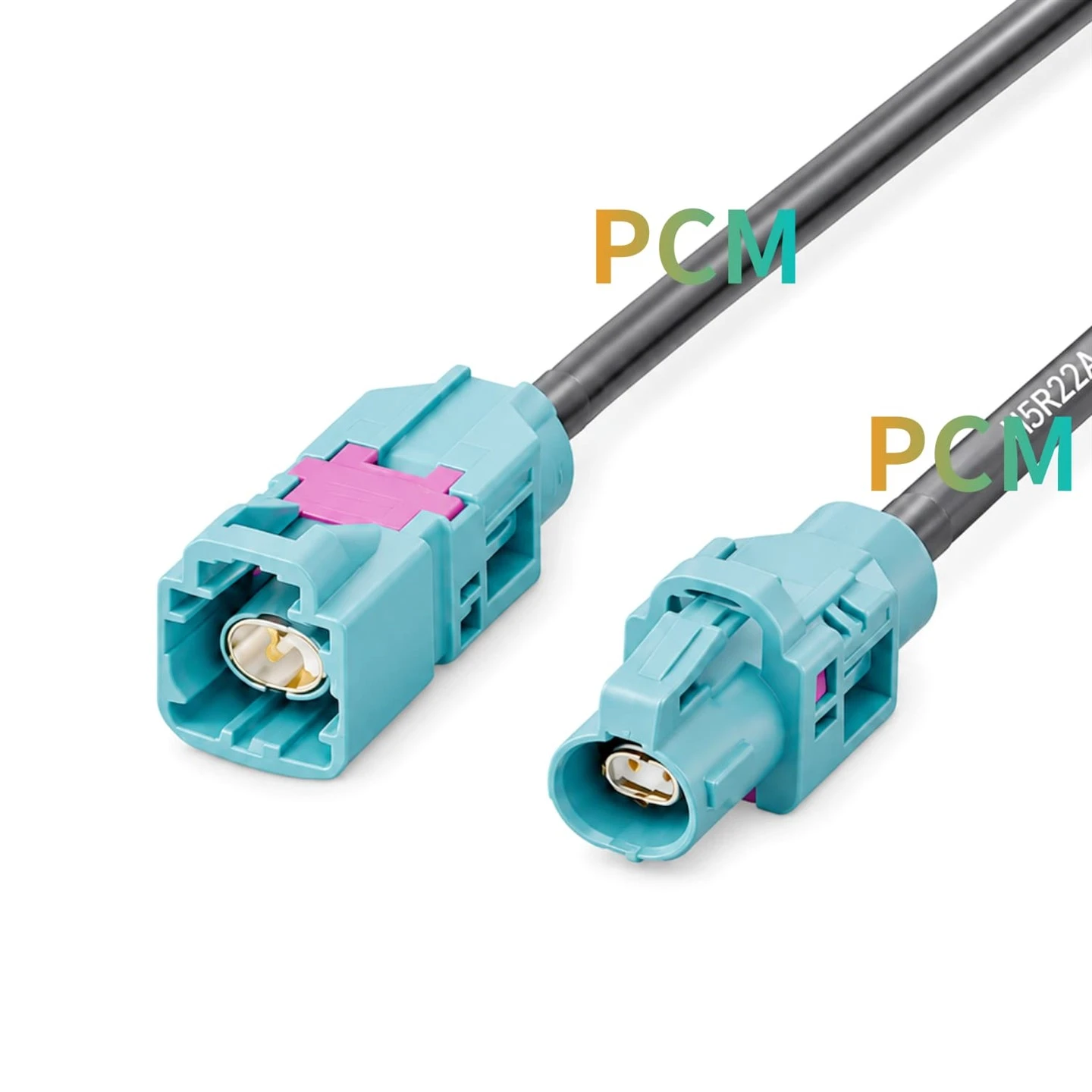
Rosenberger Waterproof LCA-106-2000-Z-Z Cable
The LCA-106-2000-Z-Z is a Rosenberger H-MTD waterproof automotive cable assembly featuring E6K141-1CAZ5-Y straight jack
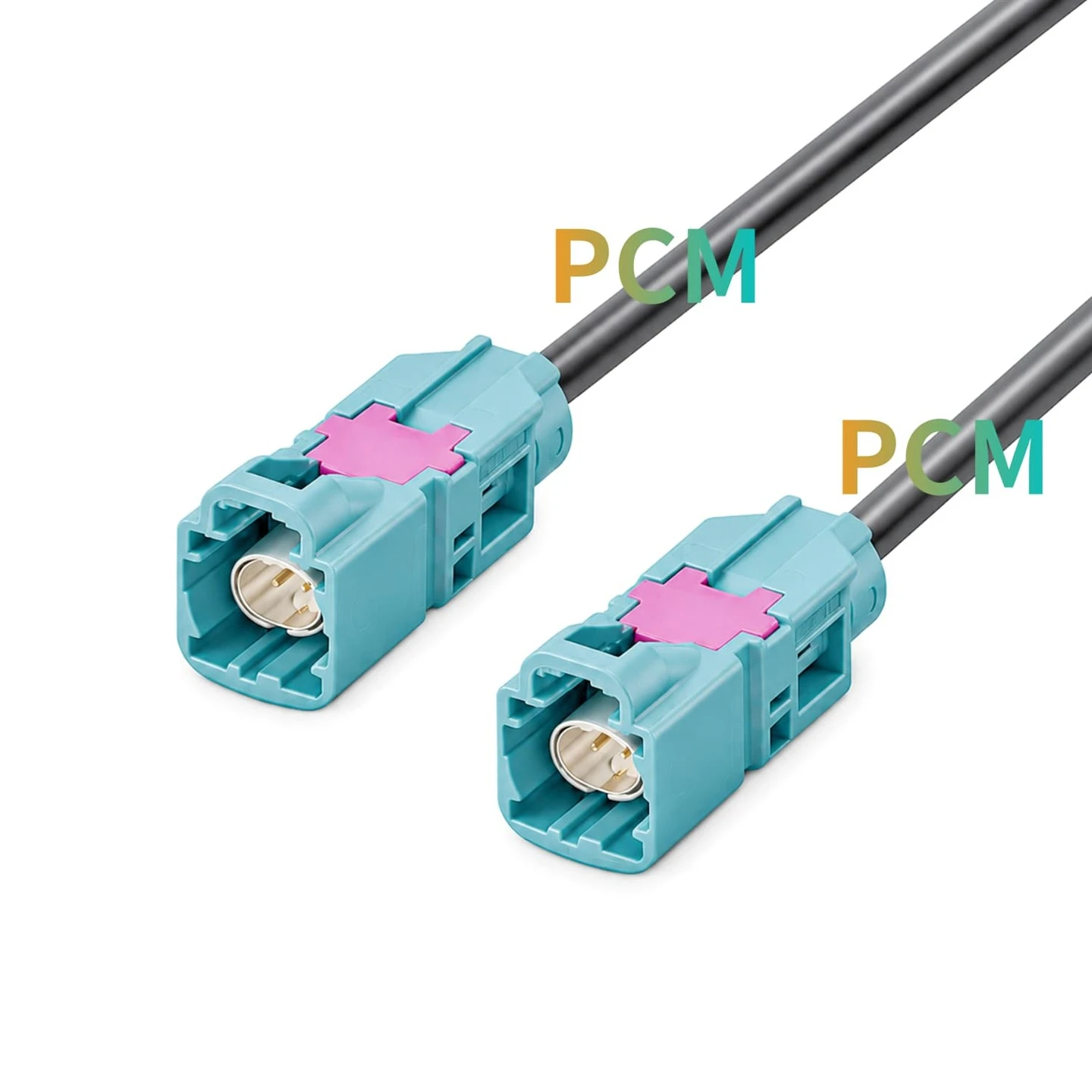
Rosenberger LCA-104-1000-Z-Z Cable
The LCA-104-1000-Z-Z is a Rosenberger H-MTD automotive high-speed cable assembly featuring two E6S10A-1CAZ5 straight
Rosenberger LCA-103-1000-Z-Z Cable
The LCA-103-1000-Z-Z is a Rosenberger H-MTD automotive cable assembly featuring E6S10A-1CAZ5 and E6K10A-1CAZ5

Rosenberger LCA-106-2000-Z-Z Cable
The Rosenberger LCA-106-2000-Z-Z is a waterproof H-MTD cable assembly featuring E6K141-1CAZ5-Y straight jack connector,
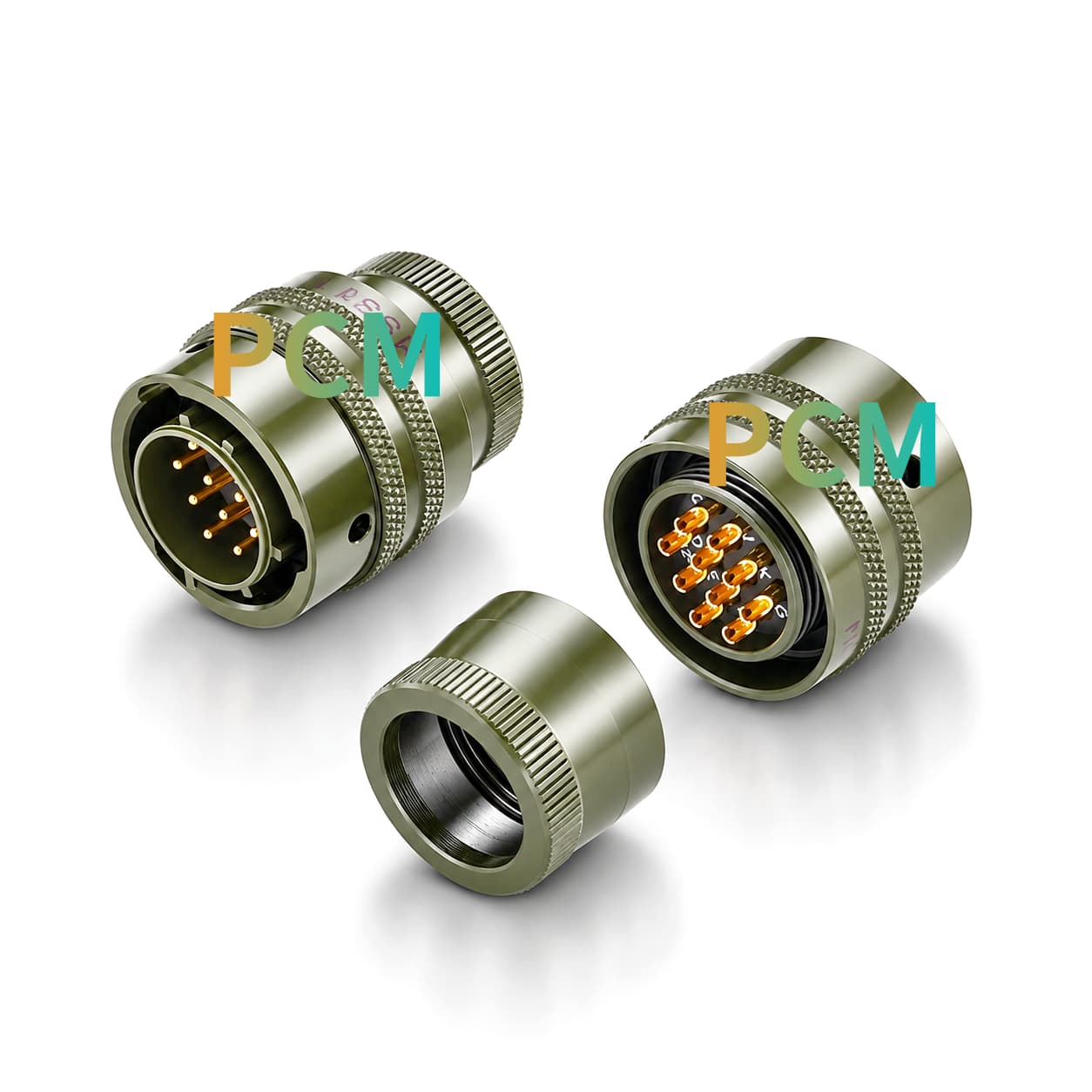
MS3116E12-10P Connector
The MS3116E12-10P is a 10-position circular electrical connector featuring a 12-10 insert arrangement for military
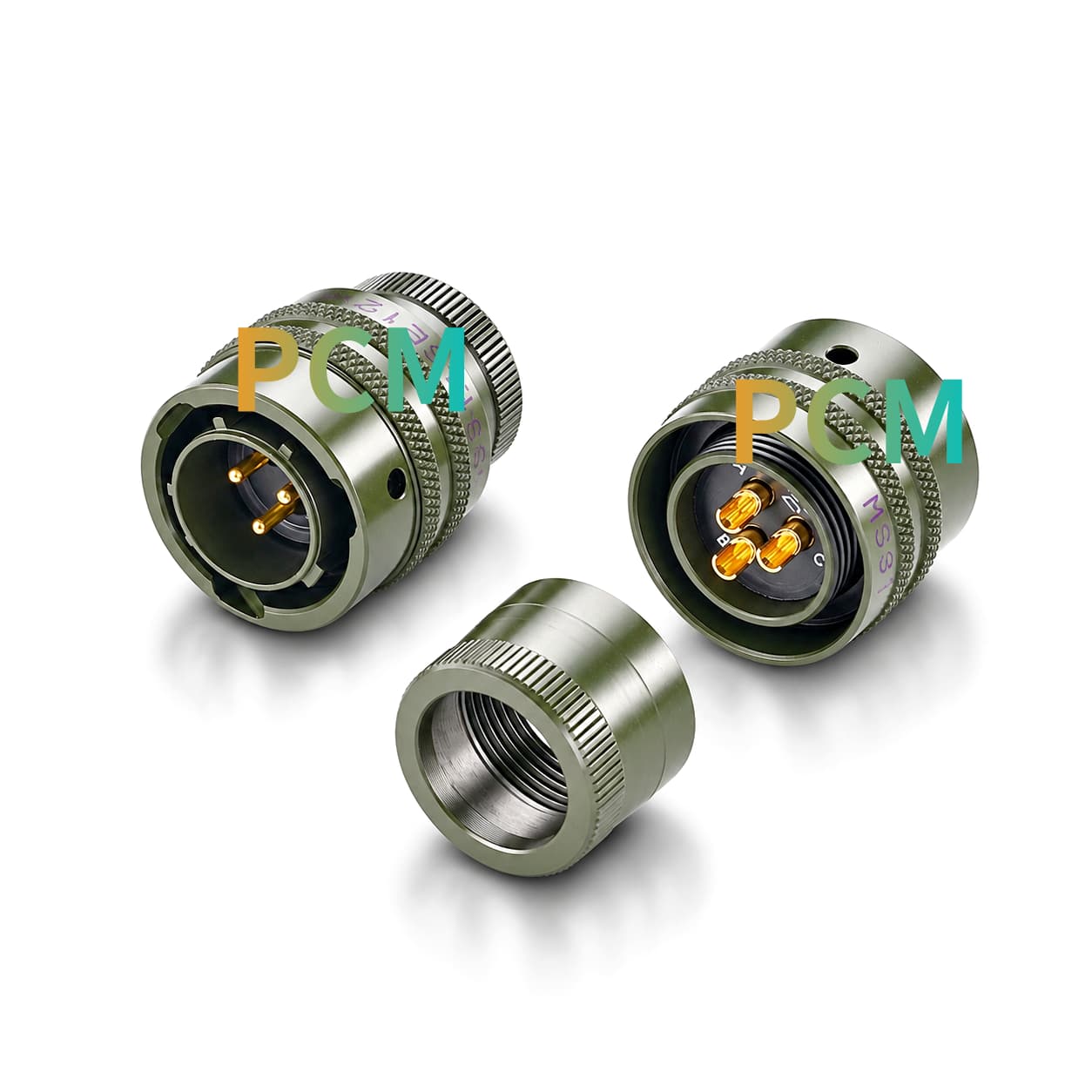
MS3116E12-3P Connector
The MS3116E12-3P is a new 3-position circular electrical connector developed by Premier Cable. Featuring a 12-3 insert