一, The 'Vibration Challenge' in Industrial Scenarios: A Composite Test from Microscopic Vibration to Macroscopic Impact
The vibration sources in industrial environments exhibit diverse characteristics: rail transit vehicles are subjected to instantaneous vibrations such as track joint impact and switch switching during high-speed operation; The joint motion of industrial robots generates high-frequency micro vibrations; New energy equipment faces low-frequency large displacement vibrations such as wind loads and earthquakes during outdoor operation. These vibrations not only have a wide frequency range (0.1Hz-2000Hz), but also have significant amplitude differences (0.01mm-50mm), placing strict requirements on the mechanical structure of the connector.
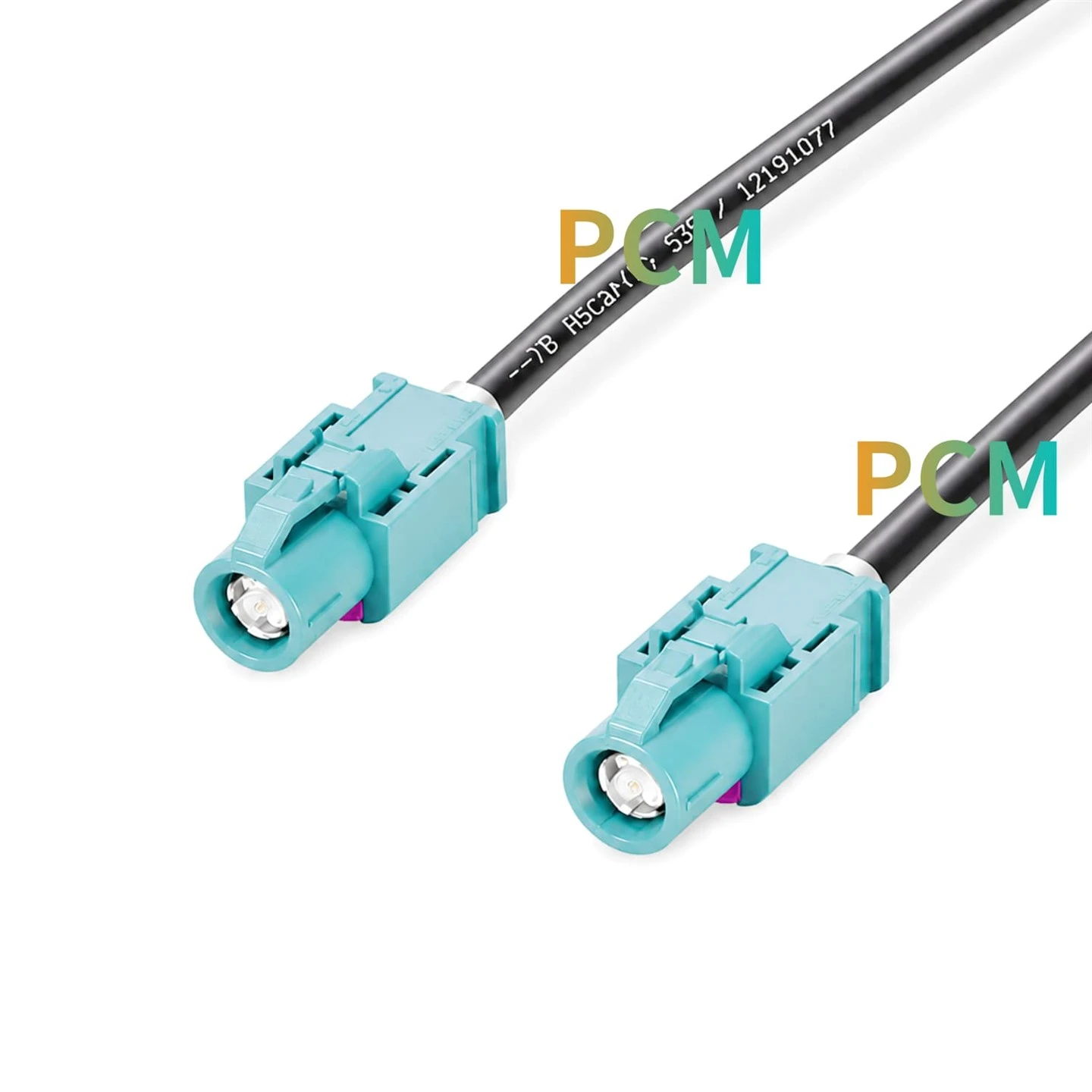
Taking rail transit as an example, the EN50155 standard explicitly requires on-board equipment to pass a 5-level vibration test (frequency 5-500Hz, acceleration 50m/s ²), simulating the vibration environment of trains under high-speed cornering, emergency braking, and other working conditions. When a certain model of industrial switch uses a regular RJ45 interface, network interruption occurred due to loose contacts during vibration testing. After switching to an M12 adapter, it successfully passed the test and achieved continuous 3-year zero fault operation through a "3-turn locking" threaded structure and an 80N vibration holding force design.
二, The Three Technical Dimensions of Seismic Design: From Structural Innovation to Material Breakthrough
1. Locking mechanism: "Seismic password" for mechanical connection
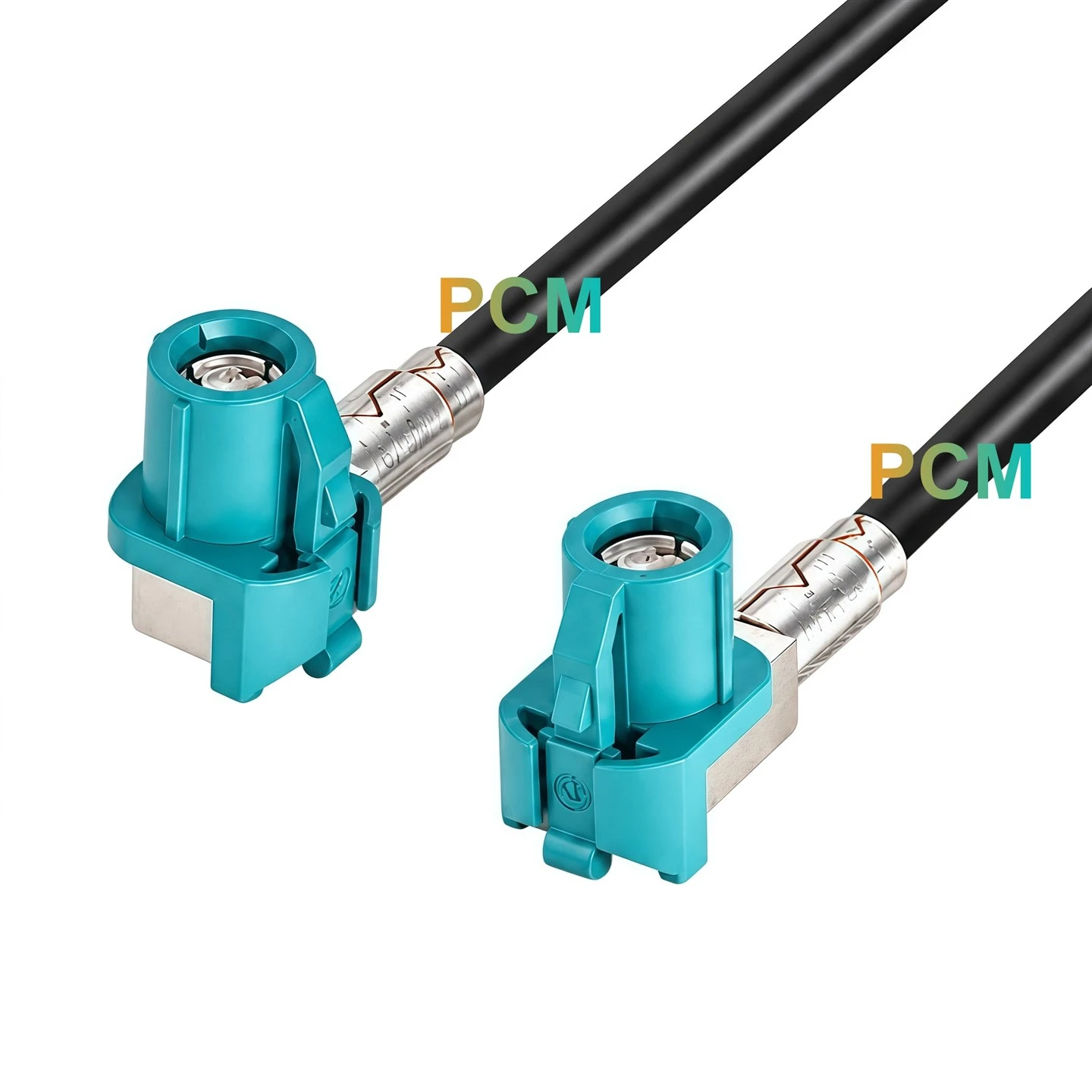
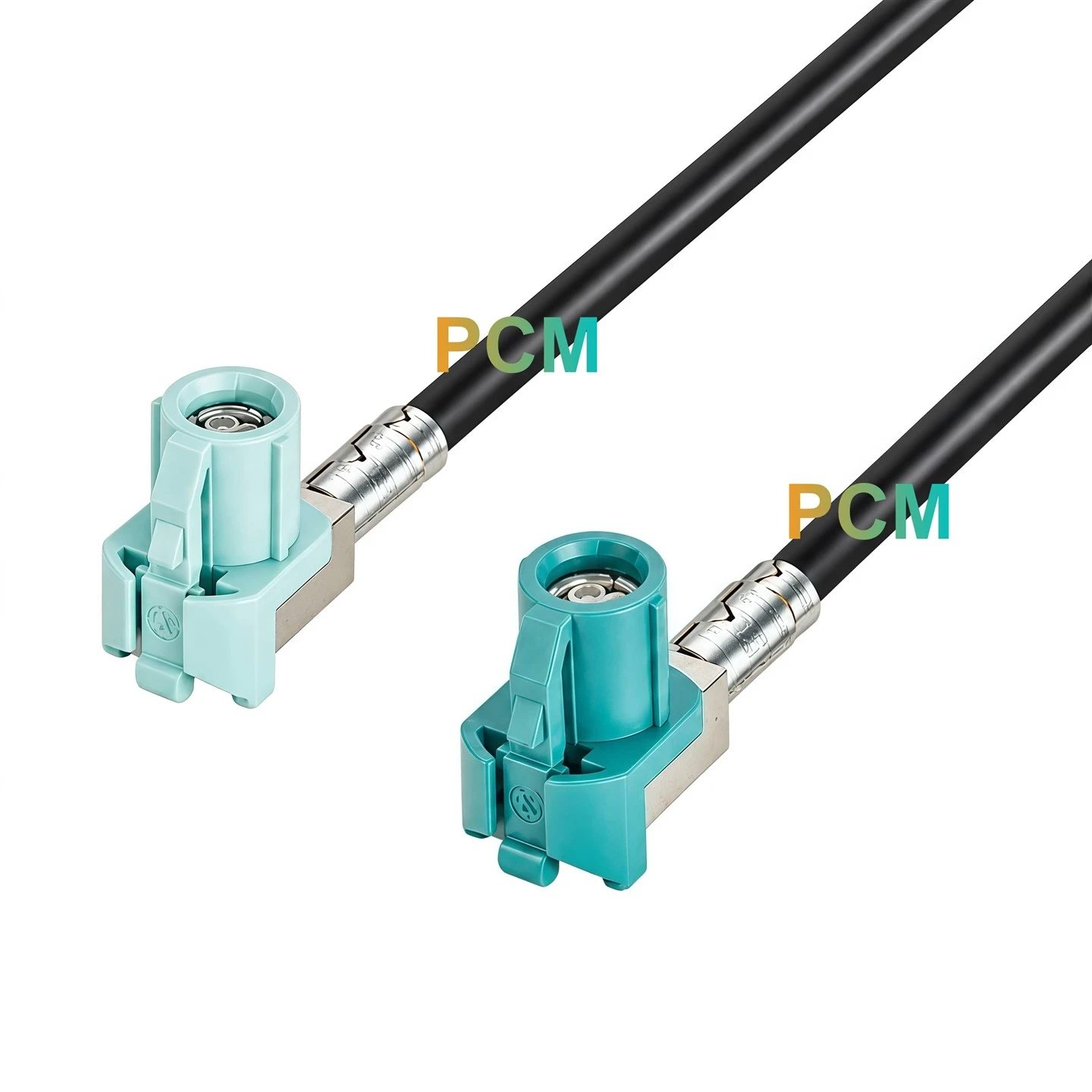
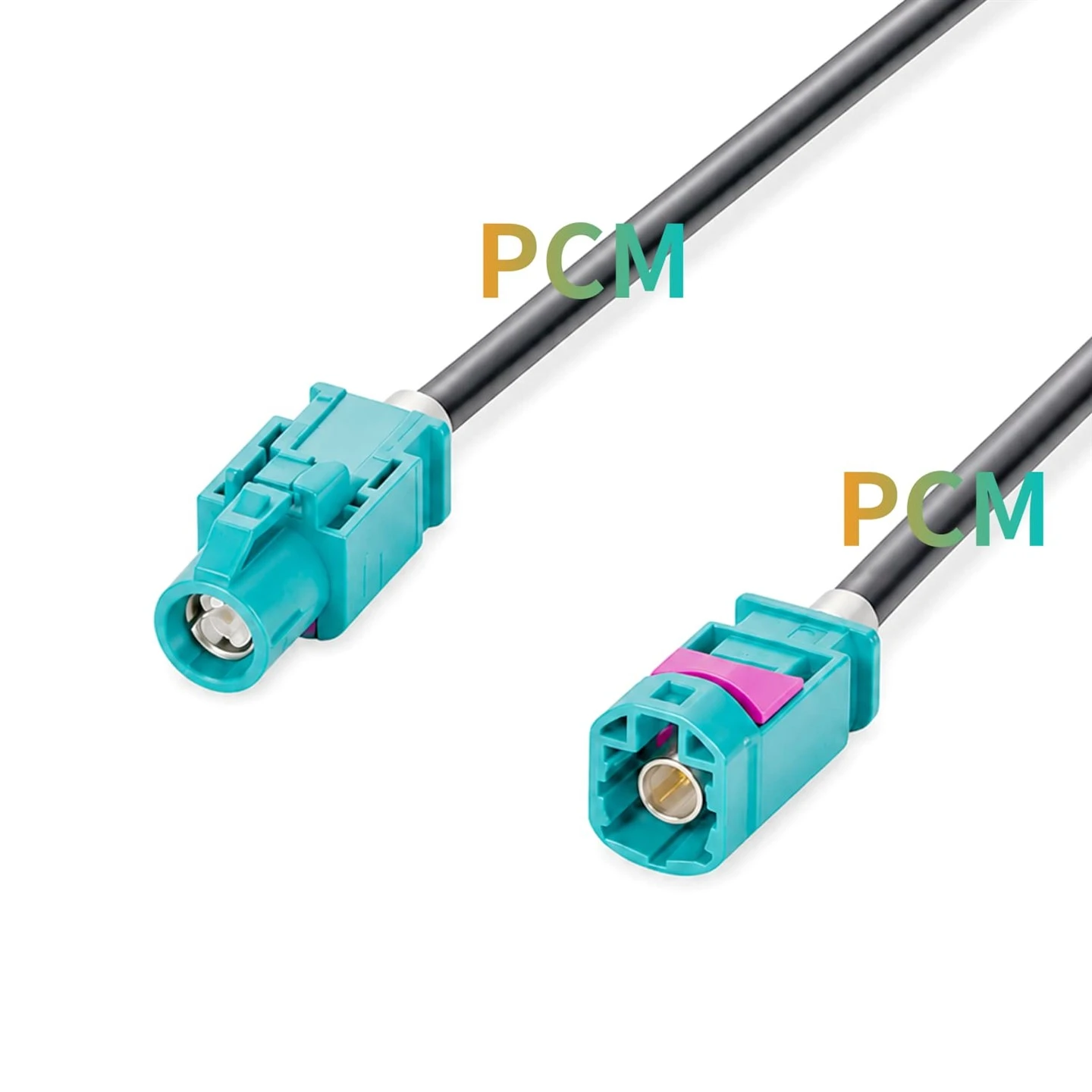
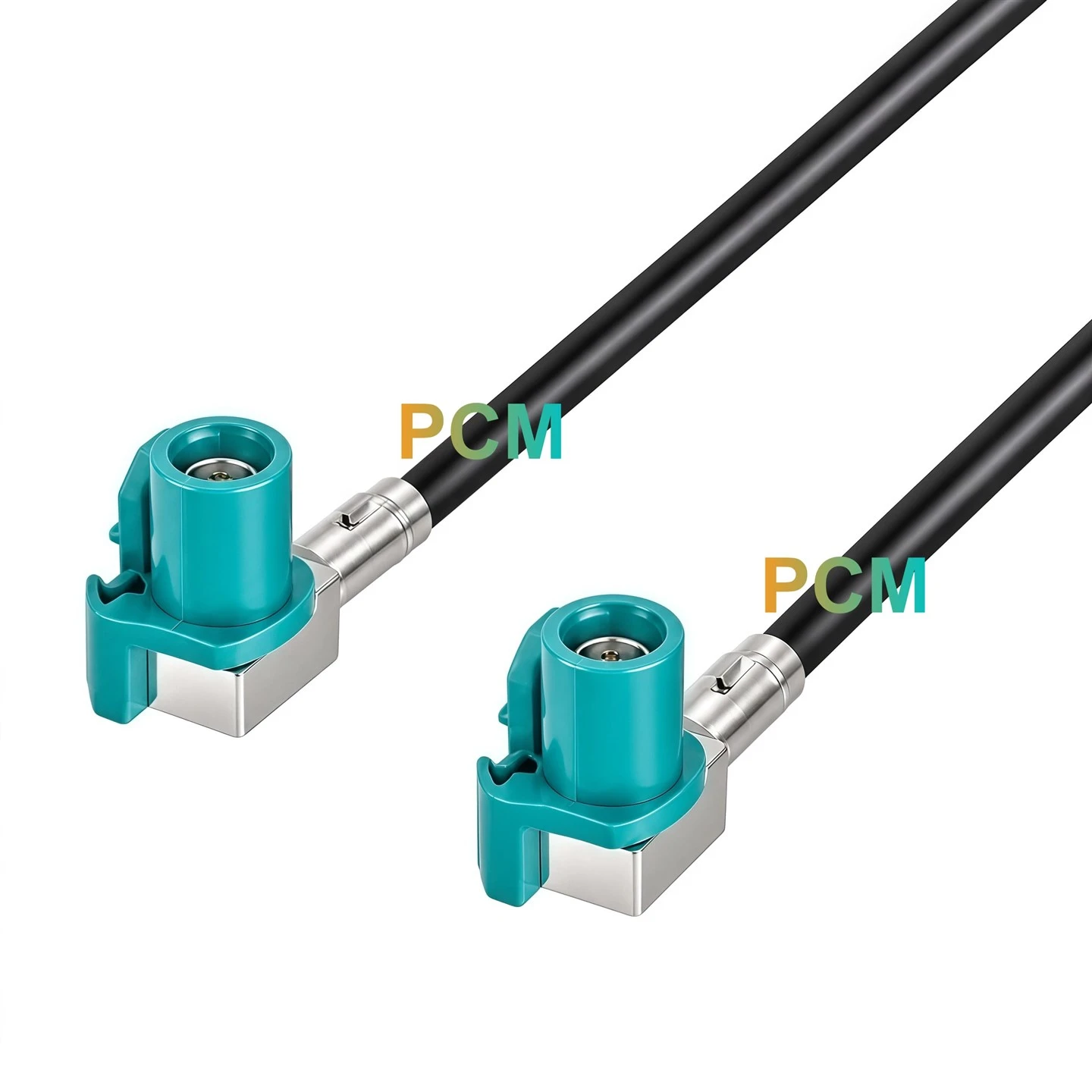
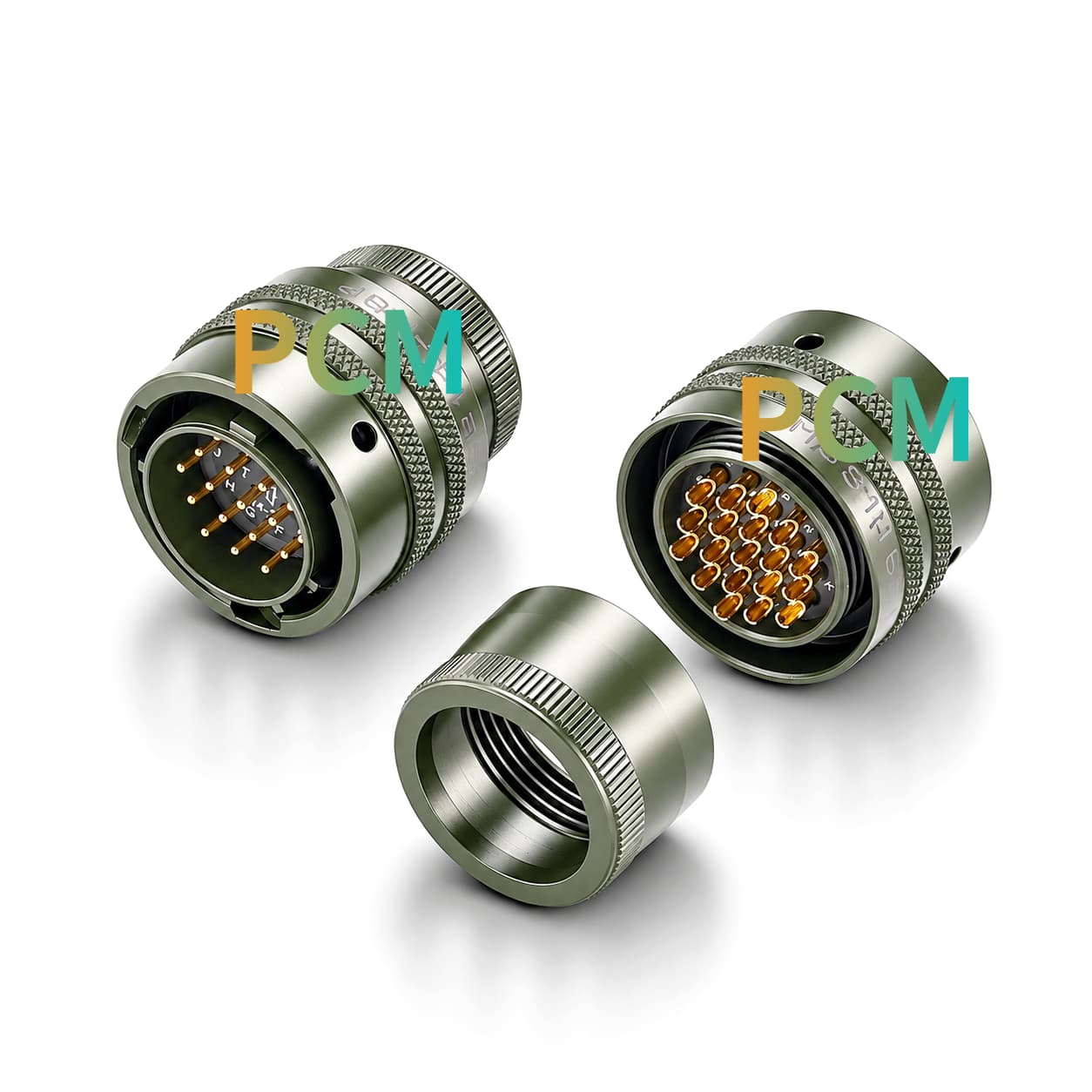
The thread locking design of the M12 adapter follows the principle of "3-turn locking", which means that the plug and socket are mechanically engaged through 3-turn threads, increasing the anti vibration ability by 40% compared to traditional snap on connections. The LM12 series of DeSuo Precision Industry adopts double thread synchronous locking technology, which maintains a force of 80N (industry average 50N) during vibration testing, reducing the fault frequency of the robotic arm by 65% in high-frequency vibration scenarios.
2. Materials Science: Synergistic Vibration Resistance of Metals and Composite Materials
The metal shell provides basic strength, while the interior adopts an elastic cushioning structure to form a seismic system that combines rigidity and flexibility. For example, the M12 adapter housing of a certain car gateway uses aviation grade aluminum alloy (tensile strength ≥ 320MPa), with embedded silicone rubber shock pads (Shore hardness 35A) inside, maintaining stable shock absorption performance in the temperature range of -35 ℃ to+75 ℃. This design allows the device to have a contact resistance fluctuation of only 0.002 Ω and a signal transmission error rate of less than 10 ⁻¹ ² during 8-level earthquake simulation testing.
3. Structural optimization: integration of bionics and finite element analysis
Through biomimetic design, the M12 adapter draws inspiration from the fiber structure of skeletal tendons and uses cross woven reinforcement in key areas. Finite element analysis shows that this structure reduces the stress concentration factor by 37% and maintains structural integrity even under 10G vibration acceleration. The practice of a certain AGV enterprise shows that after adopting the optimized structure of M12 adapter, the connection failure rate caused by vibration of the equipment decreased from 12% to 0.3%.
三, Industry value of seismic performance: from single point reliability to system stability
1. Rail transit: the "nerve hub" for safe operation
In the high-speed rail signal control system, the M12 adapter connects the train control unit to the track circuit sensor. Its seismic design must meet the IEC 61373 standard by simulating longitudinal, transverse, and vertical vibrations (frequency 1-100Hz, acceleration 30m/s ²) during train operation. The metal casing and threaded locking structure of a certain model of adapter ensured that the device did not experience loose connections during a 500000 kilometer operation test, which increased the lifespan of the interface by five times compared to traditional methods.
2. Industrial robots: the "energy channel" for precision motion
The joint motion of a six axis industrial robot generates high-frequency micro vibrations (frequency 100-2000Hz, amplitude 0.01-0.1mm), posing a challenge to the dynamic response capability of the M12 adapter. The adapter using dynamic damping technology optimizes the mass distribution and elastic modulus to avoid the resonance frequency of the robot working frequency band (usually<100Hz), achieving a motion control accuracy of 0.01mm level in a certain automotive welding production line and reducing the troubleshooting time by 67%.
3. New energy equipment: "endurance guarantee" for outdoor operation
Photovoltaic inverters need to withstand the combined effects of wind induced vibration (frequency 0.1-10Hz, acceleration 5m/s ²) and temperature cycling (-40 ℃ to+85 ℃) outdoors. The IP68 protection level and UV resistant shell material of the M12 adapter enable it to pass 2000 hour certification in salt spray testing, with an annual corrosion rate of only 0.01mm, meeting the 15 year service life requirement for coastal wind power equipment. Data from a certain wind farm shows that the use of seismic resistant adapters reduces equipment downtime by 41% and operation and maintenance costs by 28%.