
Hey there! As a supplier of Devicenet adapters, I often get asked if these nifty little devices can be upgraded. Well, let's dive right into it and explore the ins and outs of Devicenet adapter upgrades.
First off, what the heck is a Devicenet adapter? For those who aren't in the know, Devicenet is a network protocol used mainly in industrial automation. It allows different devices to communicate with each other, kind of like a digital language that machines understand. A Devicenet adapter, then, is like a translator that helps these devices speak the same language. It connects various pieces of equipment to the Devicenet network, making sure they can share data and work together smoothly.
So, can you upgrade a Devicenet adapter? The short answer is yes, in many cases. But like most things in life, it's not always that simple. There are a few factors to consider before you decide to take the upgrade plunge.
Compatibility is Key
One of the most important things to think about is compatibility. Your existing equipment needs to be able to work with the upgraded adapter. If you've got older devices on your network, they might not be able to handle the new features or communication speeds that come with an upgraded adapter. For example, if your adapter is connected to some really old sensors that can only communicate at a slow rate, upgrading to a high - speed adapter might not do you any good. The sensors just won't be able to keep up.
On the flip side, if you're planning to add new, more advanced devices to your network in the future, an upgrade might be a smart move. Newer devices often require faster communication speeds and more advanced protocols, and an upgraded adapter can provide that.
Firmware Upgrades
A lot of Devicenet adapters can be upgraded through firmware updates. Firmware is like the software that runs on the adapter. Manufacturers often release firmware updates to fix bugs, improve performance, or add new features. Updating the firmware is usually a relatively simple process. You just need to download the new firmware from the manufacturer's website and follow the instructions to install it on your adapter.
However, you need to be careful when doing firmware upgrades. Make sure you download the correct firmware for your specific adapter model. Using the wrong firmware can cause all sorts of problems, like the adapter not working at all or having communication issues with other devices on the network.
Hardware Upgrades
Sometimes, a simple firmware upgrade isn't enough. You might need to replace the actual hardware of the adapter. This could be because your current adapter is too old and can't support the latest features, or because you need to increase its capacity to handle more devices on the network.
Hardware upgrades can be a bit more complicated and expensive than firmware upgrades. You'll need to buy a new adapter and install it in place of the old one. This might involve some technical know - how, like disconnecting and reconnecting cables and configuring the new adapter to work with your existing network.
Benefits of Upgrading
Now, let's talk about why you might want to upgrade your Devicenet adapter in the first place.
Improved Performance
Upgrading can lead to better performance. Newer adapters often have faster processors and better communication capabilities. This means that data can be transferred between devices more quickly and efficiently. For example, if you're running a manufacturing process where real - time data is crucial, a faster adapter can help reduce delays and improve the overall efficiency of your operation.
Enhanced Features
Newer adapters usually come with additional features. Some might have built - in security features to protect your network from unauthorized access. Others might support new communication protocols that allow for more flexibility in how your devices are connected. For instance, you might be able to connect devices from different manufacturers more easily with an upgraded adapter.


Future - Proofing
By upgrading your adapter, you're also future - proofing your network. As technology continues to evolve, your existing adapter might become obsolete. Upgrading ensures that your network can keep up with the latest trends and technologies, so you won't have to replace your entire system in a few years.
Our Product Line
At our company, we offer a range of Devicenet adapters that are designed to be easily upgradable. We understand that technology changes fast, and we want to make sure our customers can keep their networks up - to - date without a lot of hassle.
For example, we have the NMEA 2000 Micro - Change To Mini - Change. This adapter is great for those who need to convert between different types of connections. It's also compatible with a wide range of devices, making it a versatile option for many industrial applications.
Another product in our lineup is the Bus System T - connector DeviceNet M12 A - Code To 7/8" - 16UNF Parallel Distributor. This adapter is useful for expanding your network by allowing you to connect multiple devices in a parallel configuration. It's a reliable and cost - effective solution for increasing the capacity of your Devicenet network.
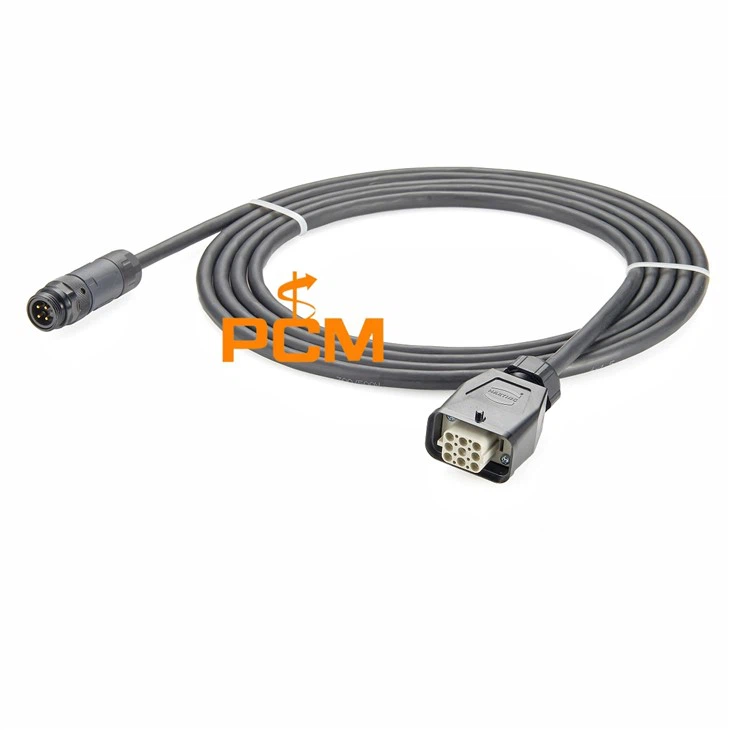
And then there's the DeviceNet Micro - Change To Mini - Change Cordset. This cordset makes it easy to connect different types of devices to your Devicenet adapter. It's a convenient and practical option for those who need to make quick and easy connections.
Making the Decision
So, how do you decide if upgrading your Devicenet adapter is the right move for you? Here are a few questions to ask yourself:
- Is my current adapter causing performance issues? If you're experiencing slow data transfer, communication errors, or other problems, an upgrade might be a good idea.
- Do I plan to add new devices to my network in the future? If so, you'll need an adapter that can support these new devices.
- Can I afford the upgrade? Consider both the cost of the new adapter (if it's a hardware upgrade) and the time and effort required to install it.
If you're still not sure, don't hesitate to reach out to us. Our team of experts is always happy to help you evaluate your situation and determine the best course of action.
Contact Us for Procurement
If you're interested in upgrading your Devicenet adapter or want to learn more about our products, we'd love to hear from you. Whether you're a small business looking to improve your automation system or a large corporation in need of a reliable network solution, we've got the right adapter for you. Just get in touch with us to start the procurement process and let's work together to take your network to the next level.
References
- Industrial Automation Handbook: A guide to understanding industrial network protocols and devices.
- Devicenet Manufacturer's Manuals: Information on specific adapter models and their upgrade capabilities.