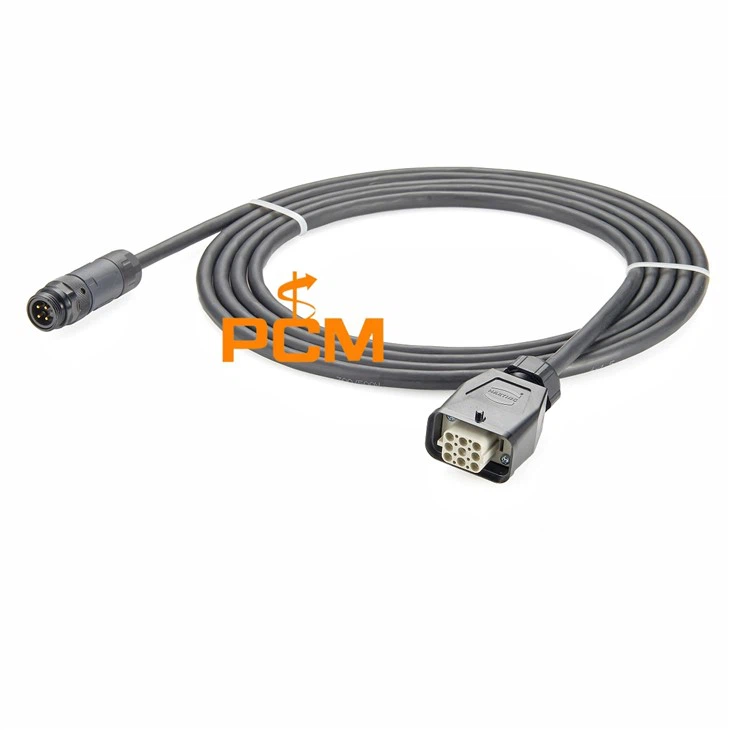

Profinet, a protocol widely recognized in the industrial automation domain, is renowned for its reliability, high - speed data transfer, and robustness. As a Profinet cable supplier, I often receive inquiries about the potential use of Profinet cables in audio - visual (AV) industrial applications. In this blog, we'll explore this topic in depth, analyzing the technical aspects, advantages, and limitations of using Profinet cables in AV setups.
Technical Compatibility
Profinet cables are designed to support the Profinet communication protocol, which is based on Ethernet technology. Ethernet has become a standard for data communication in various industries, and it has also made significant inroads into the AV sector. Most modern AV equipment, such as cameras, displays, and audio systems, are equipped with Ethernet interfaces for data transfer, control, and networking.
The physical layer of Profinet cables typically uses twisted - pair copper wires, which are also commonly found in Ethernet cables used in AV applications. For example, Cat5e and Cat6 cables are widely used in both Profinet networks and AV setups. These cables are capable of carrying high - speed data, which is essential for transmitting audio and video signals in real - time.
However, it's important to note that while the physical layer may be similar, the communication protocols used in Profinet and AV applications can be different. Profinet is mainly used for industrial automation, where deterministic communication is crucial for controlling machines and processes. On the other hand, AV applications often use protocols like SMPTE 2022 for video over IP, Dante for audio, and other proprietary or open - source protocols.
Advantages of Using Profinet Cables in AV Industrial Applications
1. High - Speed Data Transfer
Profinet cables are designed to support high - speed data transfer rates, which is a significant advantage in AV applications. High - definition video and high - quality audio require large amounts of bandwidth to be transmitted without latency or loss of quality. For example, 4K video can require bandwidths of up to 25 Gbps, and Profinet cables, especially those based on Cat6 or higher standards, can handle such high - speed data transfer.


2. Reliability and Durability
Industrial - grade Profinet cables are built to withstand harsh environments, including temperature variations, humidity, and mechanical stress. In AV industrial applications, such as in outdoor events, stadiums, or industrial - themed exhibitions, the cables need to be reliable and durable. Profinet cables are often shielded to protect against electromagnetic interference (EMI), which can degrade the quality of audio and video signals.
3. Compatibility with Existing Infrastructure
Many industrial facilities already have a Profinet - based network infrastructure in place. By using Profinet cables in AV applications, it becomes easier to integrate new AV equipment into the existing network. This can save costs on infrastructure upgrades and simplify the overall network management. For instance, if a factory wants to install security cameras or audio systems, using Profinet cables can allow these devices to connect to the existing Profinet network without major re - wiring.
Limitations and Challenges
1. Protocol Mismatch
As mentioned earlier, the communication protocols used in Profinet and AV applications are different. This means that additional network devices, such as switches and gateways, may be required to translate between the Profinet protocol and the AV - specific protocols. These additional devices can increase the complexity and cost of the AV system.
2. Lack of Standardization in AV Applications
The AV industry has a wide range of protocols and standards, which can make it challenging to ensure seamless integration when using Profinet cables. Different manufacturers may use different implementations of AV protocols, and there is no single, unified standard like Profinet in the industrial automation field. This can lead to compatibility issues and difficulties in troubleshooting.
3. Specialized Requirements in AV
AV applications often have specific requirements for signal quality, such as low latency, high color accuracy, and precise audio synchronization. While Profinet cables can support high - speed data transfer, they may not always meet these specialized AV requirements out of the box. For example, some AV applications may require cables with specific impedance characteristics or signal - conditioning capabilities.
Examples of Profinet Cables for AV Applications
1. Profinet Cable Panel Mount M12 Bulkhead
This type of cable is suitable for AV applications where space is limited, and a secure panel - mount connection is required. The M12 connector is commonly used in industrial applications and provides a reliable and compact connection. It can be used to connect AV devices such as small - form - factor cameras or audio interfaces to a Profinet - based network.
2. Profinet Ethercat Cat5e D - Code M12 To M12 Male Right Angled Connection Cable
This cable offers flexibility in routing and installation, especially in tight spaces. The right - angled connectors can be useful when connecting AV equipment in cabinets or racks. The Cat5e standard ensures high - speed data transfer, which is suitable for transmitting audio and video signals.
3. M12 D Code 4 Pin to RJ45 Right Angled Ethernet Cable
This cable allows for easy integration between Profinet - compatible devices with M12 connectors and AV equipment with RJ45 interfaces. It provides a convenient way to connect different types of devices in an AV system, bridging the gap between industrial and AV network components.
Conclusion
In conclusion, while there are some challenges and limitations, Profinet cables can be used in audio - visual industrial applications. Their high - speed data transfer capabilities, reliability, and durability make them an attractive option for many AV setups, especially in industrial environments. However, due to the protocol mismatch and specialized requirements in the AV industry, careful planning and consideration are necessary when integrating Profinet cables into AV systems.
If you are considering using Profinet cables in your audio - visual industrial applications, I encourage you to reach out for a detailed consultation. Our team of experts can help you assess your specific needs, recommend the most suitable cables, and provide guidance on integration and installation. We are committed to providing high - quality Profinet cables and the best solutions for your AV projects.
References
- "Industrial Ethernet and Industrial Wireless Networks" by Thomas L. Schmid
- "AV over IP: Technology and Applications" by Steve May