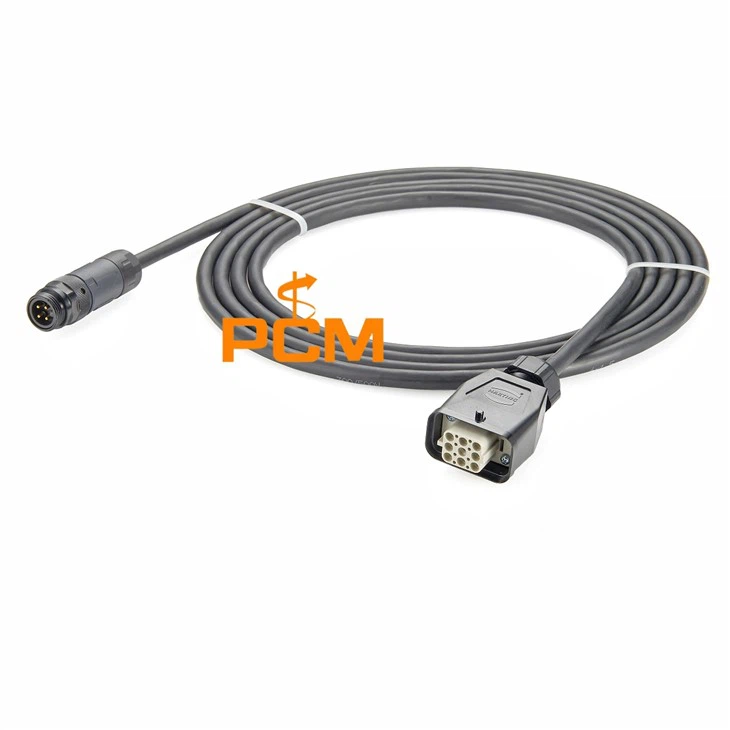

Choosing a suitable Devicenet adapter is a crucial decision for any industrial or automation project. As a Devicenet adapter supplier, I understand the challenges and considerations that come with this selection process. In this blog post, I will share some insights on how to choose the most appropriate Devicenet adapter for your specific needs.
Understanding Devicenet Technology
Before delving into the selection process, it's important to have a basic understanding of Devicenet technology. Devicenet is an open, network-based industrial communication protocol that allows devices such as sensors, actuators, and controllers to communicate with each other. It is widely used in industrial automation due to its simplicity, reliability, and cost-effectiveness.
Consider the Compatibility
The first step in choosing a Devicenet adapter is to ensure its compatibility with your existing devices and systems. This includes:
-
Device Compatibility: Check if the adapter is compatible with the type of devices you want to connect. Different devices may have specific communication requirements, so it's crucial to choose an adapter that can support these requirements. For example, if you have sensors that use a specific protocol, make sure the adapter can translate or support that protocol.
-
Network Compatibility: Consider the existing network infrastructure in your facility. The Devicenet adapter should be able to integrate seamlessly with your network, whether it's a wired or wireless network. Ensure that the adapter supports the network speed, topology, and communication standards of your network.
Evaluate the Performance
The performance of a Devicenet adapter is another important factor to consider. This includes:
-
Data Transfer Rate: The data transfer rate determines how quickly the adapter can transmit and receive data. A higher data transfer rate is generally preferred, especially for applications that require real-time data processing. However, it's important to balance the data transfer rate with the network load and the capabilities of your devices.
-
Reliability: In an industrial environment, reliability is key. Look for an adapter that is built to withstand harsh conditions, such as temperature variations, humidity, and electrical interference. A reliable adapter will minimize downtime and ensure the smooth operation of your system.
-
Latency: Latency refers to the time delay between the transmission and reception of data. Low latency is crucial for applications that require real-time control, such as robotics and motion control systems. Choose an adapter with low latency to ensure accurate and timely data transfer.
Assess the Features
Different Devicenet adapters come with various features that can enhance their functionality and usability. Some features to consider include:
-
Diagnostic Capabilities: An adapter with diagnostic capabilities can provide valuable information about the network status, device health, and communication errors. This can help you quickly identify and troubleshoot issues, reducing downtime and maintenance costs.


-
Configuration Options: Look for an adapter that offers flexible configuration options. This allows you to customize the adapter settings to meet the specific requirements of your application. For example, you may need to configure the communication parameters, such as baud rate and data format.
-
Expandability: If you plan to expand your system in the future, choose an adapter that supports expansion. This may include the ability to add additional devices or connect to other networks.
Compare the Cost
Cost is always a consideration when choosing any product. However, it's important to balance the cost with the performance and features of the adapter. A cheaper adapter may seem like a good option, but it may not provide the reliability and functionality you need. On the other hand, an expensive adapter may offer advanced features that you don't really need.
Consider the total cost of ownership, which includes the purchase price, installation cost, maintenance cost, and downtime cost. Look for an adapter that offers a good balance between cost and performance.
Review the Vendor
Finally, it's important to choose a reputable vendor for your Devicenet adapter. A good vendor will provide high-quality products, reliable technical support, and excellent customer service. Look for a vendor with a proven track record in the industry and positive customer reviews.
As a Devicenet adapter supplier, we are committed to providing our customers with the best products and services. We offer a wide range of Devicenet adapters, including NMEA 2000 Micro-Change To Mini-Change, DeviceNet Micro-Change To Mini-Change Cordset, and DeviceNet Cordset Adapter Cable M12 To 7/8″ 5 Pin. Our adapters are designed to meet the highest standards of quality and performance, and we offer technical support and training to ensure that our customers can use our products effectively.
If you have any questions or need help choosing a suitable Devicenet adapter, please feel free to contact us. We would be happy to assist you in making the right decision for your project.
Conclusion
Choosing a suitable Devicenet adapter requires careful consideration of various factors, including compatibility, performance, features, cost, and vendor reputation. By following the guidelines outlined in this blog post, you can select an adapter that meets your specific needs and provides reliable and efficient communication for your industrial or automation project.
References
- "Devicenet Technology Overview," Industrial Communication Association.
- "Choosing the Right Industrial Communication Adapter," Automation World.
- "Best Practices for Devicenet Network Design," Rockwell Automation.