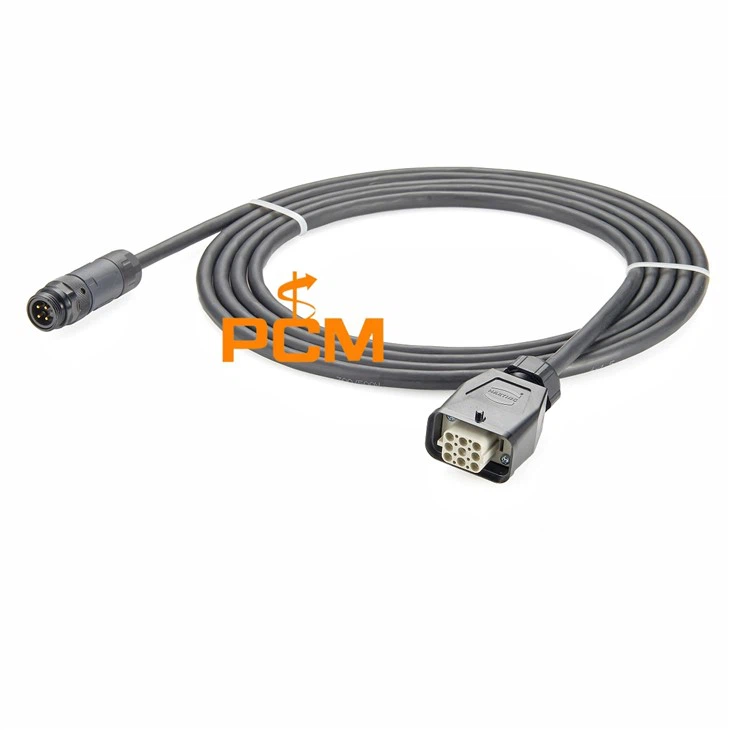

Hey there! As a supplier of m16 cable adapters, I've seen firsthand how these little gadgets can make a big difference in various applications. In this blog, I'm gonna share some tips on how to optimize the use of an m16 cable adapter.
Understanding the Basics of M16 Cable Adapters
First things first, let's get a quick rundown of what an m16 cable adapter is. An m16 cable adapter is a connector that's designed to link different devices together. It's commonly used in industries like automation, sensor technology, and communication systems. The "M16" refers to the size and thread type of the connector, which is standardized to ensure compatibility.
The M16 AISG And M16 Sensor Encoder Actuator Connector Cable Overview gives you a more detailed look at the different types of m16 cable adapters and their specific uses. There are various configurations, such as straight or angled connectors, different pin counts, and different cable lengths. Choosing the right one for your needs is crucial.
Selecting the Right M16 Cable Adapter
When it comes to picking an m16 cable adapter, there are a few key factors to consider.
Compatibility
The most important thing is to make sure the adapter is compatible with your devices. Check the pin configuration, voltage requirements, and the type of signal it can handle. For example, if you're using it for a sensor that requires a specific voltage, you need to ensure the adapter can support that. Also, consider the gender of the connector (male or female) and whether it matches the ports on your devices.
Environmental Conditions
Think about the environment where the adapter will be used. If it's going to be in a harsh industrial setting with a lot of dust, moisture, or vibrations, you'll need an adapter that's rugged and can withstand these conditions. Look for adapters with IP (Ingress Protection) ratings. A higher IP rating means better protection against dust and water.
Cable Length
The length of the cable matters too. You don't want it to be too short, as it might limit the placement of your devices. On the other hand, a cable that's too long can cause signal loss, especially for high - speed data transmission. Measure the distance between the devices and choose a cable length that's just right.
Installation and Setup
Once you've selected the right m16 cable adapter, it's time to install it.
Proper Connection
Make sure you connect the adapter correctly. Align the pins carefully and insert the connector firmly. If it's a screw - type connector, tighten it properly to ensure a secure connection. Loose connections can lead to intermittent signals or even complete signal loss.
Cable Management
Keep the cable organized. Use cable ties or clips to prevent the cable from getting tangled or damaged. This not only makes the setup look neater but also reduces the risk of accidental disconnections.


Testing
After installation, test the connection. Check if the devices are communicating properly. You can use diagnostic tools if available. If there are any issues, double - check the connections and make sure the adapter is functioning correctly.
Maintenance and Troubleshooting
To keep your m16 cable adapter working at its best, regular maintenance is essential.
Cleaning
Over time, dust and dirt can accumulate on the connector. Use a clean, dry cloth to gently wipe the connector. If there's stubborn dirt, you can use a small amount of isopropyl alcohol. Just make sure to let it dry completely before reconnecting.
Inspection
Periodically inspect the adapter for any signs of damage, such as bent pins or cracked cables. If you notice any damage, replace the adapter immediately to avoid further problems.
Troubleshooting Common Issues
If you're experiencing signal problems, first check the connections. Make sure the adapter is properly seated and the cable is not damaged. You can also try swapping the adapter with a known - working one to see if the problem persists. If the issue is related to a specific device, check the device's settings and make sure it's compatible with the adapter.
Advanced Optimization Techniques
For those who want to take their m16 cable adapter usage to the next level, here are some advanced techniques.
Shielding
If you're dealing with high - frequency signals or a noisy environment, consider using shielded cables. Shielding helps to reduce electromagnetic interference (EMI) and crosstalk, which can improve the signal quality.
Signal Conditioning
In some cases, you may need to use signal conditioning devices. These can amplify, filter, or convert the signal to make it more suitable for your devices. For example, if the signal from a sensor is too weak, a signal amplifier can boost it.
Customization
If your application has unique requirements, you can work with a manufacturer to customize an m16 cable adapter. This could involve special pin configurations, cable materials, or additional features.
Benefits of Optimizing M16 Cable Adapter Use
Optimizing the use of an m16 cable adapter has several benefits.
Improved Performance
A well - optimized adapter ensures reliable signal transmission, which leads to better performance of your devices. This is especially important in critical applications where any signal loss or interference can cause problems.
Cost Savings
By choosing the right adapter and maintaining it properly, you can avoid costly downtime and replacements. A durable and well - functioning adapter lasts longer, saving you money in the long run.
Enhanced Safety
Proper installation and maintenance of the adapter reduce the risk of electrical hazards. This is crucial in industrial and commercial settings where safety is a top priority.
Conclusion
So, there you have it! These are some tips on how to optimize the use of an m16 cable adapter. Whether you're a professional in the industry or a DIY enthusiast, following these guidelines can help you get the most out of your m16 cable adapter.
If you're interested in purchasing high - quality m16 cable adapters or have any questions about their use, feel free to reach out. We're here to help you find the perfect solution for your needs.
References
- General knowledge from years of experience as an m16 cable adapter supplier.
- Information from industry - standard documentation on cable connectors and related technologies.