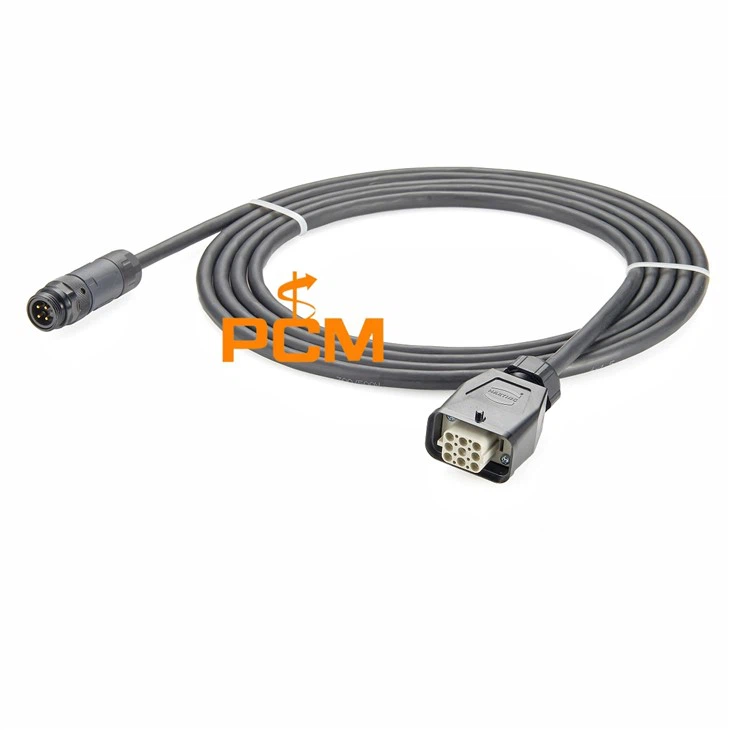

Hey there! As a supplier of m16 sensor actuator cables, I've seen firsthand how important it is to protect these cables from mechanical damage. These cables are crucial components in various industrial and automation systems, and any damage can lead to system failures, downtime, and increased maintenance costs. So, in this blog, I'm gonna share some tips on how to protect your m16 sensor actuator cables from mechanical damage.
Understanding the Risks of Mechanical Damage
Before we dive into the protection methods, let's first understand the common causes of mechanical damage to m16 sensor actuator cables.
Abrasion
One of the most common causes is abrasion. When cables rub against sharp edges, rough surfaces, or other moving parts, the outer insulation can wear down over time. This exposes the inner conductors, which can lead to short circuits or signal interference. For example, in a conveyor belt system, the cables may rub against the metal frame or other equipment, causing abrasion.
Impact
Cables can also be damaged by impact. A heavy object falling on the cable or a sudden jolt can cause the internal conductors to break or the insulation to crack. In a manufacturing environment, where there's a lot of heavy machinery and equipment moving around, the risk of impact damage is relatively high.
Bending and Twisting
Excessive bending or twisting of the cables can also cause damage. Each cable has a minimum bend radius, and if this radius is exceeded, the internal conductors can break or the insulation can be damaged. In applications where cables need to move or flex, such as in robotic arms, improper bending and twisting can quickly lead to cable failure.
Choosing the Right Cable
The first step in protecting your m16 sensor actuator cables is to choose the right cable for your application.
High - Quality Materials
Look for cables made from high - quality materials. A cable with a thick and durable outer insulation can better resist abrasion and impact. For example, cables with a polyurethane outer jacket are known for their excellent abrasion resistance and flexibility.
Proper Design
Make sure the cable is designed to withstand the specific environmental conditions of your application. If the cables will be exposed to chemicals, oils, or extreme temperatures, choose a cable that is resistant to these factors. Some cables are specifically designed for harsh industrial environments and can handle high temperatures, moisture, and chemical exposure.
We offer a wide range of m16 sensor actuator cables, such as the M16 Sensor Actuator Tri - valve Cable and the M16 Encoder Cable DIN 8 Pin, which are designed with high - quality materials and are suitable for various industrial applications.
Cable Routing and Installation
Proper cable routing and installation are essential for protecting m16 sensor actuator cables from mechanical damage.
Avoid Sharp Edges
When routing the cables, make sure to avoid sharp edges and corners. You can use cable clamps, cable trays, or conduit to guide the cables and keep them away from potential sources of abrasion. For example, in a control panel, use cable trays to organize and protect the cables.
Maintain the Bend Radius
During installation, always follow the manufacturer's recommended minimum bend radius. Use cable benders or other tools to ensure that the cables are bent correctly. If you're working with a cable that needs to flex, such as in a moving machine part, make sure to leave enough slack to allow for natural movement without exceeding the bend radius.
Secure the Cables
Secure the cables properly to prevent them from moving around. Loose cables are more likely to be damaged by abrasion, impact, or bending. Use cable ties or clamps to hold the cables in place at regular intervals. However, don't overtighten the cable ties, as this can also cause damage to the cable.
Using Protective Accessories
There are several protective accessories available that can help safeguard your m16 sensor actuator cables.
Cable Sleeves
Cable sleeves are a great way to add an extra layer of protection against abrasion and impact. They come in various materials, such as nylon, polyethylene, and silicone. A nylon cable sleeve is lightweight and flexible, making it suitable for applications where the cables need to move. A silicone sleeve, on the other hand, offers excellent heat resistance and can be used in high - temperature environments.
Conduit
Conduit is another effective way to protect cables. It provides a rigid enclosure that shields the cables from impact, abrasion, and environmental factors. Metal conduit is very strong and can protect cables from heavy impact, while PVC conduit is lightweight and corrosion - resistant. You can install the conduit along the cable route and then pull the cables through it.
Strain Relief
Strain relief devices are used to prevent damage to the cable at the connection points. They help distribute the stress caused by bending, pulling, or vibration, reducing the risk of conductor breakage at the cable ends. For m16 sensor actuator cables, you can use strain relief connectors, such as the M16 Sensor Actuator Cable Connector, which are designed to provide a secure and stress - free connection.
Regular Inspection and Maintenance
Even with the best protection measures in place, it's still important to conduct regular inspections and maintenance of your m16 sensor actuator cables.
Visual Inspection
Perform visual inspections on a regular basis. Look for signs of abrasion, cracking, or damage to the insulation. Check the cable connections to make sure they are tight and free of corrosion. If you notice any signs of damage, replace the cable immediately to prevent further problems.


Testing
Periodically test the cables to ensure they are functioning properly. You can use a multimeter to check the continuity of the conductors and the insulation resistance. In some applications, you may also need to perform signal integrity tests to ensure that the cables are transmitting signals accurately.
Training and Education
Finally, make sure your employees are trained on how to handle and maintain the m16 sensor actuator cables properly. Provide them with guidelines on cable routing, installation, and protection. Train them to recognize the signs of cable damage and how to respond in case of a cable failure. By educating your employees, you can significantly reduce the risk of mechanical damage to the cables.
Conclusion
Protecting your m16 sensor actuator cables from mechanical damage is crucial for the reliable operation of your industrial and automation systems. By choosing the right cable, installing it correctly, using protective accessories, and conducting regular inspections and maintenance, you can extend the lifespan of your cables and reduce the risk of system failures.
If you're in the market for high - quality m16 sensor actuator cables or need more information on cable protection, feel free to reach out. We're here to help you find the best solutions for your specific needs. Let's work together to ensure the smooth operation of your systems!
References
- Industrial Cable Installation Handbook
- Cable Manufacturer's Technical Documentation
- Automation and Control System Design Guides