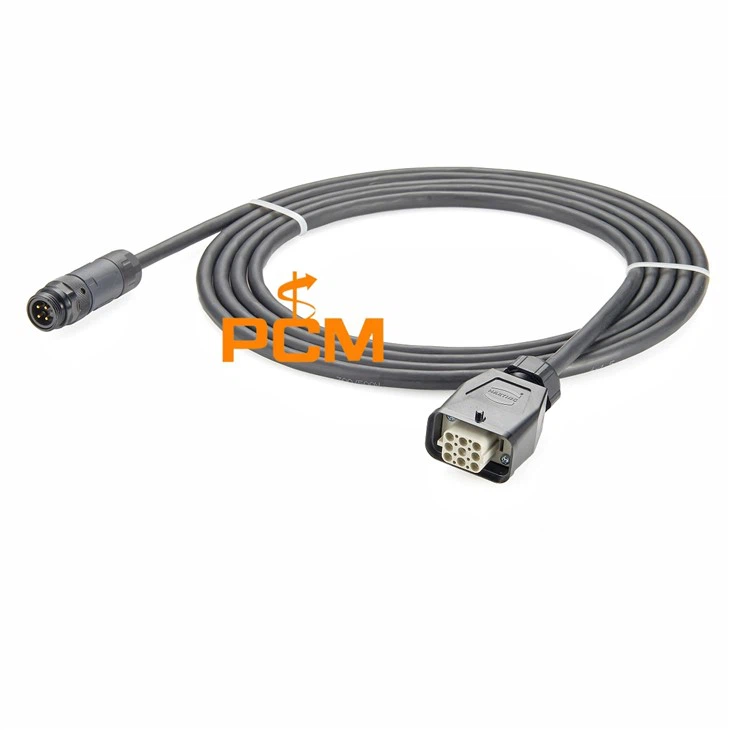

Recycling is a crucial aspect of sustainable business practices, especially in industries that deal with a significant amount of cable waste. As a supplier of m23 interbus cables, I understand the importance of responsible disposal and recycling. In this blog post, I will share some insights on how to recycle m23 interbus cables effectively.
Understanding M23 Interbus Cables
M23 interbus cables are widely used in industrial automation systems for data transmission and power supply. These cables are known for their durability and reliability, but like any other electronic component, they eventually reach the end of their life cycle. When this happens, it's essential to recycle them properly to minimize environmental impact.
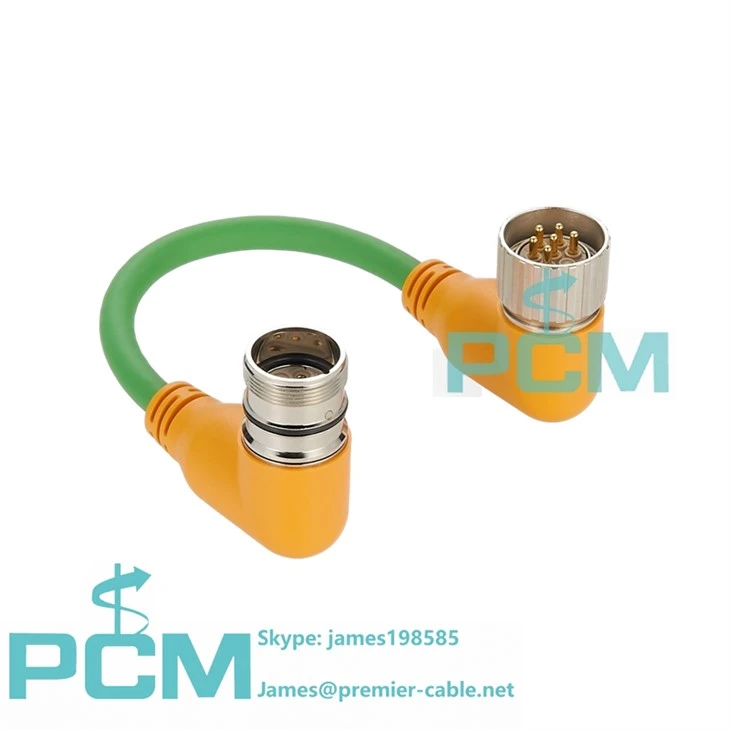
There are different types of m23 interbus cables, such as the Interbus-S Cable Male To Female M23 Connector, M23 Power Supply Cable for Remote Bus Module, and M23 Interbus Power Supply Cable. Each type has its own unique characteristics and recycling requirements.
Benefits of Recycling M23 Interbus Cables
Recycling m23 interbus cables offers several benefits, both for the environment and for businesses. Here are some of the key advantages:
- Environmental Protection: Recycling helps to reduce the amount of electronic waste that ends up in landfills. Electronic waste contains harmful substances such as lead, mercury, and cadmium, which can leach into the soil and water, posing a threat to human health and the environment. By recycling m23 interbus cables, we can prevent these pollutants from entering the ecosystem.
- Conservation of Resources: M23 interbus cables are made from valuable materials such as copper, aluminum, and plastic. Recycling these materials allows us to conserve natural resources and reduce the need for new raw materials extraction. This, in turn, helps to minimize the environmental impact associated with mining and manufacturing processes.
- Cost Savings: Recycling can also result in cost savings for businesses. Instead of purchasing new cables, companies can reuse recycled materials, which are often more affordable. Additionally, recycling can help to reduce waste disposal costs, as many recycling facilities offer competitive pricing for electronic waste collection and processing.
Steps to Recycle M23 Interbus Cables
Recycling m23 interbus cables involves several steps, from collection to processing. Here's a general overview of the recycling process:
1. Collection
The first step in recycling m23 interbus cables is to collect them from various sources. This can include industrial facilities, manufacturing plants, and electronic waste collection centers. It's important to ensure that the cables are properly labeled and separated from other types of waste to facilitate the recycling process.
2. Sorting
Once the cables are collected, they need to be sorted based on their type and material composition. This step is crucial as different types of cables may require different recycling methods. For example, cables with different insulation materials may need to be processed separately to ensure the quality of the recycled materials.
3. Shredding
After sorting, the cables are typically shredded into small pieces. Shredding helps to increase the surface area of the cables, making it easier to separate the different components. This process also helps to remove any contaminants or impurities from the cables.
4. Separation
The shredded cables are then subjected to a separation process to isolate the different materials. This can be done using various techniques, such as mechanical separation, magnetic separation, and chemical separation. The goal is to separate the copper, aluminum, plastic, and other materials for further processing.

5. Refining
Once the materials are separated, they are refined to remove any remaining impurities and to purify them. This process involves melting the metals and treating the plastic to make it suitable for reuse. The refined materials can then be used to manufacture new products, such as cables, wires, and other electronic components.
Finding a Recycling Partner
To ensure that m23 interbus cables are recycled properly, it's important to find a reliable recycling partner. Here are some tips to help you choose the right recycling company:
- Certifications and Compliance: Look for a recycling company that is certified and compliant with relevant environmental regulations. This ensures that the company follows proper recycling practices and meets the required standards for waste management.
- Experience and Expertise: Choose a recycling company that has experience in recycling electronic waste, especially m23 interbus cables. An experienced company will have the necessary equipment and expertise to handle the recycling process efficiently and safely.
- Services Offered: Consider the services offered by the recycling company. Some companies may offer additional services such as collection, transportation, and documentation. These services can make the recycling process more convenient and hassle-free for your business.
- Reputation and References: Check the company's reputation and ask for references from other businesses that have used their services. This can give you an idea of the company's reliability and quality of service.
Promoting Sustainable Practices
As a supplier of m23 interbus cables, I am committed to promoting sustainable practices in the industry. In addition to recycling, there are several other ways that businesses can reduce their environmental impact:
- Reduce Waste Generation: Encourage your customers to reduce waste generation by using cables more efficiently. This can include proper installation, maintenance, and repair of cables to extend their lifespan.
- Reuse and Refurbish: Consider reusing or refurbishing old cables whenever possible. This can help to reduce the demand for new cables and minimize waste generation.
- Educate Customers: Educate your customers about the importance of recycling and sustainable practices. Provide them with information on how to recycle m23 interbus cables and other electronic waste properly.
Conclusion
Recycling m23 interbus cables is an important step towards a more sustainable future. By following the steps outlined in this blog post and partnering with a reliable recycling company, businesses can reduce their environmental impact, conserve natural resources, and save costs. As a supplier of m23 interbus cables, I am dedicated to helping my customers recycle their cables responsibly. If you are interested in learning more about our products or recycling services, please feel free to contact me. Let's work together to make a positive difference for the environment.
References
- EPA. (n.d.). Electronic Recycling. Retrieved from https://www.epa.gov/recycle/electronic-recycling
- IEEE. (n.d.). Sustainable Electronics. Retrieved from https://spectrum.ieee.org/sustainable-electronics