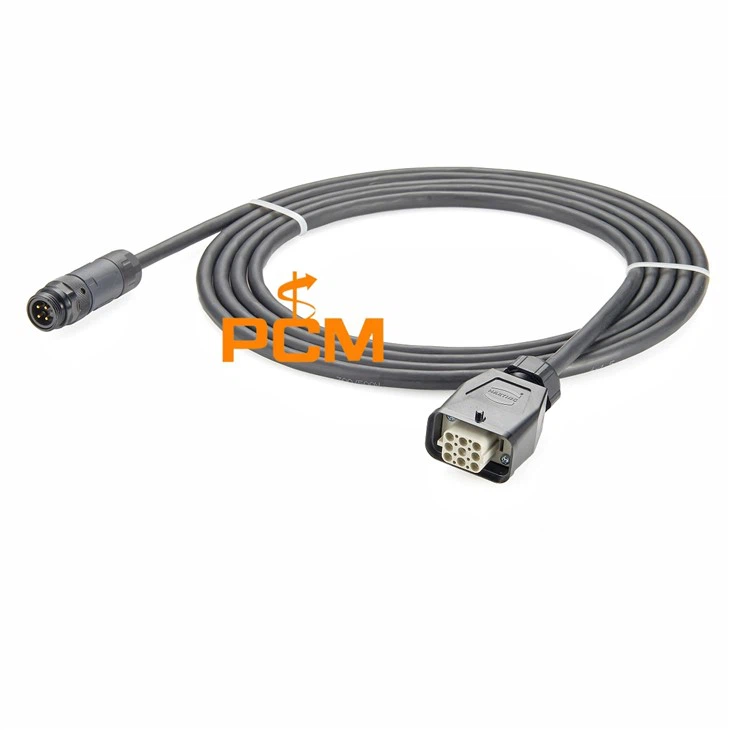

As a supplier of M12 tee split connectors, I've witnessed firsthand the growing importance of RoHS compliance in the industry. RoHS, which stands for Restriction of Hazardous Substances, is a directive that restricts the use of specific hazardous materials in electrical and electronic equipment. In this blog, I'll explore what RoHS compliance means for M12 tee split connectors and why it's crucial for both suppliers and customers.
Understanding RoHS Compliance
The RoHS directive was initially introduced in 2003 by the European Union to protect the environment and human health from the potential risks associated with hazardous substances in electronic products. The directive restricts the use of six hazardous materials: lead (Pb), mercury (Hg), cadmium (Cd), hexavalent chromium (CrVI), polybrominated biphenyls (PBBs), and polybrominated diphenyl ethers (PBDEs). In 2015, four additional substances - bis(2-ethylhexyl) phthalate (DEHP), butyl benzyl phthalate (BBP), dibutyl phthalate (DBP), and diisobutyl phthalate (DIBP) - were added to the list.
For M12 tee split connectors, RoHS compliance means that the connectors are manufactured without using any of the restricted substances above the specified limits. This ensures that the connectors are environmentally friendly and safe for use in various applications.
Why RoHS Compliance Matters for M12 Tee Split Connectors
Environmental Protection
One of the primary reasons for RoHS compliance is to protect the environment. When electronic products containing hazardous substances are discarded, these substances can leach into the soil and water, causing pollution and harming the ecosystem. By using RoHS-compliant M12 tee split connectors, manufacturers can reduce the environmental impact of their products and contribute to a more sustainable future.
Health and Safety
Hazardous substances such as lead, mercury, and cadmium can have severe health effects on humans. Exposure to these substances can cause neurological damage, kidney failure, and other serious health problems. RoHS compliance ensures that M12 tee split connectors are safe for use by workers during installation and maintenance, as well as for end-users.
Market Access
Many countries and regions around the world have adopted RoHS-like regulations. For example, China, South Korea, and California in the United States have their own versions of RoHS. By offering RoHS-compliant M12 tee split connectors, suppliers can access a wider market and meet the regulatory requirements of different countries.
Corporate Social Responsibility
In today's society, consumers and businesses are increasingly concerned about corporate social responsibility. By manufacturing RoHS-compliant products, suppliers demonstrate their commitment to environmental protection and social well-being, which can enhance their brand image and reputation.
Ensuring RoHS Compliance in M12 Tee Split Connectors
Material Selection
The first step in ensuring RoHS compliance is to carefully select the materials used in the manufacturing of M12 tee split connectors. Suppliers need to work closely with their raw material suppliers to ensure that all materials, including plastics, metals, and coatings, are RoHS-compliant. This may involve requesting material safety data sheets (MSDS) and conducting independent testing if necessary.
Manufacturing Processes
During the manufacturing process, it's essential to prevent cross-contamination between RoHS-compliant and non-compliant materials. Suppliers should implement strict quality control measures to ensure that all manufacturing equipment is properly cleaned and maintained. Additionally, regular audits and inspections should be conducted to verify compliance.
Testing and Certification
To prove RoHS compliance, M12 tee split connectors need to undergo testing by accredited laboratories. These tests typically involve analyzing the connectors for the presence of restricted substances using techniques such as X-ray fluorescence (XRF) and inductively coupled plasma mass spectrometry (ICP-MS). Once the connectors pass the tests, suppliers can obtain RoHS certification, which serves as evidence of compliance.
Our RoHS-Compliant M12 Tee Split Connectors
At our company, we are committed to providing high-quality, RoHS-compliant M12 tee split connectors. Our product range includes S-Coded M12 Circular Tee Connector, M12 Power Connector T-code with Cable, and PCM Cable M12 Series T Coded M12 Connector.
We source our raw materials from trusted suppliers and conduct rigorous testing to ensure that all our connectors meet the RoHS requirements. Our manufacturing processes are designed to minimize the environmental impact, and we continuously invest in research and development to improve the performance and sustainability of our products.
Conclusion
RoHS compliance is not only a regulatory requirement but also a moral obligation for suppliers of M12 tee split connectors. By ensuring RoHS compliance, we can protect the environment, safeguard human health, access global markets, and enhance our corporate social responsibility.
If you're in the market for high-quality, RoHS-compliant M12 tee split connectors, we'd love to hear from you. Whether you have specific requirements or need technical advice, our team of experts is ready to assist you. Contact us today to start a conversation about your procurement needs and find the best solutions for your projects.


References
- European Union Directive 2011/65/EU on the restriction of the use of certain hazardous substances in electrical and electronic equipment (RoHS 2)
- European Union Directive (EU) 2015/863 amending Annex II to Directive 2011/65/EU as regards the restriction of the use of certain hazardous substances in electrical and electronic equipment (RoHS 3)