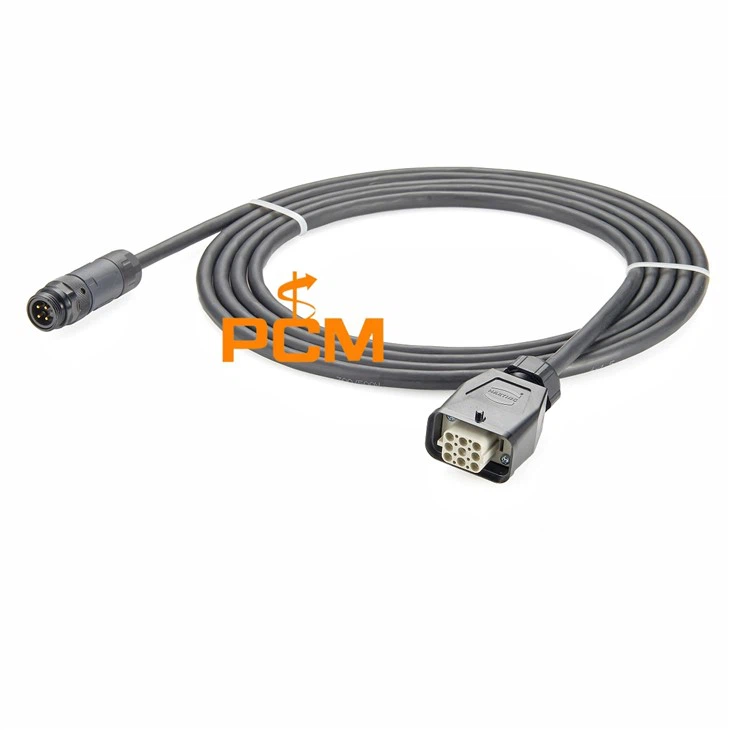

When it comes to the industrial automation field, DeviceNet trunk cables play a vital role in establishing reliable communication networks. As a seasoned supplier of DeviceNet trunk cables, I've been asked countless times about the price of these cables. In this blog, I'll delve into the factors that influence the price of DeviceNet trunk cables and provide some insights to help you understand the cost structure.
Understanding DeviceNet Trunk Cables
Before discussing the price, it's essential to understand what DeviceNet trunk cables are and their significance in industrial settings. DeviceNet is an open, low - cost communication network that connects industrial devices such as sensors, actuators, and controllers. The trunk cable is the main backbone of the DeviceNet network, carrying data between different nodes.
These cables are designed to withstand harsh industrial environments, including exposure to chemicals, extreme temperatures, and mechanical stress. They come in various types, lengths, and configurations to meet the diverse needs of different applications.
Factors Affecting the Price of DeviceNet Trunk Cables
1. Cable Material
The material used in the construction of the cable is one of the primary factors influencing its price. High - quality materials, such as copper conductors with excellent conductivity and durable insulation materials, are more expensive. For example, cables with a thick copper core can provide better signal transmission and are less prone to interference, but they also cost more than those with a thinner core.
2. Cable Length
The length of the cable is another significant factor. Longer cables require more raw materials and more complex manufacturing processes, which naturally increase the cost. In addition, longer cables may need additional shielding to maintain signal integrity, further adding to the price.
3. Shielding
Shielding is crucial in industrial environments to protect the cable from electromagnetic interference (EMI). Cables with better shielding, such as double - shielded or foil - shielded cables, are more expensive than unshielded ones. The type of shielding material and the quality of the shielding design also affect the price.
4. Connector Type
The connectors used on the cable are also important. High - quality connectors ensure a reliable connection and are designed to withstand repeated plugging and unplugging. Specialized connectors, such as the Mini - Change T - Splitter Circular Connector Cable, which are designed for specific applications, may be more expensive due to their unique design and functionality.
5. Brand and Quality
Well - known brands often charge a premium for their products because they have a reputation for quality and reliability. These brands typically invest more in research and development, quality control, and customer service, which is reflected in the price. However, it's important to note that a higher price doesn't always guarantee better quality, and there are also many reliable and cost - effective options available from lesser - known brands.
Price Range of DeviceNet Trunk Cables
The price of DeviceNet trunk cables can vary widely depending on the factors mentioned above. Generally, basic unshielded cables with standard connectors and shorter lengths can start from around $10 - $20 per meter. On the other hand, high - quality, shielded cables with specialized connectors and longer lengths can cost upwards of $50 - $100 per meter or even more.
For example, a simple DeviceNet trunk cable with a length of 5 meters, a basic copper conductor, and unshielded insulation may cost around $50 - $100. In contrast, a 20 - meter double - shielded cable with high - quality connectors, such as the DeviceNet Mini Trunk Cordset Thick Cable 7/8 - 16UN2 Connector, could cost $500 - $1000 or more.
Additional Components and Their Impact on Price
In addition to the trunk cable itself, there are other components that are often used in a DeviceNet network, such as terminator resistors. The DeviceNet Trunk Mini - C Terminator Resistor is an important component that helps to ensure proper signal termination and prevent signal reflection. These terminators also come at a cost, which can range from a few dollars to tens of dollars depending on their quality and specifications.
How to Choose the Right DeviceNet Trunk Cable at a Reasonable Price
When selecting a DeviceNet trunk cable, it's important to balance cost and quality. Here are some tips:
1. Define Your Requirements
First, clearly define your application requirements, including the length of the cable, the level of shielding needed, and the type of connectors required. This will help you narrow down your options and avoid over - or under - investing in the cable.


2. Compare Brands and Suppliers
Don't just settle for the first cable you find. Compare different brands and suppliers to get the best value for your money. Look for suppliers with a good reputation for quality and customer service.
3. Consider Long - Term Costs
While it may be tempting to choose the cheapest cable available, it's important to consider the long - term costs. A high - quality cable may cost more upfront but can save you money in the long run by reducing maintenance and replacement costs.
Contact Us for Your DeviceNet Trunk Cable Needs
If you're in the market for DeviceNet trunk cables or related components, we're here to help. As a professional supplier, we offer a wide range of high - quality products at competitive prices. Our team of experts can assist you in selecting the right cable for your specific application and provide you with detailed product information and pricing. Whether you need a simple cable or a complex network solution, we have the expertise and resources to meet your needs. Reach out to us to start the procurement discussion and take the first step towards a reliable and efficient industrial communication network.
References
- "Industrial Communication Networks: DeviceNet Specification", published by the Open DeviceNet Vendor Association (ODVA).
- "Cable Design and Installation Handbook", a comprehensive guide on cable design and installation in industrial environments.