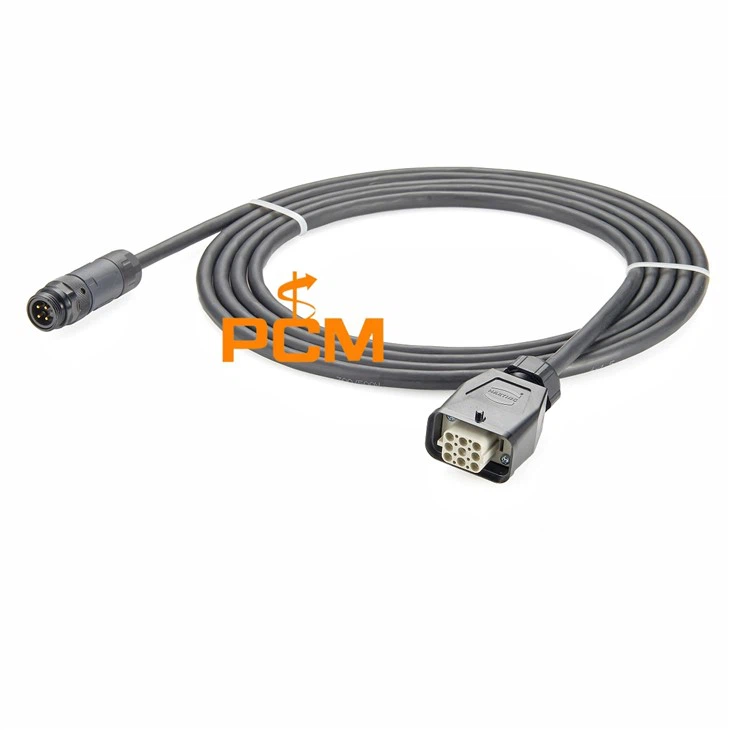

When it comes to CAN bus cable connectors, one of the most critical factors that often gets overlooked is the temperature range. As a seasoned CAN bus cable connector supplier, I've seen firsthand how temperature can significantly impact the performance and longevity of these connectors. In this blog post, I'll delve into the ideal temperature range for CAN bus cable connectors, why it matters, and how to ensure your connectors are operating within the optimal conditions.
Understanding the Basics of CAN Bus Cable Connectors
Before we dive into the temperature range, let's quickly recap what CAN bus cable connectors are and what they do. The Controller Area Network (CAN) bus is a robust vehicle bus standard designed to allow microcontrollers and devices to communicate with each other in applications without a host computer. CAN bus cable connectors are the physical interfaces that enable the connection between different CAN devices, ensuring reliable data transmission.
These connectors come in various types and configurations, each with its own set of specifications and requirements. Some of the common types of CAN bus cable connectors include CANopen Cable Pur Jacket M12 A-Code, CANopen Bus Connector SUB-D9 35 Degree, and CANopen D-sub Connector M12.
The Ideal Temperature Range for CAN Bus Cable Connectors
The temperature range for CAN bus cable connectors typically falls between -40°C to 85°C. This range is considered ideal because it allows the connectors to operate efficiently and reliably under a wide variety of environmental conditions.
- Lower Temperature Limit (-40°C): At extremely low temperatures, the materials used in the connectors can become brittle, which may lead to cracking or breakage. This can compromise the electrical connection and result in signal loss or interference. Additionally, low temperatures can cause the lubricants in the connectors to thicken, making it difficult to insert or remove the connectors properly.
- Upper Temperature Limit (85°C): High temperatures can have a detrimental effect on the performance of CAN bus cable connectors. As the temperature rises, the electrical resistance of the conductors increases, which can lead to voltage drops and signal attenuation. This can result in errors in data transmission and a decrease in the overall reliability of the CAN bus system. Moreover, high temperatures can cause the insulation materials to degrade, increasing the risk of short circuits and electrical failures.
Why Temperature Range Matters
Maintaining the connectors within the recommended temperature range is crucial for several reasons:
- Reliability: Operating the connectors within the specified temperature range ensures consistent and reliable data transmission. This is especially important in applications where the integrity of the data is critical, such as automotive, industrial automation, and aerospace.
- Longevity: Exposure to extreme temperatures can significantly reduce the lifespan of the connectors. By keeping the connectors within the optimal temperature range, you can extend their使用寿命 and reduce the need for frequent replacements.
- Performance: Temperature variations can affect the electrical properties of the connectors, such as resistance, capacitance, and inductance. By maintaining a stable temperature environment, you can ensure that the connectors perform at their best and meet the required specifications.
Factors Affecting Temperature Range
Several factors can influence the temperature range of CAN bus cable connectors, including:


- Environmental Conditions: The ambient temperature, humidity, and altitude can all impact the operating temperature of the connectors. For example, in hot and humid environments, the connectors may be exposed to higher temperatures and moisture, which can accelerate the degradation of the materials.
- Installation Location: The location where the connectors are installed can also affect their temperature. Connectors installed near heat sources, such as engines or motors, may be exposed to higher temperatures than those installed in cooler areas.
- Power Dissipation: The amount of power dissipated by the connectors can generate heat, which can increase the temperature of the connectors. This is particularly important in high-power applications where the connectors may need to handle large currents.
Tips for Maintaining Optimal Temperature
To ensure that your CAN bus cable connectors operate within the recommended temperature range, consider the following tips:
- Proper Installation: Install the connectors in a location that is away from heat sources and provides adequate ventilation. Avoid installing the connectors in enclosed spaces or areas where they may be exposed to direct sunlight.
- Thermal Management: Use thermal management techniques, such as heat sinks or fans, to dissipate heat from the connectors. This can help to keep the temperature of the connectors within the acceptable range.
- Monitoring: Regularly monitor the temperature of the connectors using temperature sensors or thermal imaging cameras. This can help you to detect any potential issues early and take appropriate action to prevent damage to the connectors.
- Quality Connectors: Choose high-quality CAN bus cable connectors that are designed to withstand a wide range of temperatures. Look for connectors that are made from materials that have good thermal properties and are resistant to heat and cold.
Conclusion
In conclusion, understanding the temperature range for CAN bus cable connectors is essential for ensuring the reliability, longevity, and performance of your CAN bus system. By maintaining the connectors within the recommended temperature range and taking appropriate measures to manage heat, you can minimize the risk of electrical failures and ensure that your system operates smoothly.
If you're in the market for high-quality CAN bus cable connectors, I encourage you to reach out to us. We are a leading supplier of CAN bus cable connectors, offering a wide range of products to meet your specific needs. Our connectors are designed to withstand extreme temperatures and provide reliable performance in even the most challenging environments. Contact us today to discuss your requirements and explore how we can help you find the perfect solution for your CAN bus system.
References
- Bosch, "CAN Specification 2.0," Robert Bosch GmbH, 1991.
- ISO 11898-1:2015, "Road vehicles — Controller area network (CAN) — Part 1: Data link layer and physical signalling," International Organization for Standardization, 2015.
- SAE J1939-11:2011, "Road vehicles — Serial control and communications heavy duty vehicle network — Physical layer: Twisted pair wire," Society of Automotive Engineers, 2011.