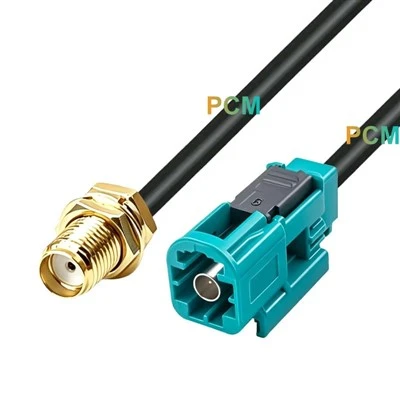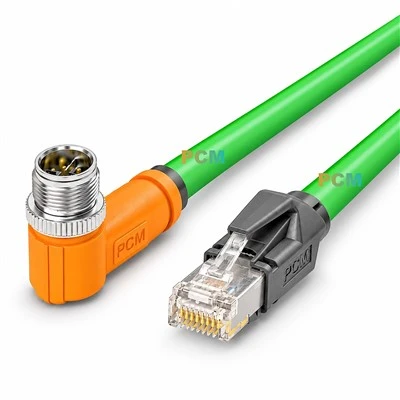
The application of Septic System Sensor Cable in septic tanks is mainly to monitor and manage the operating status of septic tanks. Here are some key applications and benefits:

- Liquid level monitoring: The sensor cable can be connected to the liquid level sensor to monitor the height of the liquid in the septic tank. By monitoring the liquid level in real time, the septic tank can be prevented from overfilling and causing overflow or system failure.
- Temperature monitoring: The temperature sensor can detect temperature changes in the septic tank to ensure that the system operates within the optimal temperature range. This is essential for the activity of microorganisms and the efficiency of the septic process.
- Gas monitoring: The sensor cable can be connected to the gas sensor to detect the concentration of harmful gases in the septic tank, such as methane and hydrogen sulfide, to ensure safety and prevent gas accumulation.


- Fault warning: Through the data transmitted by the sensor cable, the system can analyze the status of the septic tank in real time, and issue an alarm when abnormal conditions occur (such as excessive liquid level, abnormal temperature, or excessive harmful gas), and take timely measures.
- Remote monitoring: The sensor cable can be connected to the remote monitoring system, allowing operators to view the operating status of the septic tank in real time through the network, conduct remote management and maintenance, and reduce the frequency and cost of on-site inspections.
- Data Logging and Analysis: Data collected by sensors can be recorded and analyzed over long periods of time to help optimize septic tank design and operation, improve treatment efficiency and extend system life.


Features of Septic System Sensor Cable
- Corrosion resistance: The environment in a septic tank is highly corrosive, and the sensor cable needs to have good corrosion resistance to ensure long-term reliable operation.
- Waterproofness: The cable must have excellent waterproof performance to prevent liquid penetration and cause electrical failure.
- Flexibility and durability: The cable needs to have a certain degree of flexibility to facilitate installation in complex environments, while also having good durability to withstand the physical and chemical stresses in the septic tank.
- High and low temperature adaptability: The cable needs to be able to work normally under the extreme temperature conditions in the septic tank to ensure the accuracy and stability of the sensor data.