
1. CAN Bus (Controller Area Network Bus)
Introduction: CAN Bus is a serial communication protocol for communication between controllers in embedded systems, widely used in automotive and industrial control systems. It has a multi-master node architecture that allows devices to communicate directly without a central controller.
Key features:
Multi-master architecture: multiple devices can send data at the same time without conflict.
High real-time performance: very suitable for data exchange that requires high real-time performance.
Error detection mechanism: built-in powerful error detection and correction functions to ensure the reliability of data transmission.
Application scenarios: automotive electronic systems (such as engine control, airbag systems), industrial automation.
2. CANOpen
Introduction: CANOpen is a high-level communication protocol and device profile based on CAN Bus, mainly used in automation control systems. It provides a standardized framework for communication between industrial devices.
Key features:
Flexible node configuration: allows nodes to be added and removed dynamically.
Support real-time data transmission: suitable for high-precision, real-time data exchange in industrial control.
Device management: provides fault diagnosis and device configuration management functions.
Application scenarios: industrial automation, medical equipment, building automation systems.
3. CC-Link (Control & Communication Link)
Introduction: CC-Link is a fieldbus protocol for automation control developed by Mitsubishi Electric and widely used in factory automation environments in Asia. It supports high-speed, large-volume data transmission.
Key features:
High-speed communication: supports data transmission rates up to 10 Mbps, suitable for large-scale industrial networks.
Strong real-time performance: supports synchronous control, suitable for real-time control and monitoring.
Multiple device support: widely compatible with multiple devices such as PLC and HMI.
Application scenarios: factory automation, production line control, robot control systems.
4. DeviceNet
Introduction: DeviceNet is an industrial network protocol based on CAN Bus, commonly used in the field of factory automation, supporting device-level communication and control.
Key features:
Device-level communication: allows sensors, actuators and other devices to communicate directly, reducing the burden on the control layer.
High reliability based on CAN: inherits the high real-time performance and reliability of CAN.
Plug and play: supports automatic detection and configuration of devices, reducing setup time.
Application scenarios: connection between sensors and actuators, factory automation systems, logistics and transportation systems.
5. DMX512
Introduction: DMX512 is a protocol for communication between stage lighting and special effects equipment, and is widely used in lighting control systems in the entertainment industry.
Key features:
Multi-device control: Up to 512 devices can be controlled through a single bus.
Strong real-time performance: Supports fast switching of device status, suitable for real-time control of stage lighting.
High stability: Strong anti-interference during transmission, adaptable to complex performance environments.
Application scenarios: stage lighting control, architectural lighting, special effects equipment control.
6. Modbus
Introduction: Modbus is a simple and reliable communication protocol that is commonly used in industrial control systems, especially data transmission between PLCs, sensors and actuators. It supports the master/slave architecture.
Key features:
Easy to use: Simple structure, easy to implement and configure.
Supports multiple transmission methods: including RTU (serial) and TCP (network).
Widely compatible: Supported by a variety of industrial devices, widely used in industrial automation.
Application scenarios: industrial automation, building control, energy management, process control.
7. NMEA 2000
Introduction: NMEA 2000 is a communication protocol designed specifically for maritime equipment and is used for data exchange between onboard equipment. It is based on CAN Bus and is used to connect equipment such as navigators, GPS, depth gauges, etc.
Key features:
Maritime-specific: Designed for offshore environments, suitable for harsh conditions such as humidity and vibration.
Multi-node support: Allows multiple devices to interconnect and provide comprehensive ship status information.
Standardized data format: Ensures interoperability of equipment from different brands.
Application scenarios: Ship navigation, marine equipment monitoring, ship automation systems.
8. Profibus (Process Field Bus)
Introduction: Profibus is a standard communication protocol for factory automation that supports high-speed data transmission and field equipment control. It is divided into two types: Profibus DP for fast device communication and Profibus PA for process automation.
Key features:
Real-time data transmission: Supports high-speed, real-time data exchange, suitable for industrial control environments.
Multi-device support: Allows up to 126 devices to connect to the same network, widely used in large-scale factory networks.
Powerful diagnostic functions: Supports equipment status monitoring and fault detection.
Application scenarios: factory automation, process control, production monitoring.
9. Profibus PA (Process Automation)
Introduction: Profibus PA is a variant of Profibus, specifically used in process automation systems. It supports the connection of sensors and actuators, and is suitable for occasions with high safety and environmental requirements.
Key features:
Intrinsic safety: suitable for use in explosive environments and harsh industrial conditions.
Low speed and high precision: more suitable for slow process monitoring systems to ensure accurate data transmission.
Long distance transmission: suitable for the connection of long-distance sensors and actuators.
Application scenarios: industrial process control such as petrochemicals, chemicals, pharmaceuticals, food and beverages.
Summary:
The above communication protocols cover multiple fields from automobiles, industrial automation to entertainment, maritime, etc. They provide efficient data transmission methods to meet the special needs of their respective fields. Different protocols provide different real-time, reliability, security and equipment compatibility according to the different characteristics of the application scenarios. Choosing a suitable communication protocol can improve system efficiency and ensure the accuracy and stability of data transmission.
What are the communication protocols?
Popular Products
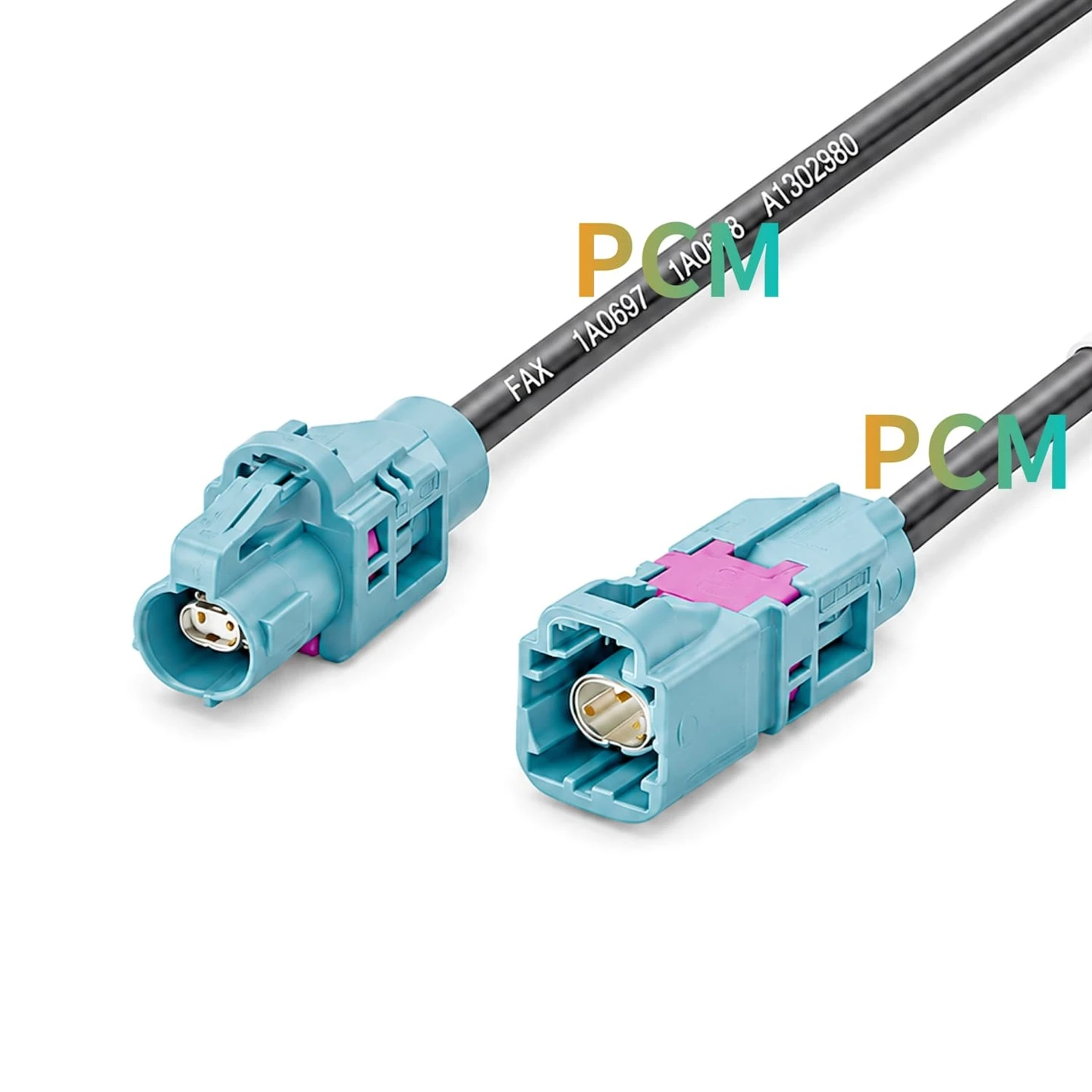
Rosenberger LCA-102-1000-Z-Z Cable
Discover the Rosenberger H-MTD LCA-102 automotive high-speed cable assembly from Premier Cable. Featuring E6K10A-1CAZ5
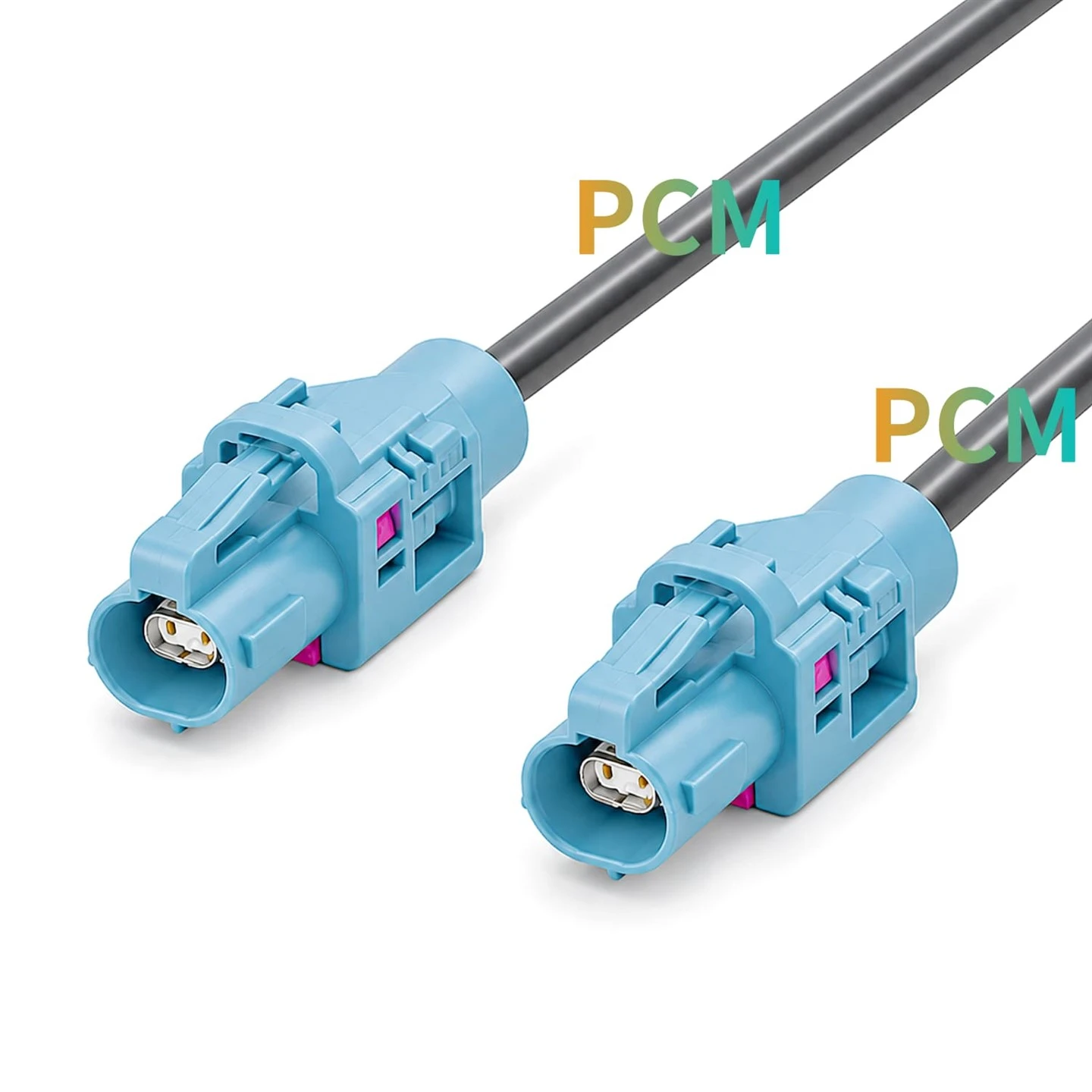
LCA-101-1000-Z-Z Cable
Premier Cable offers Rosenberger H-MTD automotive high speed cable assemblies featuring E6K10A-1CAZ5 connectors,
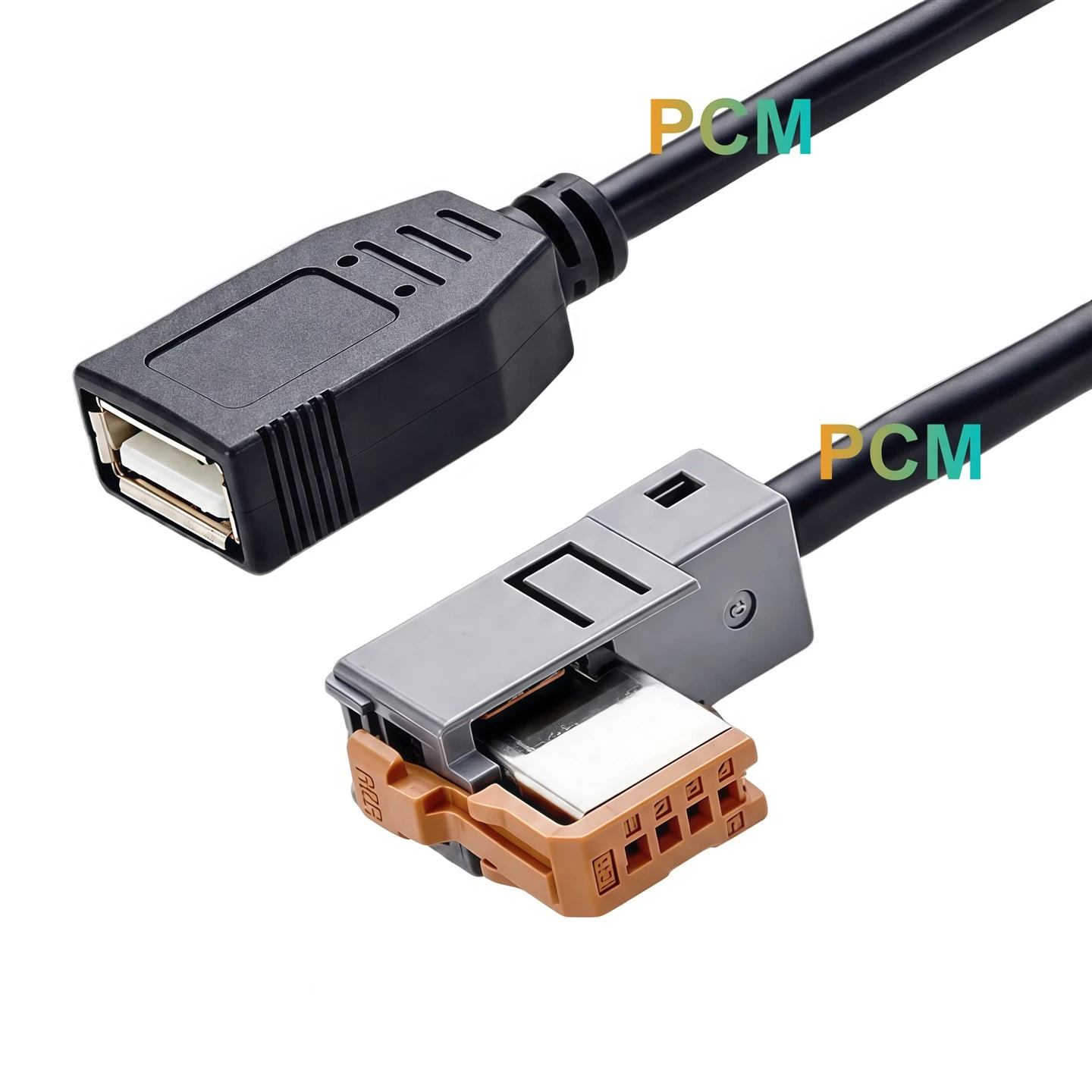
Hirose GT17H-4S-2C(A) To USB 2.0 Cable
PCM-ZC-0256 connects a USB2.0 Type A Female socket to a Hirose GT17H-4S-2C(A) connector fitted with GT17HS-4S-HU
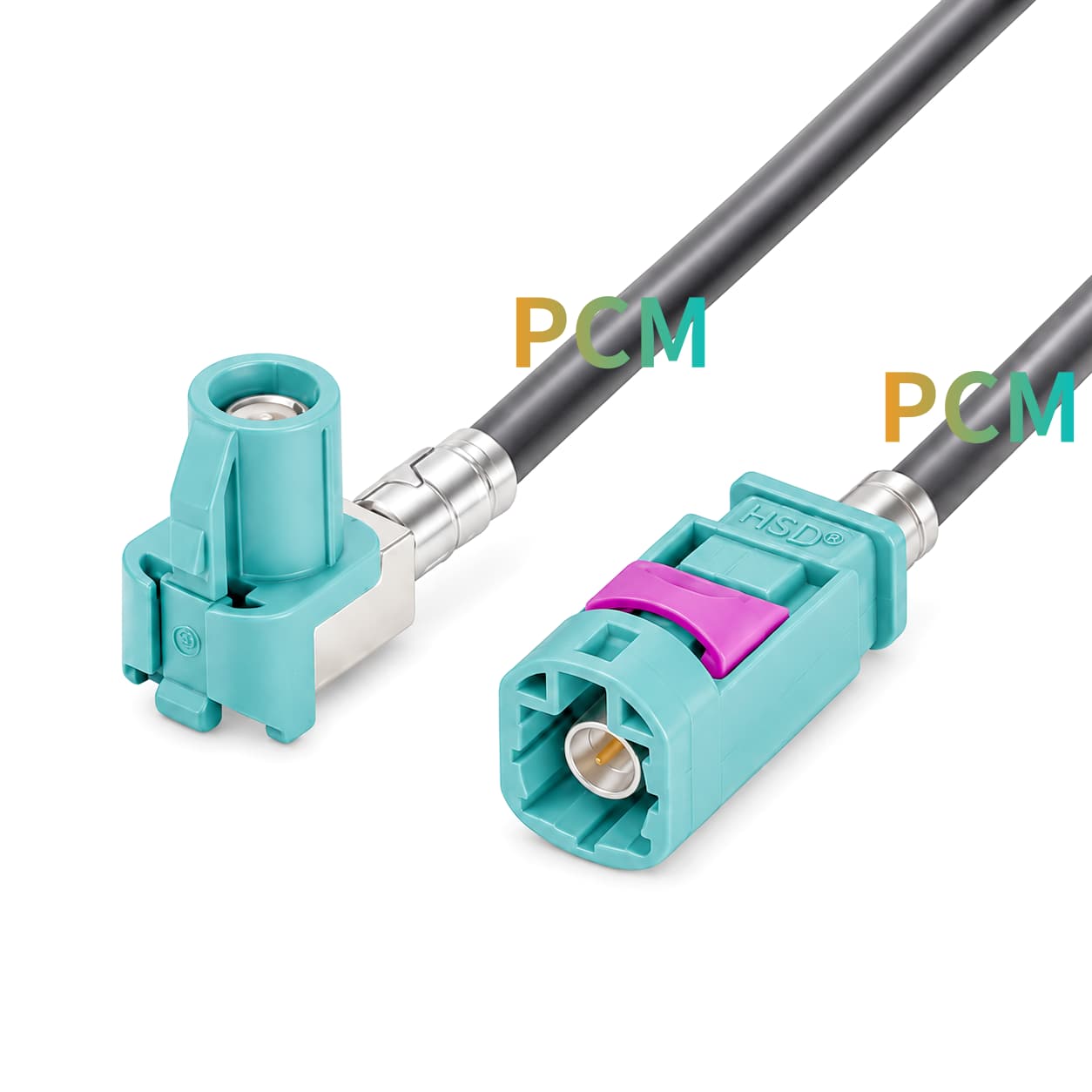
LAF-213-1500-Z-Z Cable
The product is a Rosenberger HSD automotive cable assembly featuring a Dacar 566 four core shielded cable, with a

Hirose GT17H-4S-2C To USB 2.0 Cable
PCM-ZC-0255 connects a USB 2.0 Type A Female socket to a Hirose GT17H-4S-2C connector with GT17HS-4S-HU shell. Its
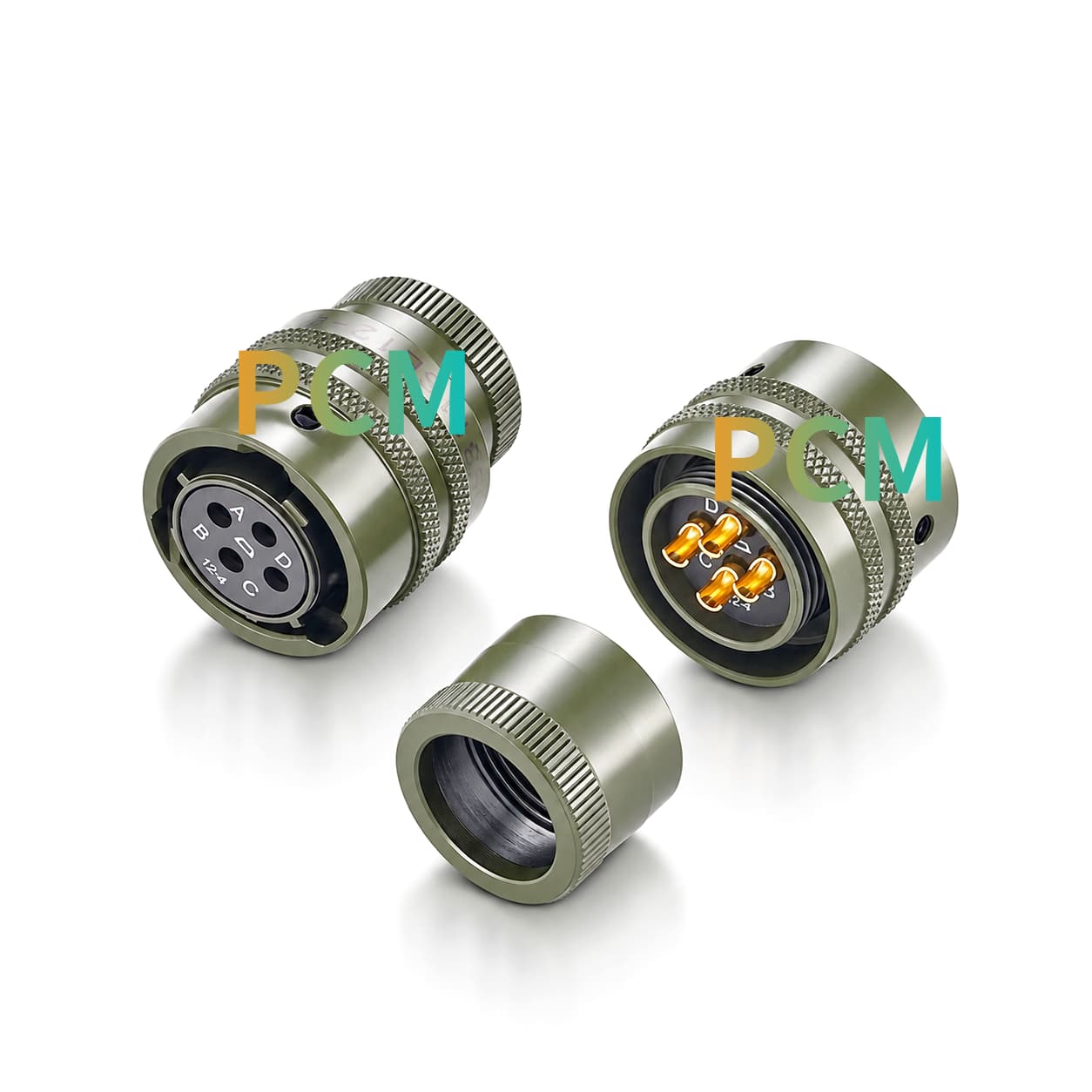
MS3116E12-4S Connector
The MS3116E12-4S is a 4-position circular electrical connector designed for industrial control, electronic equipment,