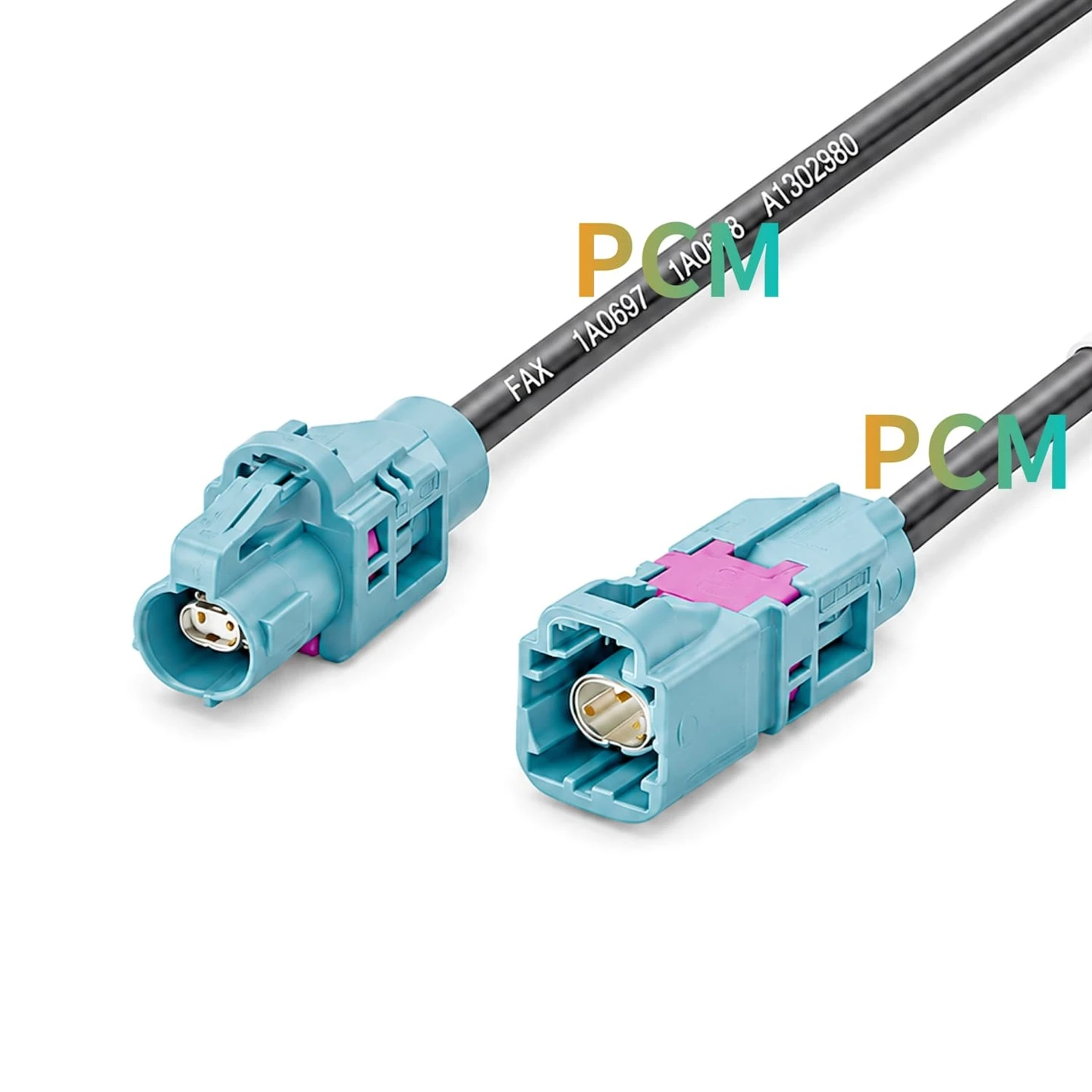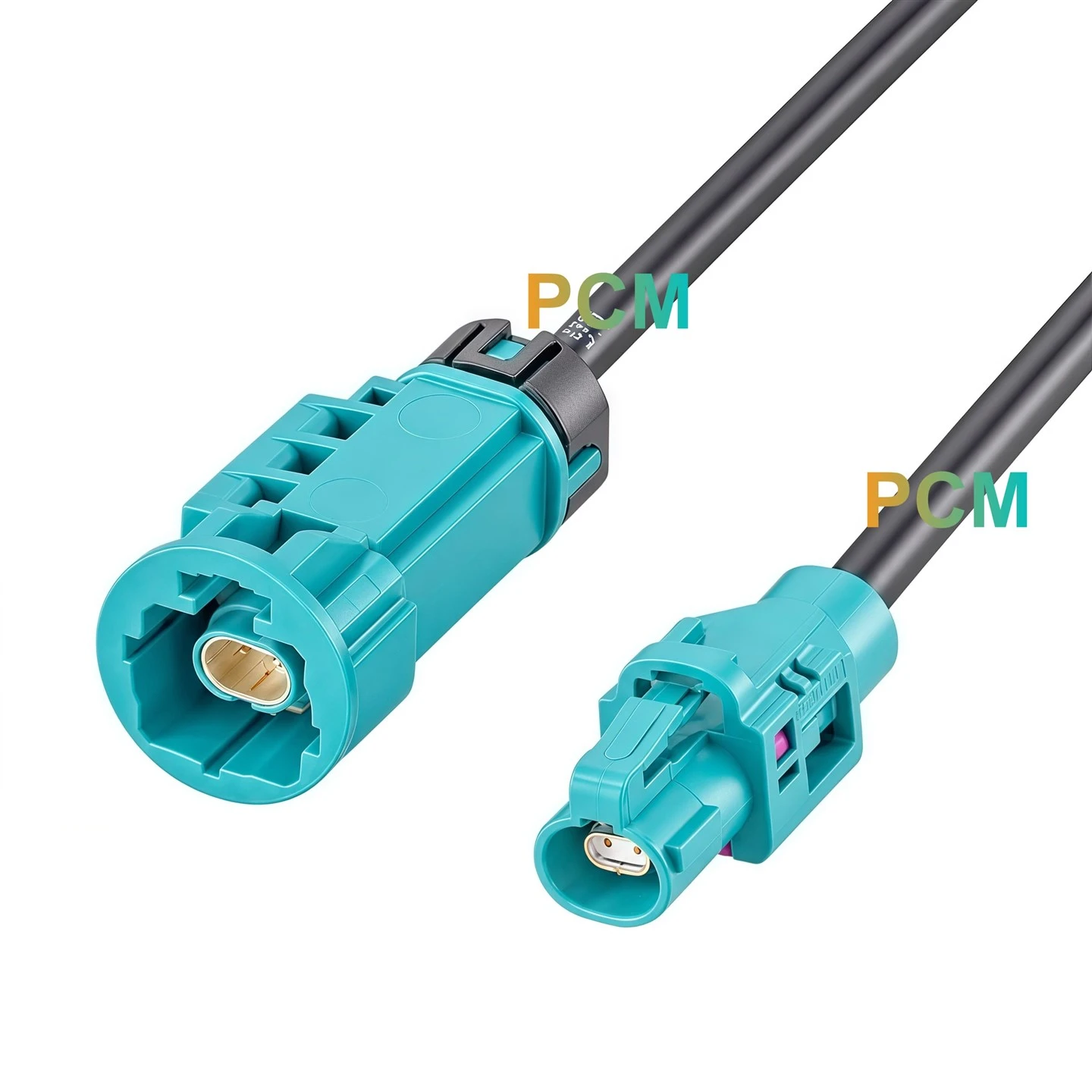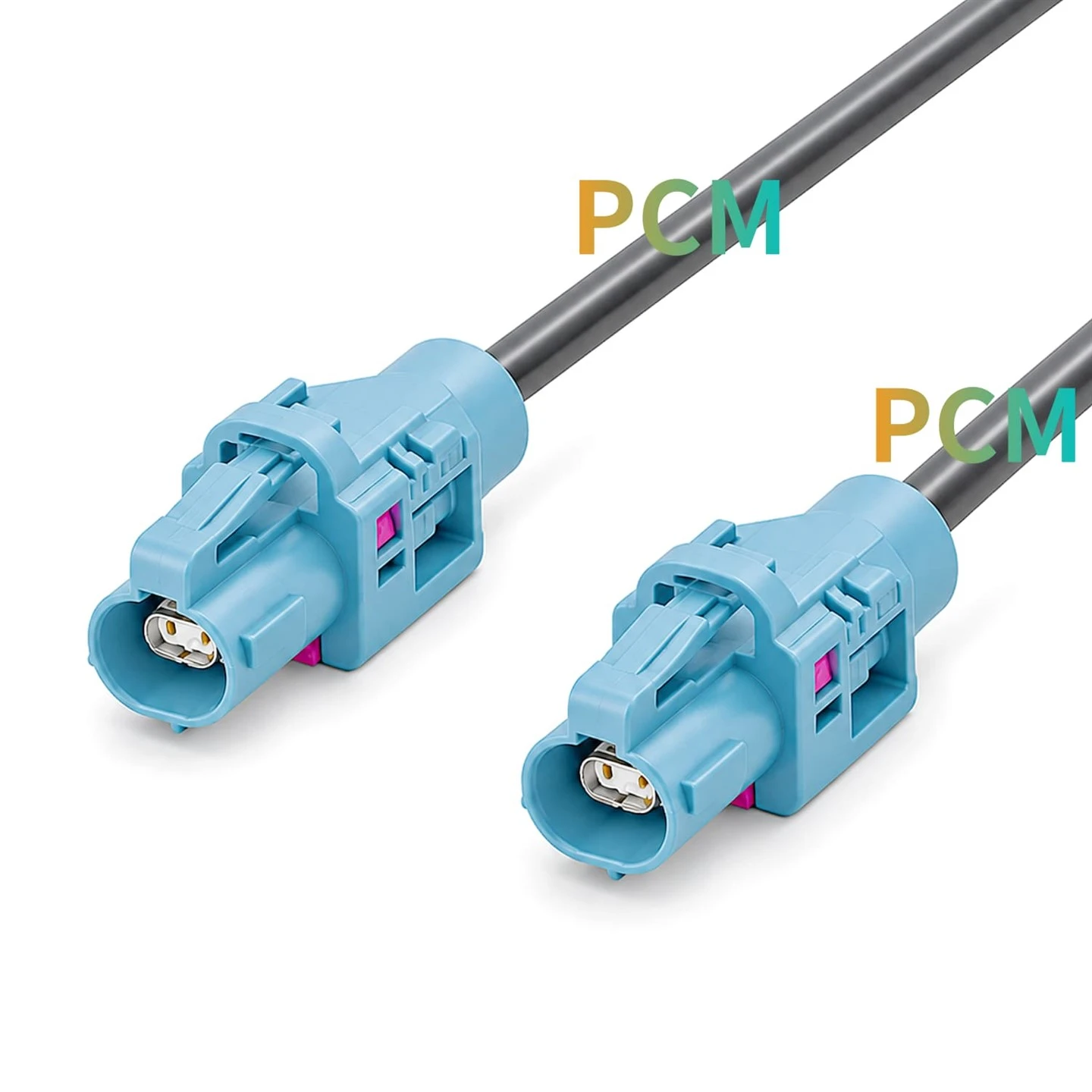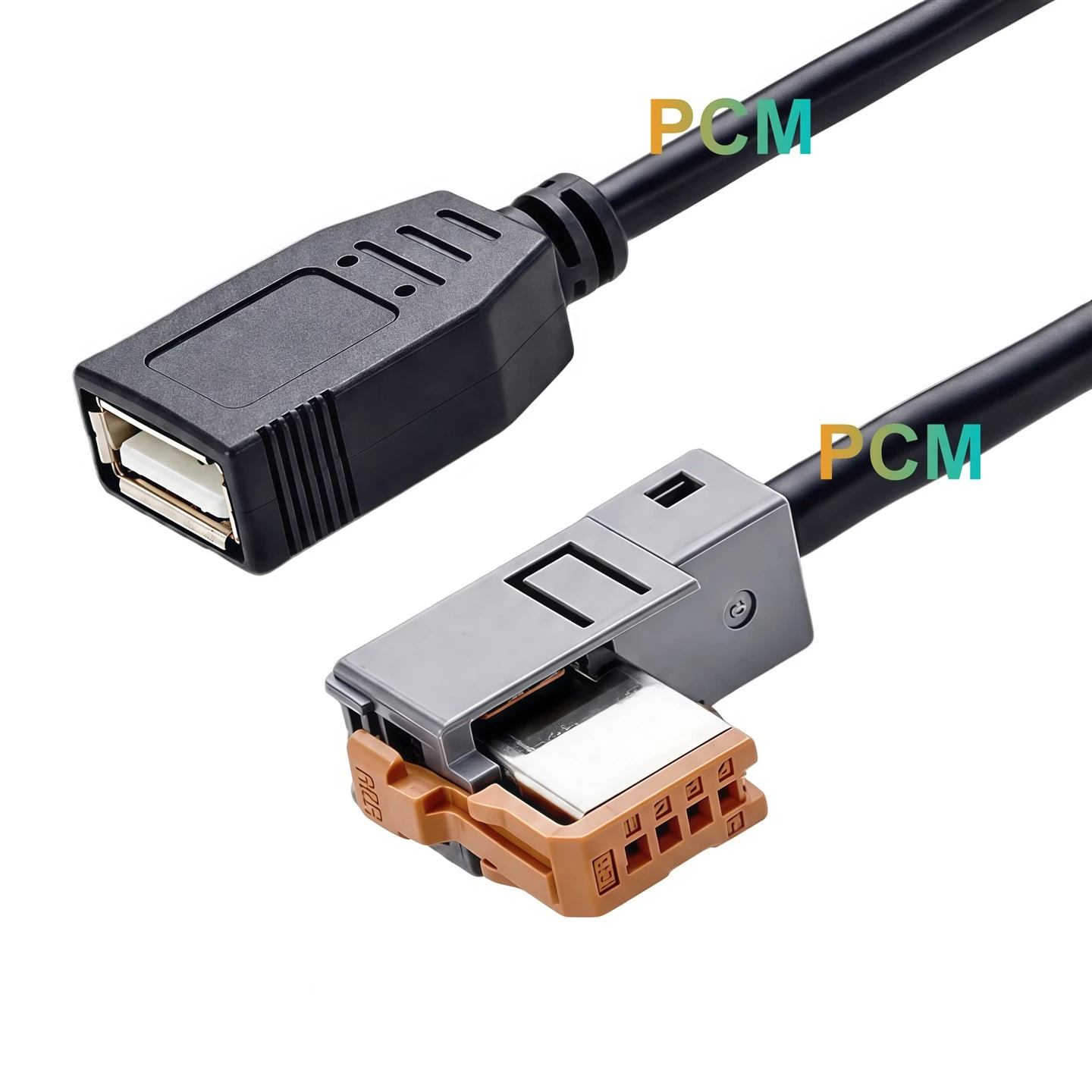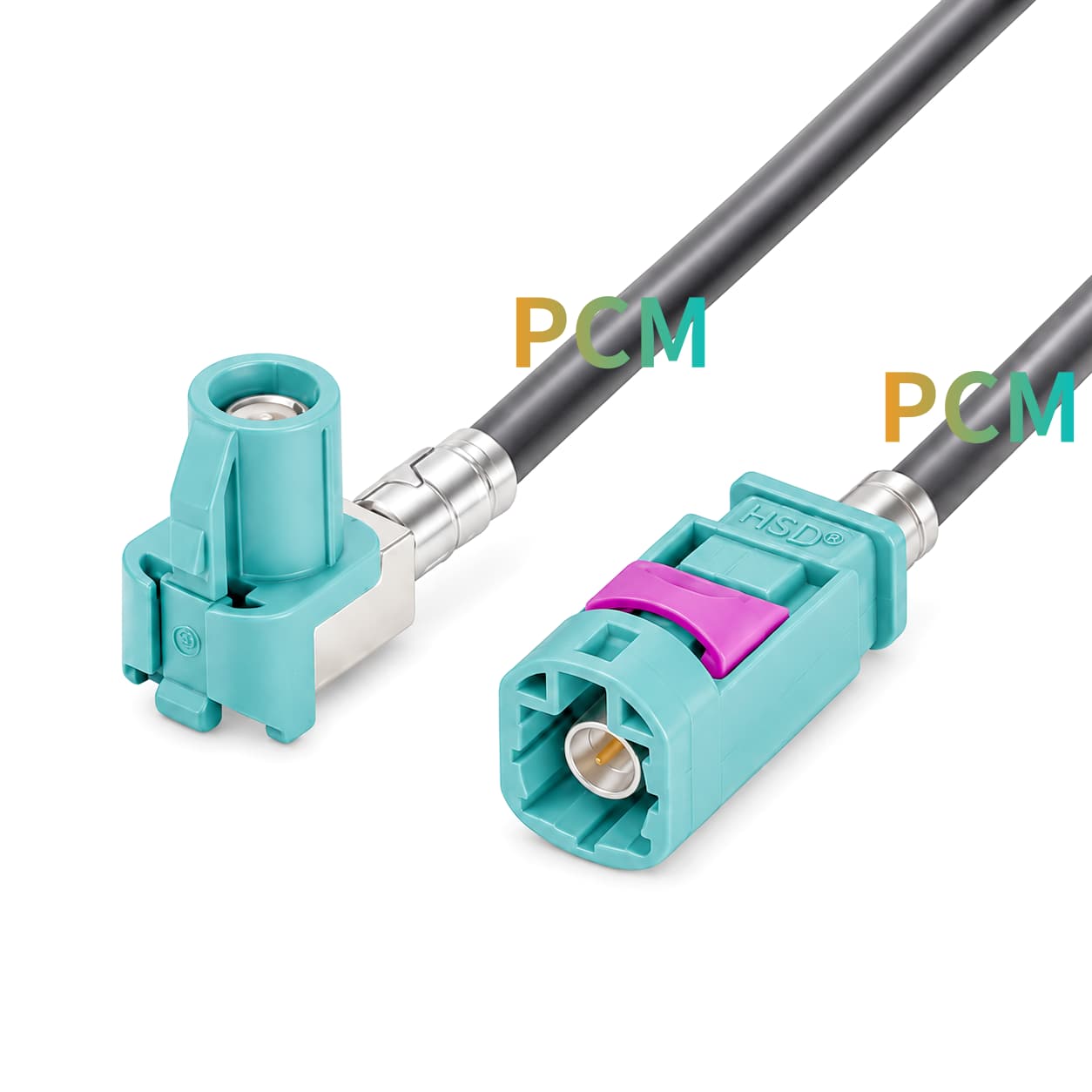
In-car entertainment systems (Infotainment Systems) usually need to connect multiple devices and interfaces, including audio and video devices, display screens, input devices, wireless communication modules, etc. In order to ensure efficient connection between various devices, in-car entertainment systems involve multiple types of connectors. The following are some common connector types and their roles in in-car entertainment systems:
1. USB connector
Purpose: Used to connect external devices (such as smartphones, USB flash drives, hard drives, audio players, etc.) to in-car entertainment systems, supporting data transmission, audio playback, charging and other functions.
Common types: USB-A, USB-C, Micro-USB, etc.
Features: The USB interface supports audio, video, and data transmission. Especially in modern in-car entertainment systems, USB-C has begun to be widely used, supporting higher data transmission rates and bidirectional charging.
2. HDMI connector
Purpose: Used to transmit video and audio signals from external devices (such as mobile devices, laptops, game consoles, etc.) to the in-car display.
Common types: HDMI Type-A, Type-C, Mini HDMI, etc.
Features: HDMI interface provides high-resolution video and high-quality audio transmission, and is widely used to connect high-definition devices, such as in-vehicle central control screens and rear-seat entertainment systems.
3. Ethernet connector
Purpose: Used for internal network connection in in-vehicle entertainment systems, providing high-speed data transmission, especially for in-vehicle local area network (LAN) connection in advanced in-vehicle entertainment systems.
Common types: RJ45 (standard Ethernet interface), M12, IX Industrial, etc.
Features: Supports high-bandwidth data transmission, suitable for entertainment systems that support network connection, streaming media playback, high-speed downloading, etc.


4. AUX connector (audio interface)
Purpose: Used to connect external audio devices (such as mobile phones, audio players, etc.) to the in-vehicle audio system.
Common types: 3.5mm audio jack, RCA interface, etc.
Features: AUX interface is usually used to transmit analog audio signals. Although the sound quality is not as good as digital signals, it has good compatibility and is suitable for most audio devices.
5. Coaxial and fiber optic connectors
Purpose: Used for the transmission of audio and video signals, especially high-quality audio output (such as surround sound systems).
Common types: RCA coaxial, TOSLINK optical fiber, etc.
Features: Used to transmit high-quality audio signals, especially for surround sound systems and other advanced audio configurations.
6. Fakra connector
Purpose: Mainly used for the connection of GPS antennas and wireless communication modules in cars to ensure stable signal transmission.
Common types: Fakra connectors.
Features: Fakra connectors are widely used in vehicle wireless communication systems, such as vehicle navigation, Bluetooth, Wi-Fi, 4G/5G communication modules, etc., with high anti-interference capabilities.
7. LVDS connector (Low-Voltage Differential Signaling)
Purpose: Used for high-definition digital signal transmission for vehicle displays, rear-seat entertainment systems, and other video devices.
Common types: LVDS (Low-Voltage Differential Signaling).
Features: LVDS connectors are used for high-speed digital signal transmission with low electromagnetic interference, commonly found in displays and other video devices in cars.
8. MIPI connector (Mobile Industry Processing Interface)
Purpose: Used to connect high-definition displays and image processing units in vehicle entertainment systems.
Common types: MIPI DSI (Display Serial Interface) and MIPI CSI (Camera Serial Interface).
Features: MIPI connectors are widely used between high-definition displays and cameras to transmit high-speed data, such as 4K video streaming.
9. CAN bus connector (Controller Area Network)
Purpose: Although the CAN bus is commonly used for in-vehicle control systems, it is also used for some functions in in-vehicle entertainment systems, such as adjusting volume, controlling air conditioning, and in-vehicle settings.
Common types: DB9, DB25, M12, etc.
Features: CAN bus connectors are used for communication systems inside cars, especially when low-latency, high-reliability control data transmission is required.
10. Wi-Fi/Bluetooth module connector
Purpose: Used for wireless communication modules to provide Bluetooth or Wi-Fi connections.
Common types: There are various types of connectors, usually small SMD (surface mount) connectors.
Features: Wi-Fi and Bluetooth modules are used for wireless audio streaming, mobile phone interconnection (such as Apple CarPlay, Android Auto), data synchronization, etc. in in-vehicle entertainment systems.
11. Power Supply Connectors
Purpose: Used to provide power for the in-vehicle entertainment system.
Common types: automotive standard 12V DC connector, ISO connector, DC socket, etc.
Features: Ensure the power supply of the entertainment system, which may include charging and voltage stabilization functions.
Summary
In-vehicle entertainment systems involve a wide variety of connectors, covering multiple aspects from audio and video signal transmission to network connection, wireless communication, and power supply. Common connectors include USB, HDMI, Ethernet, AUX, Fakra, LVDS, etc. Each connector has its specific purpose to ensure efficient and stable connection between various system components. These connectors not only support in-vehicle entertainment functions, but also support multiple functional modules such as vehicle communication, navigation, audio playback, etc.