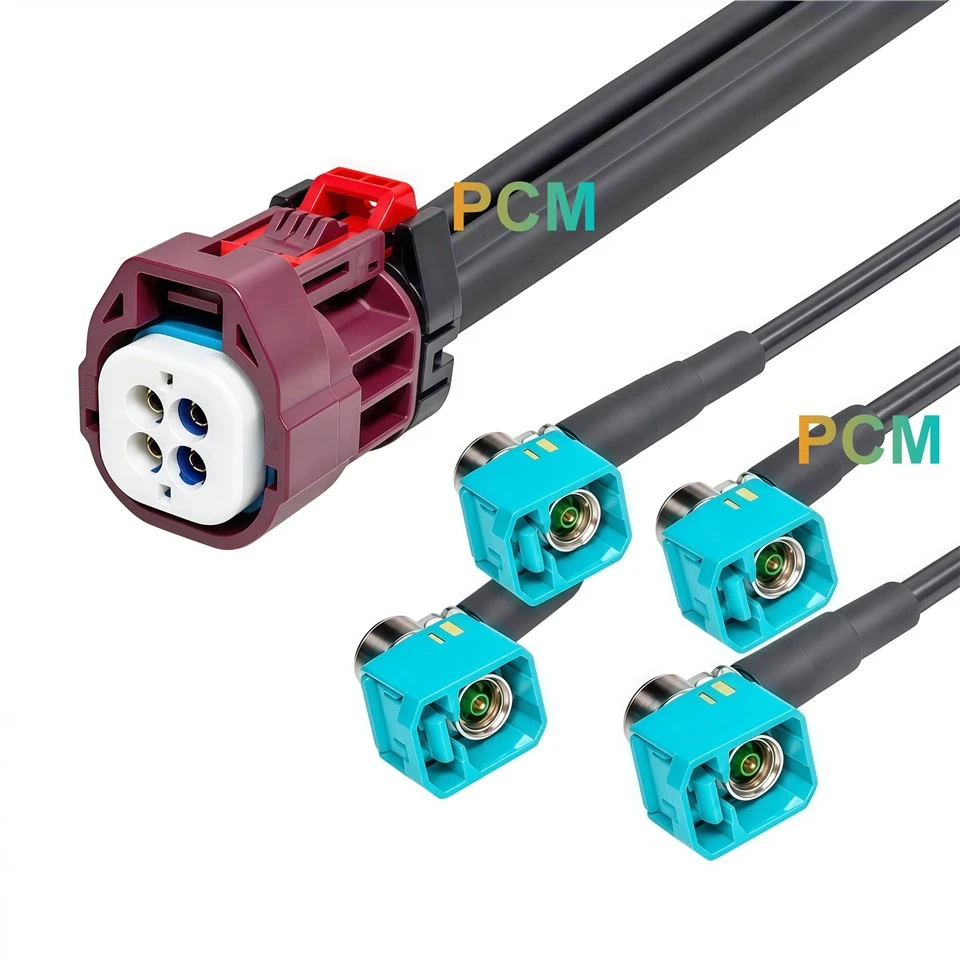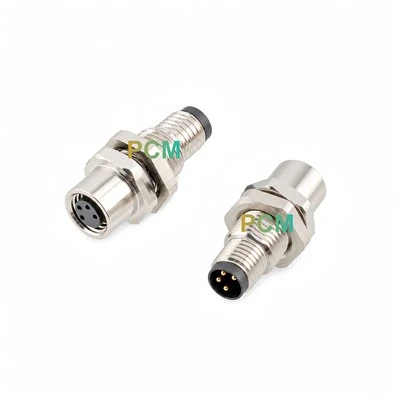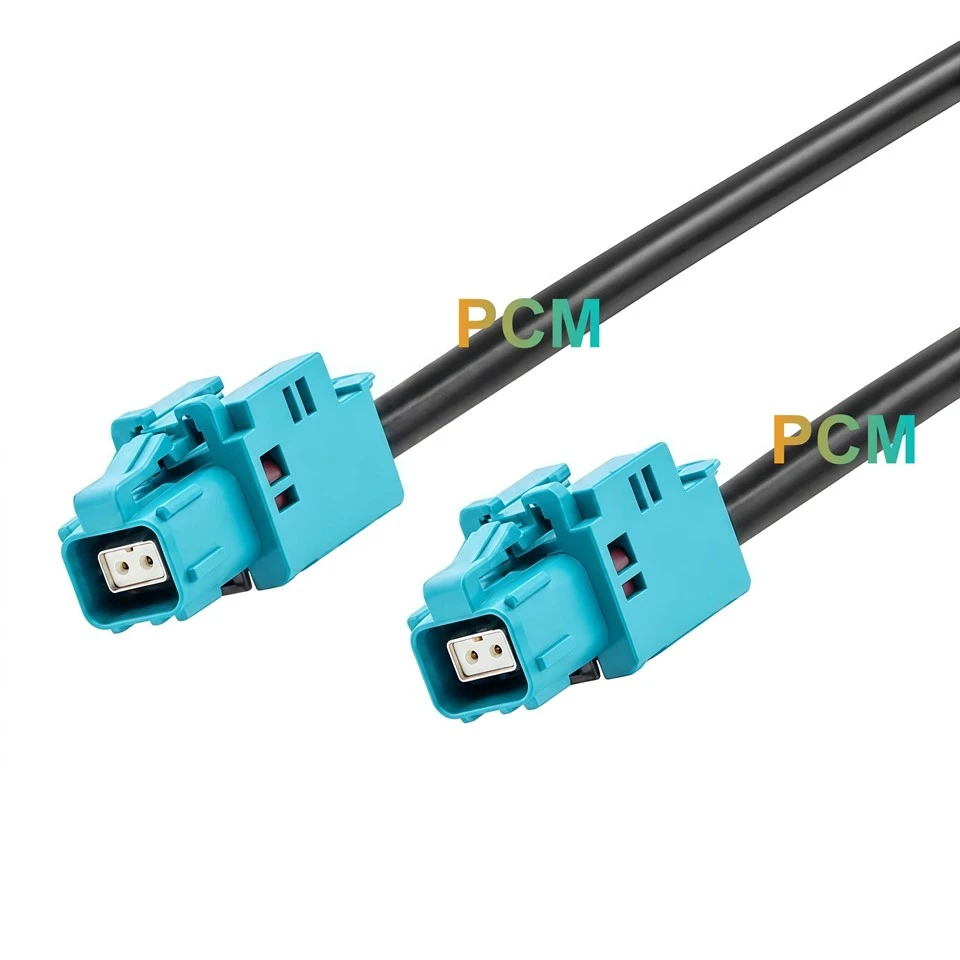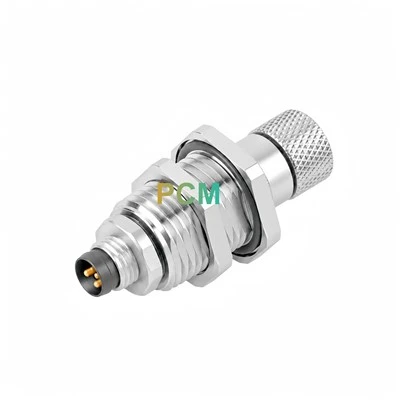
2398010-5 Z Code Vs. 2398010-1 A Code
What Is an Automotive USB 3.1 Type-C Connector ?
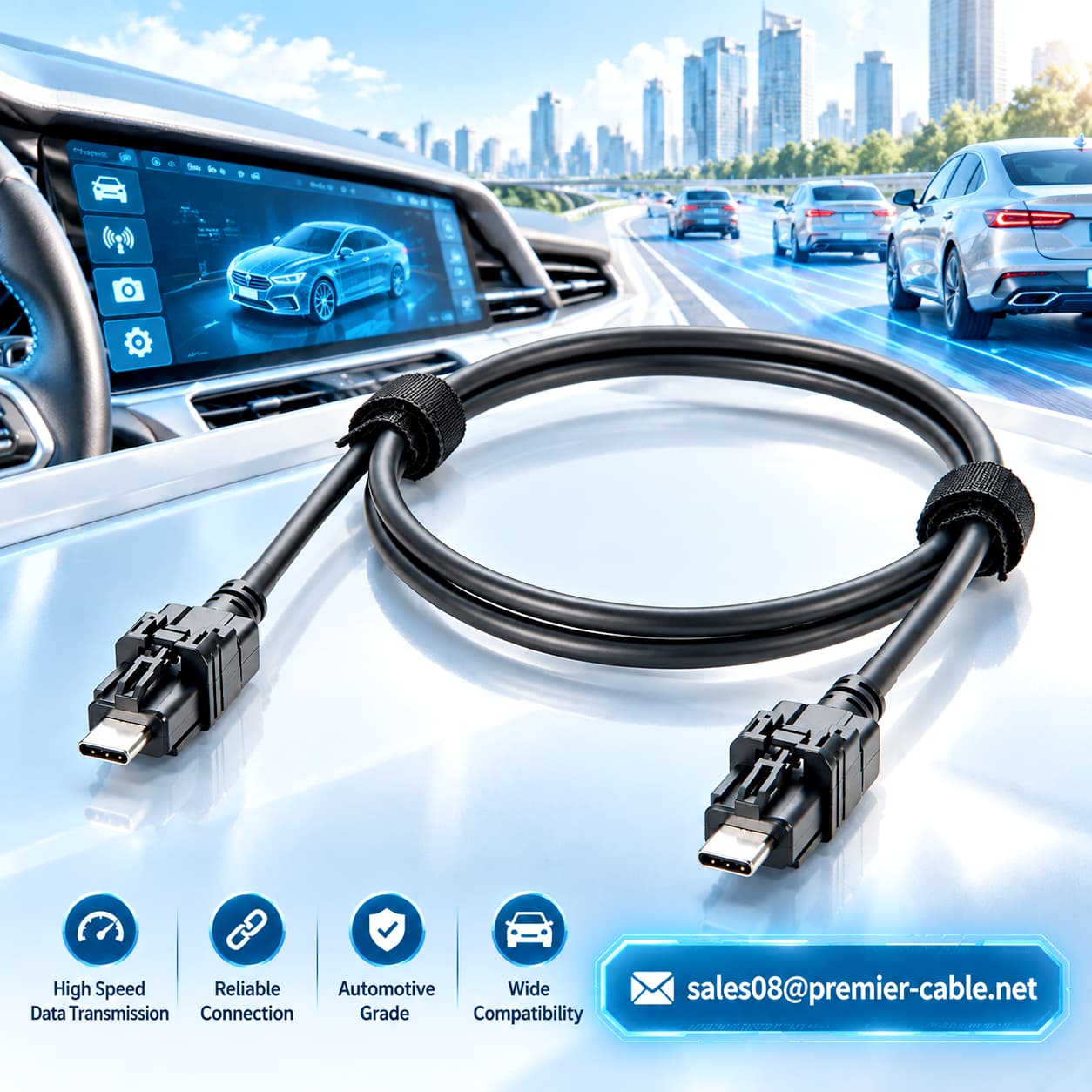
USB Type-C is a standardized electrical connection interface that can be used for data transmission and power supply. In the automotive electronics sector, USB Type-C wiring harnesses can be integrated into in-vehicle infotainment systems, USB hubs, dashboards, central consoles, and electronic communication modules.
The 2398010 series includes USB Type-C male connector assemblies for cable termination, targeting USB 3.1 Gen 1 applications. Both A Code and Z Code versions feature a 22-bit, single-port, vertical housing structure and employ a free-hanging cable mounting method.
The nominal signal transmission rate of USB 3.1 Gen 1 is 5 Gbps. However, the specifications of the connector itself do not alone determine the actual performance of the complete cable assembly. The final transmission capability also depends on the cable structure, terminal crimping or soldering processes, impedance control, shielding effectiveness, and the overall signal channel design.
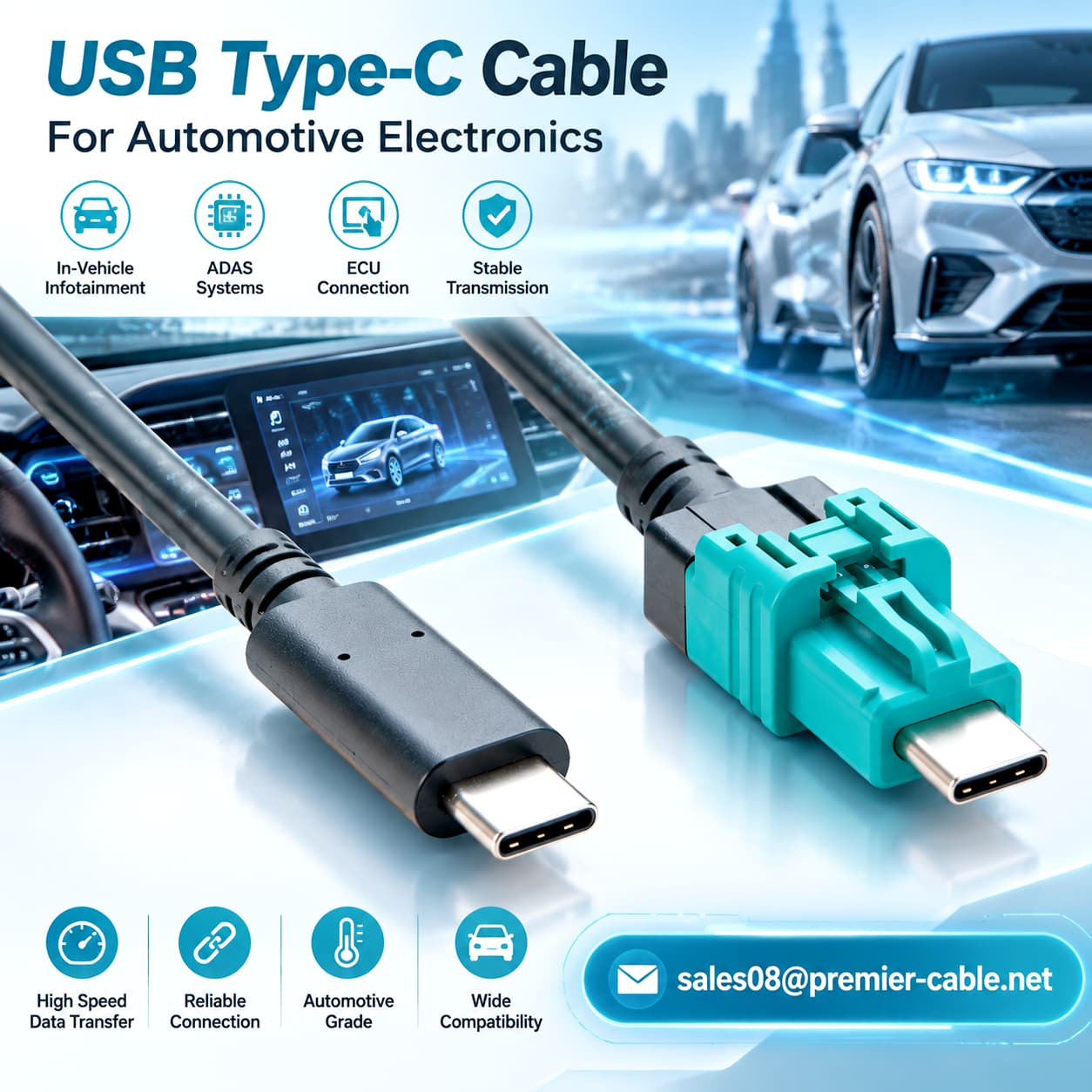
TE Connectivity 2398010-5 Z Code Automotive USB 3.1 Type-C Connector Assembly
The TE Connectivity 2398010-5 is a USB Type-C vertical male connector assembly featuring Z coding. It belongs to the USB 3.1 Gen 1 connector family and uses a 22-position configuration designed for wire and cable termination.
The Z Code designation identifies the connector's mechanical coding arrangement. In automotive interconnect systems, mechanical coding helps distinguish mating interfaces and reduce the risk of accidental connection to incompatible components.
When developing an automotive cable assembly with the 2398010-5, the corresponding Z-coded receptacle should be verified against the official TE Connectivity product drawings. Compatibility should not be assumed from the USB Type-C designation alone.
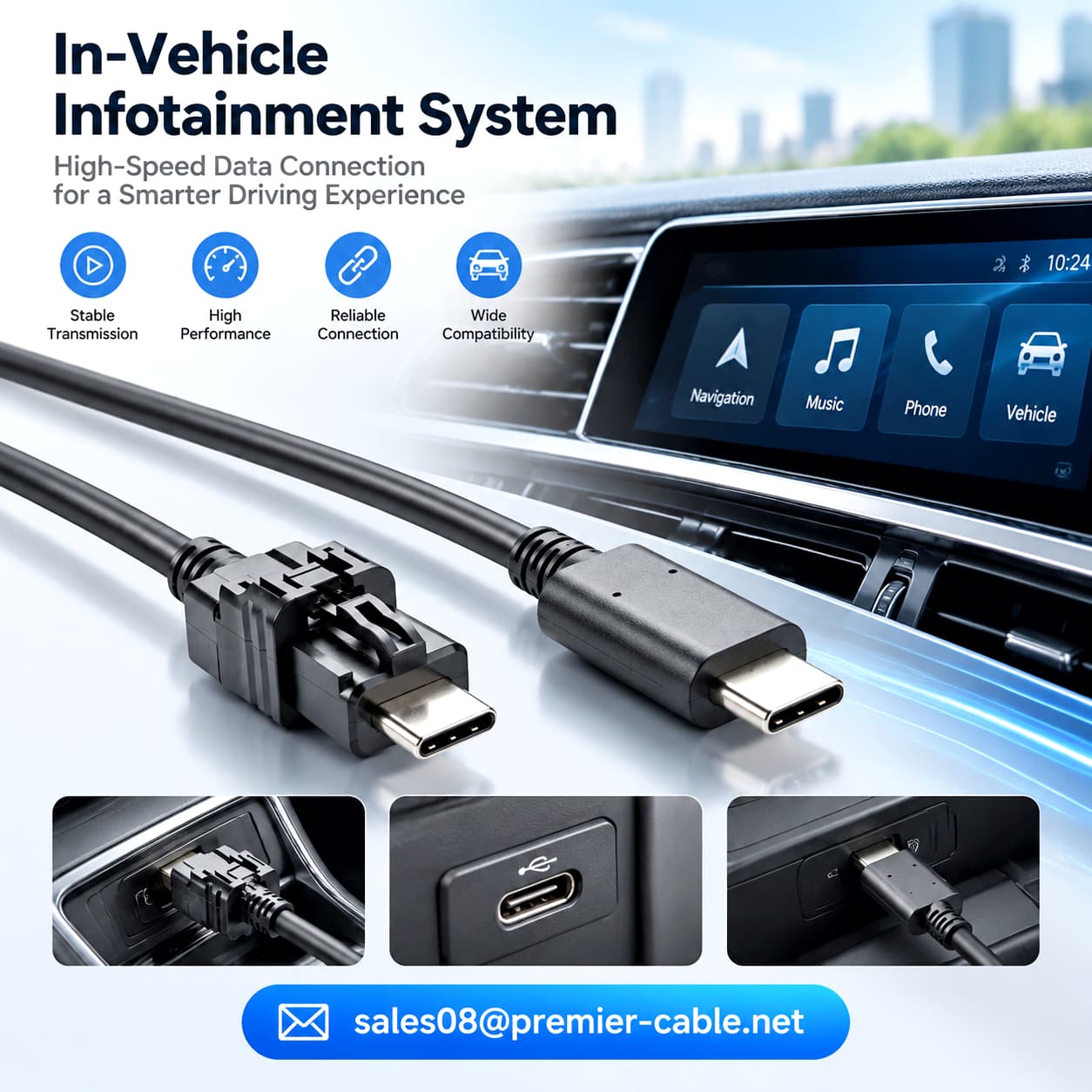
TE Connectivity 2398010-1 A Code Automotive USB 3.1 Type-C Connector Assembly
TE Connectivity 2398010-1 is an A Code configuration within the same automotive USB Type-C connector series. The product features a 22-pin male connector structure, is designed for USB 3.1 Gen 1 interface applications, and supports cable installation.
The main difference between 2398010-1 and 2398010-5 lies in their mechanical codes: the former uses an A Code, while the latter uses a Z Code. Although both belong to the USB Type-C product series, their error-prevention structures and accompanying interfaces cannot be assumed to be identical.
For custom automotive cable assemblies and volume production, specifying the correct coding helps reduce assembly errors, maintain mating consistency, and support efficient installation across vehicle platforms.
What Is HSAutoLink ?
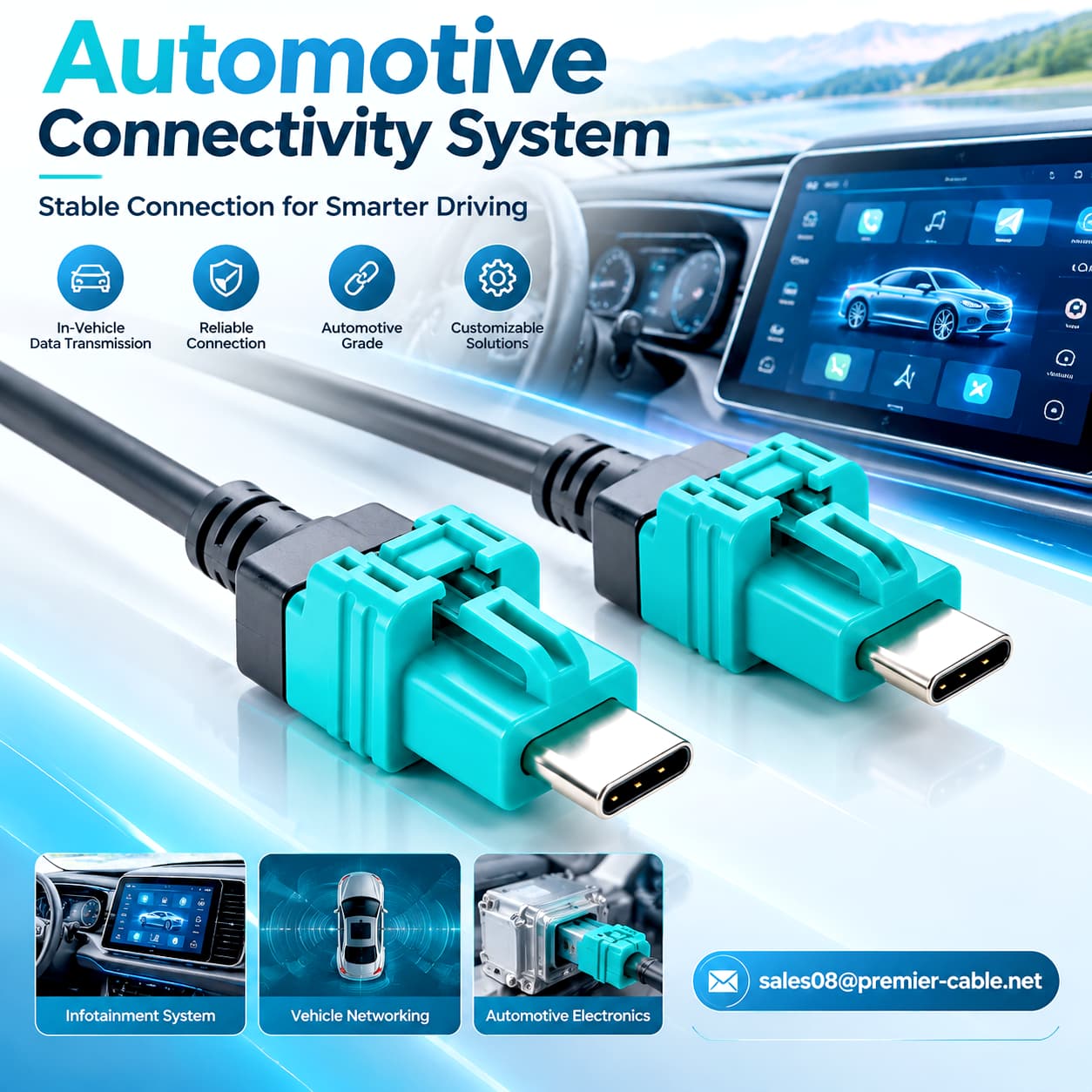
HSAutoLink is a high-speed automotive interconnect system developed by Molex, primarily used for point-to-point connections in vehicle electronic architectures. The system supports related communication technologies such as USB 2.0, LVDS, A2B, and 100Base-T1 Ethernet.
The HSAutoLink product series employs mechanical error prevention, shielding, and compact connector designs to meet the spatial and application requirements of automotive electronic interconnects.
Molex has marked its HSAutoLink Interconnect System as compliant with USCAR-30 requirements. However, this information applies to specific HSAutoLink product systems and does not automatically extend to other brands or other connector series.
HSAutoLink is a specific name for an automotive connectivity system and is not a generic term for all automotive USB cables or USB Type-C connectors.
What Is USCAR-30 ?
USCAR-30 is a vehicle performance specification for USB connection systems in road vehicles. For automotive electronics engineering teams, the value of USCAR-30 lies in providing a corresponding performance evaluation framework to help verify the suitability of USB connection systems in automotive environments.
It is important to note that USCAR-30 is a performance specification, not a USB data transmission protocol, nor is it a mechanical coding for connectors.
- USB 3.1 Gen 1: Describes the generation of the USB interface and its nominal transfer rate.
- A Code/Z Code: Describes the mechanical coding format of the connector.
- USCAR-30: Covers performance requirements and verification for automotive USB connection systems.
Product FAQ
Does USB 3.1 Gen 1 Mean That a Product Complies with USCAR-30 ?
No. USB 3.1 Gen 1 identifies a USB interface generation with a nominal signaling rate of 5 Gbps, whereas USCAR-30 addresses performance requirements for automotive USB connection systems. They represent different technical concepts.
What Information Is Required Before Customizing an Automotive USB Type-C Cable Assembly ?
It is recommended to provide the complete connector part number, mating interface reference, cable length, pin assignments, required transmission rate, and applicable OEM specifications. If USCAR-30 compliance is required, the relevant compliance and testing requirements should also be clearly specified.
Does a USB Type-C Connector Support All USB Functions ?
Not necessarily. USB Type-C identifies the connector interface, while supported data transfer, power delivery, and other functions depend on the connector, cable wiring, host equipment, and communication protocol. Always refer to the technical specifications of the complete assembly.
When selecting automotive USB Type-C harnesses, how to confirm the correct matching connectors ?
When selecting an automotive USB Type-C cable assembly, verify compatibility using the vehicle-side receptacle part number, mechanical coding, housing configuration, and contact arrangement. For TE 2398010-5 Z Code and 2398010-1 A Code, consult the manufacturer's product drawings rather than relying on the USB Type-C appearance alone. Sample mating tests are recommended before mass production for automotive harness manufacturers and OEM projects.