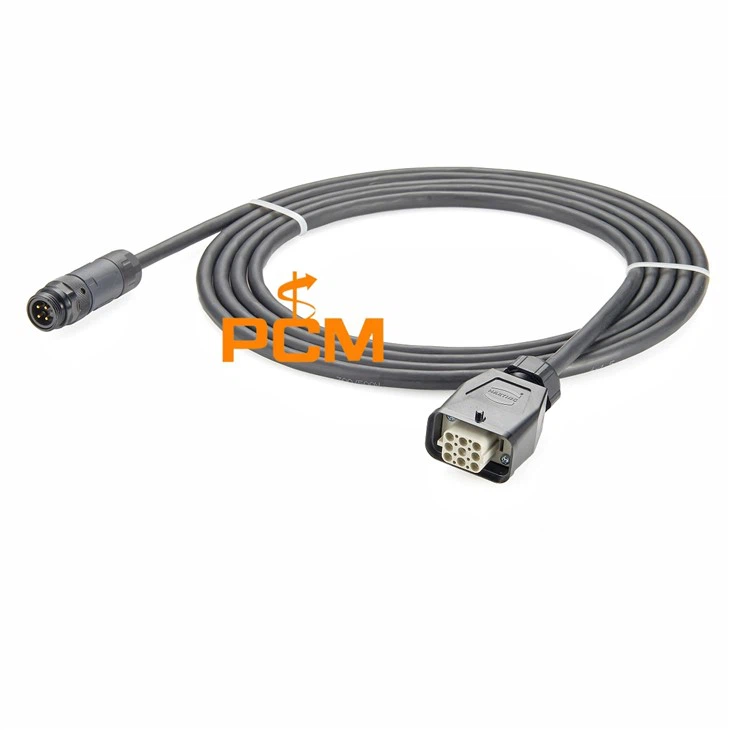

Can an MPIS distribution box be integrated with a smart grid system?
In the modern era of energy management and power distribution, the concept of a smart grid has emerged as a revolutionary approach. A smart grid is an advanced electrical grid that uses digital technology, sensors, and communication networks to monitor, control, and optimize the generation, transmission, and distribution of electricity. This integration of information technology with the power grid aims to enhance efficiency, reliability, and sustainability. As a supplier of MPIS (Multi - Port Interconnect System) distribution boxes, I often get asked whether these boxes can be integrated with a smart grid system. In this blog, I will explore this question in detail.
Understanding MPIS Distribution Boxes
MPIS distribution boxes are designed to provide a reliable and efficient way to distribute power and signals in industrial and commercial applications. These boxes come in various configurations, such as the Mini - Change 4 Pole DeviceNet Aux Power, the Devicenet Multi - Port Interconnect System Box, and the Signal And Safety MPIS Box 3 Pole 4 Ports. They are typically used in automation systems, where they help in connecting multiple devices, such as sensors, actuators, and controllers.
The main advantages of MPIS distribution boxes include:
- Modularity: They can be easily configured and expanded according to the specific requirements of an application. This modularity allows for flexibility in system design and future upgrades.
- Compact Design: MPIS boxes are designed to be space - efficient, making them suitable for installations where space is limited.
- Reliability: They are built to withstand harsh industrial environments, including temperature variations, dust, and vibration. This ensures stable operation and reduces the risk of system failures.
The Smart Grid System
A smart grid system consists of several key components, including:
- Power Generation: Renewable energy sources, such as solar and wind, are increasingly being integrated into the power generation mix. Smart grids can manage the variable output of these sources more effectively.
- Transmission and Distribution: Advanced sensors and communication technologies are used to monitor the power flow in transmission and distribution lines. This helps in detecting faults, optimizing voltage levels, and reducing losses.
- Consumer End: Smart meters are installed at the consumer end to provide real - time information about electricity consumption. This enables consumers to make more informed decisions about their energy use.
Integration Possibilities
Now, let's consider the integration of MPIS distribution boxes with a smart grid system. There are several ways in which this integration can be achieved:
1. Monitoring and Control
MPIS distribution boxes can be equipped with sensors to monitor electrical parameters such as voltage, current, and power. These sensors can be connected to the smart grid's communication network, allowing for real - time monitoring of the power distribution within a local area. For example, if an MPIS box is used in a factory, the smart grid can receive data on the power consumption of different sections of the factory. This data can be used to optimize the power supply, identify energy - saving opportunities, and detect potential faults.
In addition, the smart grid can send control signals to the MPIS boxes. For instance, during periods of high demand, the smart grid can instruct the MPIS boxes to reduce the power supply to non - essential equipment in a factory. This helps in balancing the load on the grid and avoiding blackouts.
2. Integration with Distributed Energy Resources
As more distributed energy resources (DERs), such as solar panels and battery storage systems, are being connected to the grid, MPIS distribution boxes can play a crucial role in managing these resources. They can be used to connect DERs to the local power distribution network and control the flow of power between them.
For example, an MPIS box can be used to connect a rooftop solar panel system to a building's electrical system. The box can monitor the power output of the solar panels and manage the charging and discharging of a battery storage system. The smart grid can then communicate with the MPIS box to ensure that the excess power generated by the solar panels is fed back into the grid at the most opportune time.
3. Fault Detection and Isolation
In a smart grid system, quick fault detection and isolation are essential to minimize the impact on the power supply. MPIS distribution boxes can be designed to detect faults within their local area. When a fault is detected, the box can send an alert to the smart grid control center. The smart grid can then take appropriate actions, such as isolating the faulty section and rerouting the power supply.
Challenges
While the integration of MPIS distribution boxes with a smart grid system offers many benefits, there are also some challenges that need to be addressed:
1. Compatibility
The communication protocols used in MPIS distribution boxes need to be compatible with those of the smart grid system. Different manufacturers may use different protocols, which can make integration difficult. Standardization efforts are underway to address this issue, but it remains a challenge in the short term.
2. Cybersecurity
As MPIS distribution boxes are connected to the smart grid's communication network, they become potential targets for cyberattacks. Ensuring the cybersecurity of these boxes is crucial to protect the integrity of the smart grid system. Robust security measures, such as encryption and access control, need to be implemented.
3. Cost
The cost of integrating MPIS distribution boxes with a smart grid system can be significant. This includes the cost of upgrading the boxes with sensors and communication modules, as well as the cost of integrating them into the existing smart grid infrastructure. However, in the long run, the benefits of improved efficiency and reliability may outweigh the initial investment.


Case Studies
There are already some successful examples of integrating similar distribution boxes with smart grid systems. In some smart cities, distribution boxes with monitoring capabilities have been installed in public buildings. These boxes are connected to the city's smart grid, allowing for centralized monitoring and control of the power consumption in these buildings. This has led to significant energy savings and improved grid stability.
Conclusion
In conclusion, the integration of MPIS distribution boxes with a smart grid system is not only possible but also offers many potential benefits. By enabling real - time monitoring, control, and integration with distributed energy resources, MPIS boxes can contribute to the efficiency, reliability, and sustainability of the smart grid. However, challenges such as compatibility, cybersecurity, and cost need to be carefully considered.
As a supplier of MPIS distribution boxes, we are committed to working with our customers to overcome these challenges and provide solutions that meet the specific requirements of smart grid integration. If you are interested in exploring the integration of MPIS distribution boxes with your smart grid system, we invite you to contact us for further discussion and procurement. Our team of experts can provide you with detailed information and technical support to help you make the right decisions.
References
- "Smart Grid: Fundamentals of Design and Analysis" by Richard G. Evans.
- "Industrial Automation and Control Systems: A Practical Approach" by Andrew C. Simpson.