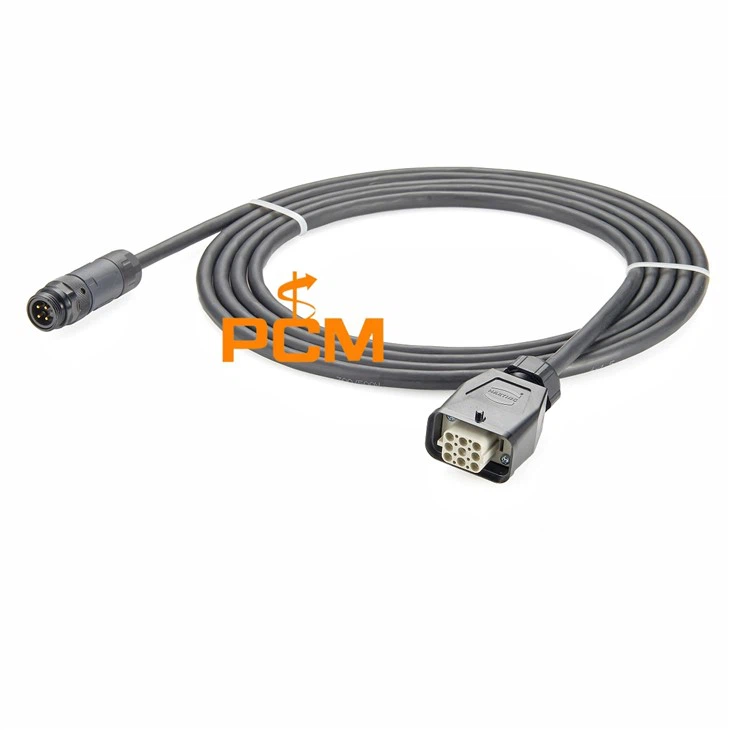

As a reliable supplier of 7/8 - 16un power cables, I've encountered numerous inquiries regarding the installation limitations of these cables. In this blog post, I'll delve deep into the various aspects that can pose challenges during the installation process of 7/8 - 16un power cables.
Environmental Limitations
One of the primary factors affecting the installation of 7/8 - 16un power cables is the environment. Extreme temperatures can have a significant impact on the cable's performance and lifespan. High - temperature environments can cause the cable insulation to degrade over time. For instance, if the cable is installed in an industrial setting near furnaces or other heat - generating equipment, the heat can accelerate the aging process of the insulation material. This may lead to a reduction in the cable's electrical insulation properties, increasing the risk of short - circuits and electrical failures.


On the other hand, low - temperature environments can make the cable insulation brittle. When the cable is bent or manipulated during installation in cold conditions, the insulation may crack. This can expose the conductors inside, posing a safety hazard. For example, in outdoor installations in cold regions, such as in the Arctic or high - altitude areas, special precautions need to be taken. We recommend using cables with cold - resistant insulation materials in such environments.
Humidity is another environmental factor that cannot be ignored. High humidity levels can cause moisture to penetrate the cable insulation. Moisture can corrode the conductors and reduce the insulation resistance. In areas with high humidity, like coastal regions or underground installations where water seepage is possible, proper sealing and waterproofing measures must be implemented during installation.
Space and Routing Limitations
The physical space available for cable installation is often a significant limitation. 7/8 - 16un power cables have a certain diameter, and they require sufficient space for proper routing. In cramped spaces, such as inside control cabinets or small electrical enclosures, it can be challenging to route the cables without causing excessive bends.
Excessive bending of the cable can damage the internal conductors and insulation. The minimum bend radius of a 7/8 - 16un power cable is specified by the manufacturer. If the bend radius is smaller than the recommended value, it can lead to increased resistance in the conductors, which in turn can cause overheating. For example, if the cable is bent too sharply around a corner in a control cabinet, the current flow through the conductors may be restricted, generating heat and potentially causing a fire hazard.
In addition, the routing of the cable should avoid areas where it may be subjected to mechanical stress. For example, cables should not be routed near moving parts of machinery, as the constant vibration and movement can cause the cable to wear out. Sharp edges in the installation area can also cut through the cable insulation, so it's important to ensure that all edges are smoothed or protected.
Electrical Compatibility Limitations
Electrical compatibility is crucial when installing 7/8 - 16un power cables. The cable must be compatible with the electrical system it is being connected to. This includes factors such as voltage rating, current - carrying capacity, and frequency.
The voltage rating of the cable must match the voltage of the electrical system. If a cable with a lower voltage rating is used in a high - voltage system, the insulation may break down, leading to electrical arcing and equipment damage. For example, if a 7/8 - 16un power cable rated for 250V is connected to a 480V system, it will not be able to withstand the high voltage, and a failure is likely to occur.
The current - carrying capacity of the cable is also important. The cable must be able to carry the expected current without overheating. If the cable is undersized for the load, it will heat up, which can damage the insulation and reduce the cable's lifespan. Calculating the correct cable size based on the load requirements is essential. For instance, in a large industrial motor application, a cable with a higher current - carrying capacity may be required compared to a small household appliance.
The frequency of the electrical system can also affect the cable's performance. Some cables are designed for specific frequencies, such as 50Hz or 60Hz. Using a cable outside its designed frequency range can lead to increased losses and reduced efficiency.
Connector and Termination Limitations
The connectors and terminations used with 7/8 - 16un power cables are critical components of the installation. Improperly installed connectors can cause a variety of problems.
The connectors must be compatible with the cable size and type. Using the wrong connector can result in a poor electrical connection, which can lead to increased resistance and heat generation. For example, if a connector is too small for the cable, it may not make a proper contact with the conductors, causing a loose connection.
Proper termination of the cable is also essential. The conductors must be securely terminated within the connector. If the conductors are not properly crimped or soldered, it can lead to a high - resistance connection. This high resistance can cause the connector to overheat, potentially melting the insulation and causing a short - circuit.
When it comes to the selection of connectors, we offer a range of options to meet different installation needs. You can check out our NEMA 5 - 15P 5 - 15R To 7/8" Circular Connector Power Cable, 7/8" Connector To Europe Plug Power Connection Cable, and Power Supply Molded Cable with 7/8" Connector 3 Pin. These products are designed to ensure a reliable and safe connection.
Regulatory and Code Limitations
Installation of 7/8 - 16un power cables must comply with relevant electrical codes and regulations. These codes are in place to ensure the safety of the electrical system and the people using it.
Different regions may have different electrical codes. For example, in the United States, the National Electrical Code (NEC) provides guidelines for cable installation. These codes cover aspects such as cable routing, grounding, and protection against overcurrent. Failure to comply with these codes can result in fines and safety hazards.
In addition to national codes, there may also be industry - specific regulations. For example, in the aerospace or medical industries, there are strict regulations regarding cable installation to ensure the safety and reliability of the equipment.
Conclusion
In conclusion, the installation of 7/8 - 16un power cables is subject to various limitations, including environmental, space and routing, electrical compatibility, connector and termination, and regulatory factors. Understanding these limitations and taking appropriate measures to address them is crucial for a successful and safe installation.
As a supplier of 7/8 - 16un power cables, we are committed to providing high - quality products and professional advice to our customers. If you are planning an installation project and need assistance in selecting the right cable or understanding the installation requirements, we are here to help. Contact us for more information and to discuss your specific needs. We look forward to working with you to ensure a smooth and reliable cable installation.
References
- National Electrical Code (NEC)
- Manufacturer's specifications for 7/8 - 16un power cables