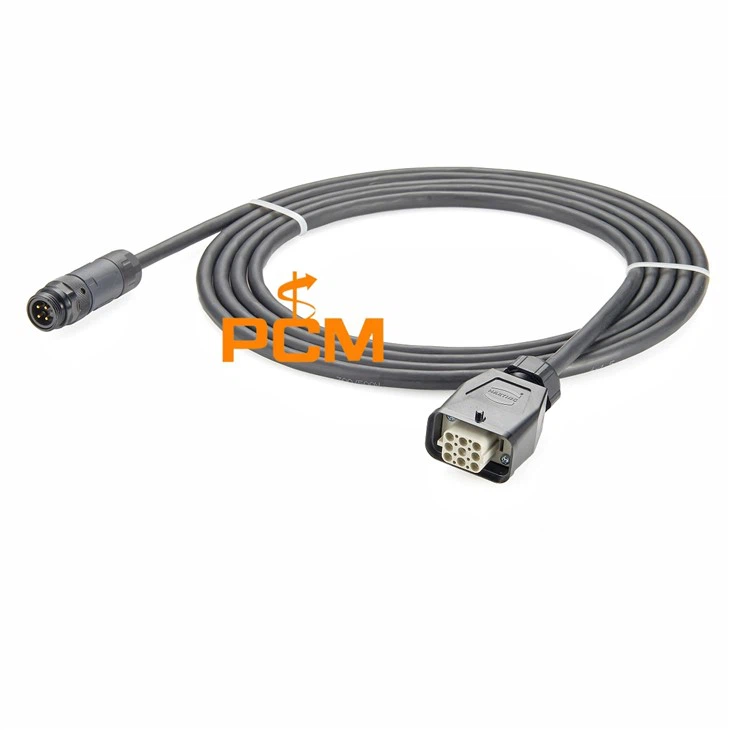

In the dynamic landscape of industrial automation and networking, the demand for reliable and high - speed data transfer is ever - increasing. As a leading supplier of DeviceNet drop cables, I often encounter inquiries about the cable's ability to support high - speed data transfer. In this blog, I will delve into the technical aspects of DeviceNet drop cables and explore whether they can meet the requirements of high - speed data communication.
Understanding DeviceNet and Drop Cables
DeviceNet is an open, industrial network standard that simplifies the connection of devices such as sensors, actuators, and controllers. It is based on the Controller Area Network (CAN) protocol, which is known for its robustness and reliability in harsh industrial environments. A DeviceNet drop cable is a crucial component in a DeviceNet network. It is used to connect individual devices to the main trunk line, allowing them to communicate with each other and with the central control system.
Factors Affecting Data Transfer Speed
Several factors determine the data transfer speed of a DeviceNet drop cable. These include the cable's electrical properties, such as impedance, capacitance, and attenuation, as well as the network topology and the capabilities of the connected devices.


Electrical Properties
The impedance of a cable is a measure of its opposition to the flow of alternating current. In a DeviceNet network, cables with a characteristic impedance of 120 ohms are typically used to ensure proper signal transmission. If the impedance of the drop cable does not match that of the trunk line, signal reflections can occur, which can degrade the quality of the data transmission and limit the speed.
Capacitance is another important electrical property. High capacitance in a cable can cause the signal to slow down and distort, especially at higher frequencies. A DeviceNet drop cable with low capacitance is more suitable for high - speed data transfer as it allows the signal to propagate more quickly and accurately.
Attenuation refers to the loss of signal strength as it travels along the cable. Over longer distances, attenuation can become a significant issue, reducing the signal - to - noise ratio and making it difficult for the receiving device to accurately interpret the data. A cable with low attenuation is essential for maintaining high - speed data transfer over extended distances.
Network Topology
The topology of a DeviceNet network can also impact data transfer speed. In a typical DeviceNet network, a trunk - and - drop topology is used, where multiple drop cables are connected to a single trunk line. The length and number of drop cables can affect the overall performance of the network. Longer drop cables and a large number of connected devices can increase the load on the network, leading to slower data transfer speeds.
Device Capabilities
The data transfer speed of a DeviceNet network is also limited by the capabilities of the connected devices. Some devices may only support lower data rates, which can bottleneck the overall network speed. It is important to ensure that all devices in the network are compatible and capable of operating at the desired data transfer rate.
High - Speed Data Transfer in DeviceNet Drop Cables
DeviceNet networks typically support data transfer rates of up to 500 kbps. While this may not be considered extremely high - speed compared to some other networking technologies, it is sufficient for many industrial applications.
Cable Design for High - Speed
Modern DeviceNet drop cables are designed with features that enhance their ability to support high - speed data transfer. For example, they are often made with high - quality conductors and insulation materials to reduce impedance, capacitance, and attenuation. Shielding is also commonly used to protect the cable from electromagnetic interference (EMI), which can disrupt the data signal and reduce the transfer speed.
Testing and Certification
To ensure that our DeviceNet drop cables meet the required standards for high - speed data transfer, we conduct rigorous testing and certification processes. Our cables are tested for impedance, capacitance, attenuation, and other electrical properties to ensure that they perform optimally in a DeviceNet network. We also test the cables for compatibility with a wide range of devices to ensure seamless integration and reliable data transfer.
Real - World Applications
In many industrial applications, high - speed data transfer is crucial for efficient operation. For example, in manufacturing plants, sensors and actuators need to communicate quickly with the control system to ensure precise control of production processes. DeviceNet drop cables play a vital role in these applications by providing a reliable connection between the devices and the network.
In the automotive industry, DeviceNet networks are used to connect various components in vehicles, such as engine sensors, transmission controllers, and safety systems. High - speed data transfer is essential in these applications to ensure real - time monitoring and control of the vehicle's functions.
Our Product Offerings
As a supplier of DeviceNet drop cables, we offer a wide range of products to meet the diverse needs of our customers. Our product portfolio includes:
- NMEA2000 DeviceNet Mini - C Extension Cable: This cable is designed for use in marine applications, where high - speed and reliable data transfer is essential. It features a Mini - C connector for easy installation and is compatible with NMEA2000 devices.
- M12 A - coded Cable Assembly DeviceNet CAN Bus: The M12 A - coded connector is widely used in industrial automation applications. Our cable assembly provides a secure and reliable connection for DeviceNet CAN bus networks, supporting high - speed data transfer.
- Honda NMEA2000 Outboards Cable with Tee Connector: This cable is specifically designed for Honda outboard motors, providing a seamless connection to NMEA2000 networks. It includes a tee connector for easy branching and expansion of the network.
Conclusion
In conclusion, DeviceNet drop cables are capable of supporting high - speed data transfer, up to the maximum data rate of 500 kbps supported by the DeviceNet standard. By carefully considering the electrical properties of the cable, the network topology, and the capabilities of the connected devices, it is possible to achieve reliable and efficient high - speed data transfer in a DeviceNet network.
If you are in need of high - quality DeviceNet drop cables for your industrial or marine application, we are here to help. Our team of experts can assist you in selecting the right cable for your specific requirements. Whether you need a standard cable or a custom - designed solution, we have the expertise and resources to meet your needs. Contact us today to discuss your procurement needs and start a fruitful business partnership.
References
- "DeviceNet Specification", ODVA (Open DeviceNet Vendors Association)
- "CAN Bus Technology", Robert Bosch GmbH
- "Industrial Networking: A Comprehensive Guide", Peter Welander