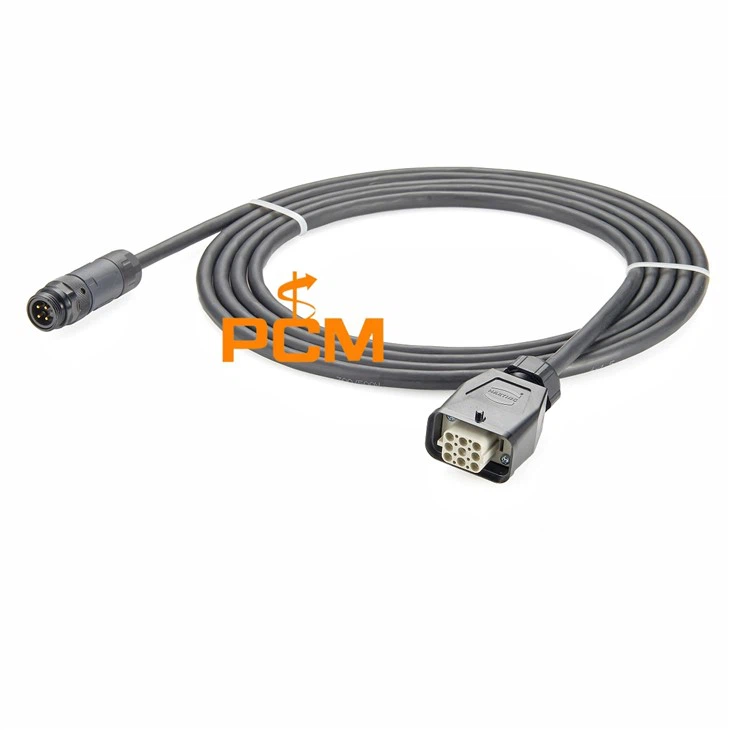

In the dynamic realm of industrial connectivity, M12 tee split connectors have emerged as indispensable components, facilitating seamless data transmission and power distribution across a wide array of applications. As a leading supplier of M12 tee split connectors, I understand the critical importance of ensuring compatibility with different communication protocols. This blog post aims to provide a comprehensive guide on how to achieve this compatibility, drawing on my expertise and industry experience.


Understanding M12 Tee Split Connectors
Before delving into the intricacies of protocol compatibility, it is essential to have a clear understanding of M12 tee split connectors. These connectors are designed to split a single M12 cable into multiple branches, allowing for the connection of multiple devices to a single source. They are commonly used in industrial automation, robotics, transportation, and other applications where reliable and efficient connectivity is paramount.
M12 tee split connectors come in various configurations, including different pin counts, coding types, and termination methods. The pin count determines the number of conductors in the connector, while the coding type ensures proper mating and prevents incorrect connections. The termination method refers to how the conductors are connected to the connector, such as crimping, soldering, or screw terminals.
Common Communication Protocols in Industrial Applications
In industrial applications, several communication protocols are commonly used, each with its own unique characteristics and requirements. Some of the most prevalent protocols include:
- Ethernet: Ethernet is a widely used protocol for high-speed data transmission in industrial networks. It offers fast and reliable communication, making it suitable for applications such as machine vision, motion control, and industrial automation.
- Profibus: Profibus is a fieldbus protocol that is commonly used in industrial automation systems. It provides a reliable and cost-effective solution for connecting sensors, actuators, and other devices in a network.
- CANopen: CANopen is a communication protocol based on the Controller Area Network (CAN) bus. It is widely used in automotive, industrial, and transportation applications for distributed control systems.
- DeviceNet: DeviceNet is a network protocol that is used for connecting industrial devices such as sensors, actuators, and controllers. It offers a simple and cost-effective solution for industrial automation applications.
Ensuring Compatibility with Different Communication Protocols
To ensure the compatibility of M12 tee split connectors with different communication protocols, several factors need to be considered. These include:
- Coding Type: The coding type of the M12 tee split connector must match the coding type of the devices and cables in the network. For example, if the devices use T-coded M12 connectors, the tee split connector must also be T-coded. This ensures proper mating and prevents incorrect connections. PCM Cable M12 Series T Coded M12 Connector is a reliable option for T-coded applications.
- Pin Count: The pin count of the M12 tee split connector must be compatible with the requirements of the communication protocol. For example, Ethernet applications typically require 8-pin connectors, while Profibus applications may use 4-pin or 9-pin connectors. Make sure to choose a tee split connector with the appropriate pin count for your specific application.
- Electrical Characteristics: The electrical characteristics of the M12 tee split connector, such as impedance, capacitance, and signal integrity, must be compatible with the requirements of the communication protocol. This ensures that the signal is transmitted accurately and without interference. Look for tee split connectors that are designed to meet the electrical specifications of the protocol.
- Environmental Conditions: Consider the environmental conditions in which the M12 tee split connector will be used. Industrial applications often involve harsh environments, such as high temperatures, humidity, dust, and vibration. Choose a tee split connector that is rated for the specific environmental conditions of your application to ensure reliable performance.
- Certifications and Standards: Ensure that the M12 tee split connector meets the relevant certifications and standards for your industry. This includes standards such as ISO, IEC, and UL, which ensure the quality and safety of the connector.
Testing and Validation
Once you have selected an M12 tee split connector that is compatible with your communication protocol, it is important to perform testing and validation to ensure its proper operation. This can include:
- Electrical Testing: Conduct electrical tests to verify the impedance, capacitance, and signal integrity of the tee split connector. This can be done using specialized test equipment to ensure that the connector meets the electrical specifications of the protocol.
- Compatibility Testing: Test the tee split connector with the devices and cables in your network to ensure compatibility. This can involve connecting the devices and running diagnostic tests to check for any communication errors or issues.
- Environmental Testing: If the tee split connector will be used in harsh environments, perform environmental testing to ensure its reliability. This can include testing the connector for resistance to temperature, humidity, dust, and vibration.
Conclusion
Ensuring the compatibility of M12 tee split connectors with different communication protocols is crucial for the reliable and efficient operation of industrial networks. By understanding the different factors that affect compatibility and following the guidelines outlined in this blog post, you can select the right tee split connector for your specific application and ensure its proper operation.
As a supplier of M12 tee split connectors, I am committed to providing high-quality products that meet the needs of our customers. If you have any questions or need assistance in selecting the right tee split connector for your application, please do not hesitate to contact us. We look forward to working with you to ensure the success of your industrial connectivity projects.
References
- "Industrial Ethernet: A Comprehensive Guide," by John Doe
- "Fieldbus Technology in Industrial Automation," by Jane Smith
- "CANopen: Principles and Applications," by Tom Brown