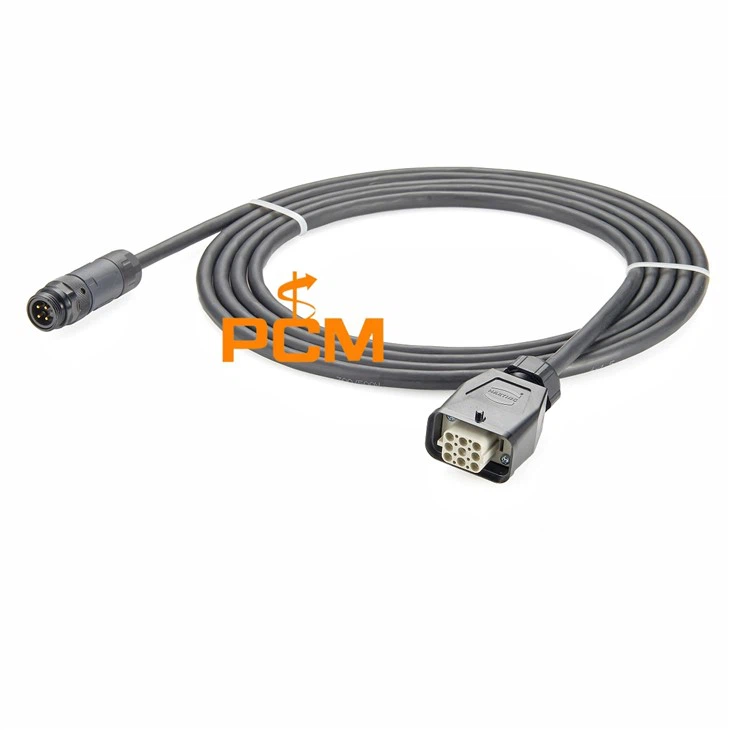

In the dynamic landscape of industrial automation, ensuring the real - time performance of a DeviceNet adapter is of paramount importance. As a trusted DeviceNet adapter supplier, we understand the critical role these adapters play in maintaining seamless communication and efficient operation within industrial networks. This blog post will delve into the key factors and strategies to guarantee the real - time performance of a DeviceNet adapter.
Understanding DeviceNet and Its Significance
DeviceNet is a widely adopted industrial network protocol that provides a cost - effective way to connect and communicate between industrial devices such as sensors, actuators, and controllers. It operates on a master - slave architecture, where a master device initiates communication with multiple slave devices. The real - time nature of DeviceNet is crucial as it enables timely data exchange, which is essential for applications like manufacturing, robotics, and process control.
Key Factors Affecting Real - Time Performance
Network Topology
The network topology of a DeviceNet system significantly impacts its real - time performance. A well - designed topology ensures that data can flow smoothly between devices without excessive delays. Linear and tree topologies are commonly used in DeviceNet networks. In a linear topology, devices are connected in a series, while in a tree topology, branches are created from a main trunk. When designing the topology, it is important to consider the maximum cable length and the number of devices on the network. Exceeding the recommended cable length can lead to signal degradation and increased latency.
Cable Quality
The quality of the cables used in a DeviceNet network is another critical factor. High - quality cables with proper shielding can minimize electromagnetic interference (EMI) and radio - frequency interference (RFI). These interferences can disrupt the data transmission and cause errors, leading to a decrease in real - time performance. For example, our DeviceNet Cordset Adapter Cable M12 To 7/8″ 5 Pin is designed with high - quality materials and excellent shielding to ensure reliable data transmission.
Device Configuration
Proper device configuration is essential for real - time performance. Each DeviceNet device has a set of parameters that need to be configured correctly, such as the node address, baud rate, and data format. Incorrect configuration can result in communication errors and delays. It is important to follow the manufacturer's guidelines when configuring the devices. Additionally, regular monitoring and maintenance of the device configuration can help identify and correct any issues promptly.
Power Supply
A stable power supply is crucial for the proper operation of DeviceNet adapters. Voltage fluctuations and power outages can cause the adapters to malfunction or lose communication. Using a high - quality power supply with proper voltage regulation and surge protection can help ensure the real - time performance of the adapters. It is also advisable to have a backup power supply in case of emergencies.
Strategies to Ensure Real - Time Performance
Bandwidth Management
Effective bandwidth management is key to ensuring real - time performance. DeviceNet operates at different baud rates, and the available bandwidth depends on the selected baud rate. It is important to analyze the data traffic requirements of the network and select an appropriate baud rate. Additionally, prioritizing critical data traffic can help ensure that important information is transmitted in a timely manner. For example, in a manufacturing process, data related to safety sensors should be given higher priority than non - critical data.


Error Detection and Correction
Implementing error detection and correction mechanisms can help improve the real - time performance of a DeviceNet adapter. DeviceNet uses cyclic redundancy check (CRC) to detect errors in the transmitted data. In case of an error, the data can be retransmitted. However, excessive retransmissions can lead to delays. Therefore, it is important to optimize the error detection and correction process to minimize the impact on real - time performance.
Software Optimization
The software running on the DeviceNet adapter also plays a crucial role in real - time performance. Optimizing the software can reduce the processing time and improve the responsiveness of the adapter. This includes optimizing the code for data handling, communication protocols, and interrupt handling. Regular software updates can also help fix bugs and improve the overall performance of the adapter.
Redundancy
Adding redundancy to the DeviceNet network can enhance the real - time performance and reliability. Redundancy can be achieved through various means, such as using redundant cables, power supplies, and adapters. In case of a failure in one component, the redundant component can take over the operation, ensuring continuous communication. For example, our DeviceNet Micro - Change To Mini - Change Cordset can be used as a redundant cable option in a network.
Monitoring and Troubleshooting
Regular monitoring of the DeviceNet network is essential to ensure real - time performance. Monitoring tools can be used to track the network traffic, device status, and error rates. By analyzing the monitoring data, potential issues can be identified and addressed before they cause significant problems. In case of a performance issue, a systematic troubleshooting process should be followed. This includes checking the network topology, cable connections, device configuration, and power supply. Our Bus System T - connector DeviceNet M12 A - Code To 7/8" - 16UNF Parallel Distributor is designed for easy installation and maintenance, which can facilitate the troubleshooting process.
Conclusion
Ensuring the real - time performance of a DeviceNet adapter requires a comprehensive approach that takes into account various factors such as network topology, cable quality, device configuration, and power supply. By implementing the strategies mentioned above, such as bandwidth management, error detection and correction, software optimization, and redundancy, the real - time performance of the adapter can be significantly improved. At our company, we are committed to providing high - quality DeviceNet adapters and solutions to meet the diverse needs of our customers. If you are looking for reliable DeviceNet adapters and want to discuss your specific requirements, we invite you to contact us for procurement and further technical discussions.
References
- "DeviceNet Specification Manual"
- "Industrial Network Design and Implementation Guide"
- Industry research reports on industrial automation and network protocols