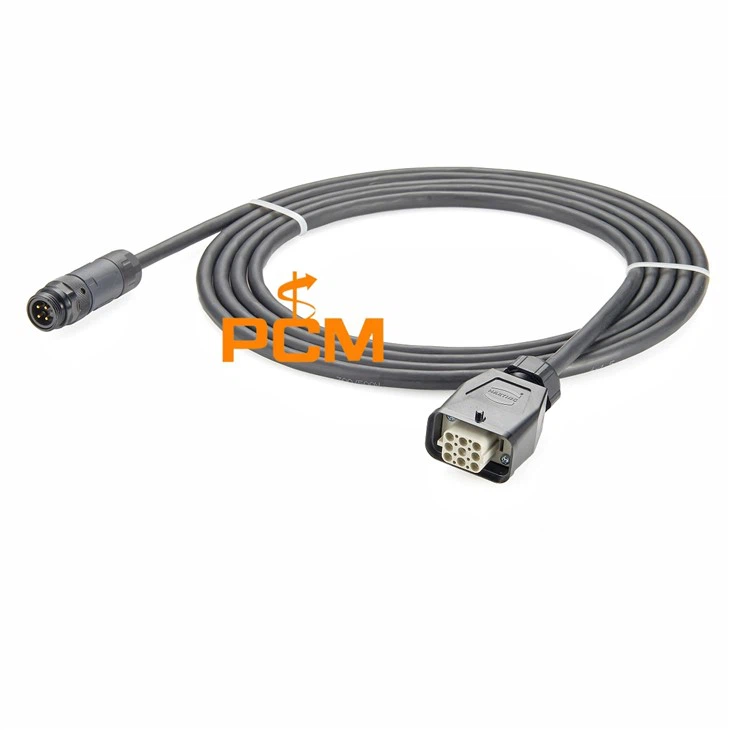

As a CAN bus cable connector supplier, I understand the critical role that these connectors play in ensuring the reliable operation of CAN bus systems. Evaluating the quality of a CAN bus cable connector is essential for both manufacturers and end-users to guarantee optimal performance and long-term durability. In this blog, I'll share some key factors to consider when assessing the quality of these connectors.
1. Electrical Performance
The electrical performance of a CAN bus cable connector is fundamental to its functionality. It directly affects the signal transmission quality and the overall stability of the CAN bus system.


Signal Integrity
One of the primary aspects of electrical performance is signal integrity. A high-quality CAN bus cable connector should minimize signal loss and distortion. This can be achieved through proper impedance matching. Impedance mismatch can lead to signal reflections, which can degrade the signal quality and cause communication errors in the CAN bus network. For example, if the impedance of the connector does not match that of the cable and the connected devices, it can result in a significant reduction in the signal strength and an increase in the bit error rate.
Voltage Rating
The voltage rating of the connector is another crucial factor. It must be able to withstand the operating voltage of the CAN bus system without experiencing electrical breakdown. A connector with an insufficient voltage rating may fail prematurely, leading to system malfunctions. For instance, in automotive applications where the CAN bus operates at relatively high voltages, using a connector with a low voltage rating can pose a serious safety risk and cause damage to the connected electronic components.
Current-Carrying Capacity
The current-carrying capacity of the connector determines how much electrical current it can safely handle. In a CAN bus system, the current requirements may vary depending on the number of connected devices and their power consumption. A connector with a low current-carrying capacity may overheat when carrying a high current, which can not only damage the connector itself but also affect the performance of the entire CAN bus network.
2. Mechanical Durability
CAN bus cable connectors are often subjected to various mechanical stresses during installation, operation, and maintenance. Therefore, mechanical durability is a key factor in evaluating their quality.
Material Quality
The materials used in the construction of the connector significantly impact its mechanical durability. High-quality connectors are typically made from robust materials such as high-grade plastics for the housing and high-conductivity metals for the contacts. For example, a connector with a housing made of a strong and heat-resistant plastic can better withstand physical impacts and environmental conditions. The metal contacts should be made of materials that are resistant to corrosion and wear, ensuring a stable electrical connection over time.
Connector Design
The design of the connector also plays an important role in its mechanical durability. A well-designed connector should have a secure locking mechanism to prevent accidental disconnection. For instance, some connectors feature a screw-lock or a bayonet-lock design, which provides a more reliable connection compared to a simple push-fit design. Additionally, the shape and size of the connector should be designed to facilitate easy installation and removal, especially in tight spaces.
Resistance to Vibration and Shock
In many applications, such as automotive and industrial environments, CAN bus systems are exposed to vibrations and shocks. A high-quality connector should be able to withstand these mechanical stresses without losing its electrical connection. This can be achieved through features such as flexible cable strain relief and shock-absorbing materials in the connector housing.
3. Environmental Resistance
CAN bus cable connectors may be exposed to a variety of environmental conditions, including temperature, humidity, dust, and chemicals. Therefore, their ability to resist these environmental factors is crucial for long-term performance.
Temperature Range
The operating temperature range of the connector is an important consideration. It should be able to function properly within the temperature range of the intended application. For example, in automotive applications, the connector may need to operate in extreme temperatures, from -40°C to 125°C. A connector that cannot withstand these temperature variations may experience changes in its electrical and mechanical properties, leading to performance degradation or failure.
Moisture and Dust Resistance
Moisture and dust can cause corrosion and short circuits in the connector, which can severely affect its performance. High-quality connectors are often designed with seals and gaskets to prevent the ingress of moisture and dust. For example, IP (Ingress Protection) ratings are used to indicate the level of protection provided by the connector against solid objects and liquids. A connector with a high IP rating, such as IP67, offers better protection against dust and water ingress.
Chemical Resistance
In some industrial environments, the connector may be exposed to chemicals such as oils, solvents, and cleaning agents. A connector that is resistant to these chemicals can maintain its performance and durability over time. For example, connectors with a chemical-resistant coating or made from chemically inert materials can better withstand exposure to harsh chemicals.
4. Compatibility
Compatibility is another important factor when evaluating the quality of a CAN bus cable connector. It ensures that the connector can be easily integrated into the existing CAN bus system.
Connector Type
There are different types of CAN bus cable connectors available, such as CANopen Connector RS232 with Programming Port, High-Quality CANbus Cable Adapters Overview Page, and CANopen Bus Connector SUB-D9 35 Degree. It is essential to choose a connector that is compatible with the type of CAN bus system and the connected devices. For example, some devices may require a specific type of connector with a certain pin configuration or electrical characteristics.
Cable Compatibility
The connector should also be compatible with the cable used in the CAN bus system. This includes factors such as the cable diameter, impedance, and insulation material. Using an incompatible cable can lead to signal loss, impedance mismatch, and other electrical problems.
5. Manufacturer Reputation and Certification
The reputation of the manufacturer and the certifications of the connector are important indicators of its quality.
Manufacturer Reputation
A manufacturer with a good reputation is more likely to produce high-quality products. You can research the manufacturer's history, customer reviews, and industry reputation to assess their reliability. A manufacturer that has been in the industry for a long time and has a track record of producing reliable connectors is generally a safer choice.
Certifications
Certifications, such as ISO 9001 for quality management systems and relevant industry standards certifications, can provide assurance of the connector's quality. These certifications indicate that the manufacturer follows strict quality control procedures and that the connector meets the required standards. For example, a connector that is certified to meet automotive industry standards is more likely to be suitable for automotive applications.
Conclusion
Evaluating the quality of a CAN bus cable connector is a complex process that involves considering multiple factors, including electrical performance, mechanical durability, environmental resistance, compatibility, and manufacturer reputation. By carefully assessing these factors, you can ensure that you choose a high-quality connector that meets the requirements of your CAN bus system.
If you are interested in purchasing high-quality CAN bus cable connectors, we are here to assist you. Our connectors are designed and manufactured to meet the highest standards of quality and performance. Contact us to discuss your specific requirements and start a procurement negotiation.
References
- Bosch, CAN Specification Version 2.0, Robert Bosch GmbH, 1991.
- ISO 11898-1:2015, Road vehicles — Controller area network (CAN) — Part 1: Data link layer and physical signalling.
- SAE J1939-11:2016, Recommended Practice for a Serial Control and Communications Vehicle Network (CAN) — Physical Layer, 250 kbit/s, Twisted Pair.