
Is 7/8 - 16un power cable suitable for high - voltage applications?
Hey there! As a supplier of 7/8 - 16un power cables, I often get asked whether these cables are a good fit for high - voltage applications. So, let's dig into this topic and break it down.
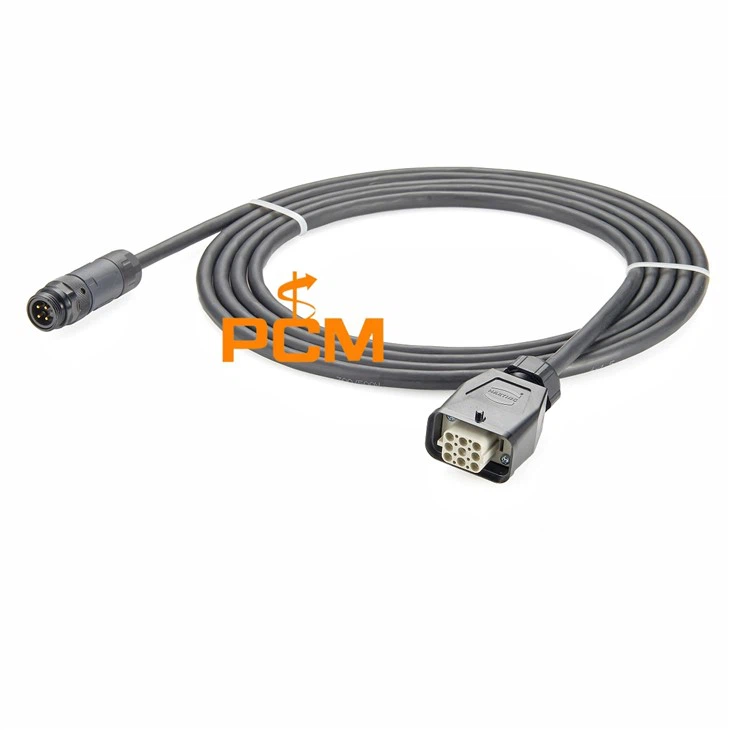
First off, what exactly is a 7/8 - 16un power cable? Well, the 7/8 refers to the outer diameter of the cable in inches, and 16un is a thread specification. These cables are commonly used in various industrial settings for power transmission and connection purposes. They come in different types and configurations, like the Power Supply Molded Cable with 7/8" Connector 3 Pin, Profibus DeviceNet Power Tap Cordset 7/8 Inch Connector 5 Poles, and DeviceNET Profibus 7/8"-16UNF Mini Change Power Extension Cable.
Now, let's talk about high - voltage applications. High - voltage usually means electrical systems that operate at voltages above a certain threshold, often several hundred volts or even thousands of volts. These applications can be found in power generation plants, large industrial machinery, and some specialized electrical equipment.
When it comes to determining if a 7/8 - 16un power cable is suitable for high - voltage applications, there are a few key factors to consider.
Insulation
One of the most important aspects is the cable's insulation. In high - voltage applications, the insulation needs to be able to withstand the high electrical stress without breaking down. A good insulation material can prevent electrical leakage, short - circuits, and other safety hazards. Our 7/8 - 16un power cables are designed with high - quality insulation materials. These materials are tested to ensure they can handle a certain level of voltage. However, the specific voltage rating depends on the type of cable and its intended use. For example, some of our cables are rated for medium - voltage applications, which might be suitable for some high - voltage scenarios with relatively lower voltage levels.
Current - carrying capacity
Another crucial factor is the cable's current - carrying capacity. High - voltage applications often involve high currents as well. The cable needs to be able to carry the required current without overheating. If a cable is overloaded with current, it can lead to a decrease in performance, damage to the cable, and even pose a fire risk. Our 7/8 - 16un power cables are engineered to have a sufficient current - carrying capacity. The cross - sectional area of the conductors inside the cable is carefully designed to handle different levels of current. But again, for high - voltage applications with extremely high currents, we need to make sure the cable is properly sized and rated.
Mechanical strength
In high - voltage environments, the cable also needs to have good mechanical strength. It may be exposed to vibrations, bending, and other physical stresses. Our cables are built to be durable. They have a robust outer sheath that protects the internal conductors and insulation from damage. This helps to ensure the cable can maintain its performance over time, even in harsh industrial conditions.


Compatibility with connectors
The connectors on the cable are also important. In high - voltage applications, the connectors need to be able to make a reliable electrical connection and withstand the high voltage. Our 7/8 - 16un power cables come with high - quality connectors that are designed to be compatible with the cable and the electrical equipment. These connectors are tested to ensure they can handle the voltage and current requirements of the application.
However, it's important to note that not all 7/8 - 16un power cables are suitable for all high - voltage applications. Some high - voltage scenarios may require specialized cables with even higher voltage ratings and more advanced features.
Case studies
Let's look at some real - world examples. In a small - scale industrial power distribution system, a 7/8 - 16un power cable might be a great choice. For instance, in a factory where the voltage is around 480V, our Power Supply Molded Cable with 7/8" Connector 3 Pin could be used to connect some of the machinery. The cable's insulation and current - carrying capacity are sufficient for this relatively lower - high - voltage application.
On the other hand, in a large power generation plant where the voltage can be in the thousands of volts, a standard 7/8 - 16un power cable may not be suitable. In such cases, we would recommend specialized high - voltage cables that are specifically designed for these extreme conditions.
Conclusion
So, to sum it up, 7/8 - 16un power cables can be suitable for some high - voltage applications, especially those with relatively lower voltage levels and moderate current requirements. But for more demanding high - voltage scenarios, it's essential to carefully evaluate the cable's specifications and make sure it meets the specific needs of the application.
If you're considering using a 7/8 - 16un power cable for a high - voltage application, I'd be more than happy to help. We can discuss your specific requirements, provide detailed product information, and even offer custom - made solutions if needed. Don't hesitate to reach out for a procurement discussion. We're here to ensure you get the right cable for your high - voltage needs.
References
- Electrical Engineering Handbook, various editions
- Industrial Cable Standards and Guidelines from relevant industry organizations.