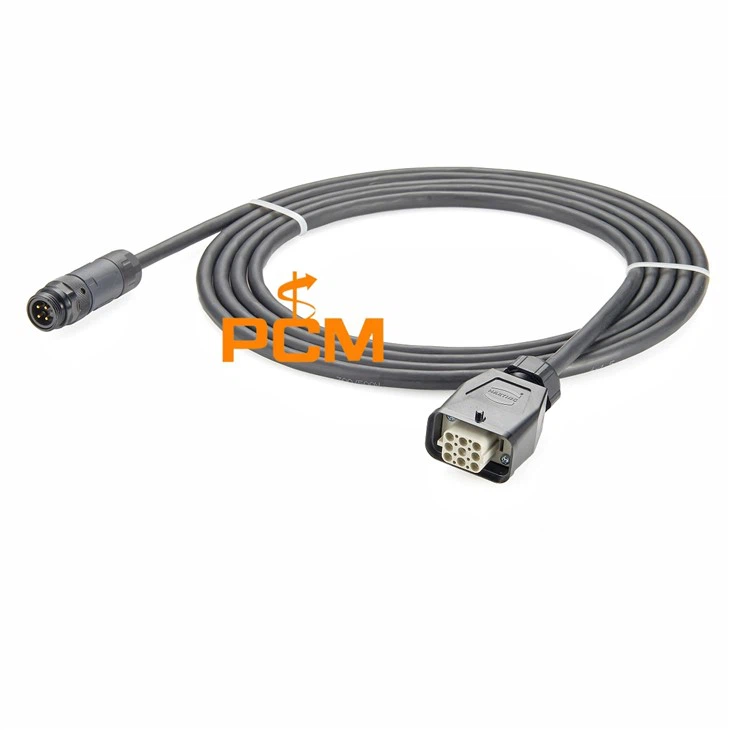

As a supplier of MPIS distribution boxes, I am often asked about the heat dissipation design of these crucial components. In this blog post, I will delve into the intricacies of heat dissipation design in MPIS distribution boxes, explaining why it is important, the various methods used, and how our products excel in this aspect.


Importance of Heat Dissipation in MPIS Distribution Boxes
MPIS distribution boxes are used in a wide range of industrial applications, where they are responsible for distributing power and signals to multiple devices. During operation, electrical components within the box generate heat due to the flow of current. If this heat is not dissipated effectively, it can lead to several problems.
Firstly, excessive heat can cause the electrical components to overheat, which may reduce their lifespan and reliability. High temperatures can accelerate the degradation of insulation materials, increase the resistance of conductors, and cause semiconductor devices to malfunction. Secondly, overheating can pose a safety risk, as it may lead to thermal runaway, where the temperature continues to rise uncontrollably, potentially resulting in a fire or explosion.
Therefore, proper heat dissipation design is essential to ensure the long - term performance and safety of MPIS distribution boxes.
Factors Affecting Heat Generation in MPIS Distribution Boxes
Before discussing the heat dissipation methods, it is important to understand the factors that contribute to heat generation in MPIS distribution boxes.
- Electrical Load: The amount of current flowing through the components in the box is a major factor. Higher electrical loads result in more power dissipation and thus more heat generation. For example, if a distribution box is supplying power to multiple high - power sensors or actuators, the heat generated will be significantly higher compared to a box with low - power devices.
- Component Efficiency: The efficiency of electrical components also plays a role. Inefficient components, such as power supplies with low conversion efficiency, will convert a larger portion of the input power into heat.
- Ambient Temperature: The temperature of the surrounding environment affects the heat dissipation process. In high - temperature environments, it is more difficult for the box to dissipate heat, as the temperature difference between the box and the environment is reduced.
Heat Dissipation Methods in MPIS Distribution Boxes
There are several methods used to dissipate heat from MPIS distribution boxes, and these can be broadly classified into passive and active methods.
Passive Heat Dissipation
- Heat Sinks: Heat sinks are commonly used in MPIS distribution boxes. They are made of materials with high thermal conductivity, such as aluminum or copper. Heat sinks work by increasing the surface area of the component that is in contact with the air. This allows more heat to be transferred from the component to the surrounding air through convection. For example, power transistors or high - power resistors in the distribution box may be attached to heat sinks to improve heat dissipation.
- Ventilation Holes: Many MPIS distribution boxes are designed with ventilation holes. These holes allow air to flow in and out of the box, facilitating natural convection. As the air inside the box heats up, it rises and exits through the upper ventilation holes, while cooler air enters through the lower holes. This continuous air flow helps to carry away the heat generated by the components.
- Thermal Conductive Materials: Some distribution boxes use thermal conductive materials between the components and the enclosure. These materials, such as thermal pads or thermal greases, improve the transfer of heat from the components to the enclosure, which can then radiate the heat to the surrounding environment.
Active Heat Dissipation
- Fans: In cases where passive heat dissipation methods are not sufficient, fans can be used. Fans force air to flow through the box, increasing the rate of heat transfer by convection. There are two main types of fans used in MPIS distribution boxes: axial fans and centrifugal fans. Axial fans are more commonly used due to their simplicity and low cost. They move air parallel to the axis of the fan blades. Centrifugal fans, on the other hand, are more suitable for applications where a higher pressure is required to force air through a restricted space.
- Cooling Systems: For very high - power applications, more advanced cooling systems may be employed. These can include liquid cooling systems, where a coolant is circulated through the box to absorb the heat and then transferred to a heat exchanger for dissipation.
Our MPIS Distribution Boxes' Heat Dissipation Design
At our company, we take heat dissipation design very seriously. Our MPIS Mini - Change 7/8"-16UNF Distribution Junction Box is designed with a combination of passive and active heat dissipation methods.
The box is made of high - quality aluminum alloy, which has excellent thermal conductivity. This allows the enclosure to act as a large heat sink, radiating heat to the surrounding environment. Additionally, it is equipped with ventilation holes strategically placed to ensure optimal natural convection.
For applications where higher heat dissipation is required, we offer an optional fan kit for our Micro - Change To Mini - Change 7/8" Connector Distribution Box 4 Port. The fan is carefully selected to provide sufficient air flow without generating excessive noise.
Our Sensor Distribution Box 8 Way M12 A - code 5 Pole also features a well - thought - out heat dissipation design. It uses thermal conductive pads between the power - consuming components and the enclosure to enhance heat transfer.
Conclusion
In conclusion, heat dissipation design is a critical aspect of MPIS distribution boxes. By effectively managing the heat generated by electrical components, we can ensure the reliability, safety, and long - term performance of these boxes. Our company's MPIS distribution boxes are designed with the latest heat dissipation technologies to meet the diverse needs of our customers.
If you are interested in our MPIS distribution boxes or have any questions about heat dissipation design, we invite you to contact us for a detailed discussion. We are committed to providing you with the best solutions for your industrial applications.
References
- Incropera, F. P., & DeWitt, D. P. (2002). Fundamentals of Heat and Mass Transfer. Wiley.
- ASHRAE Handbook - Fundamentals. American Society of Heating, Refrigerating and Air - Conditioning Engineers.