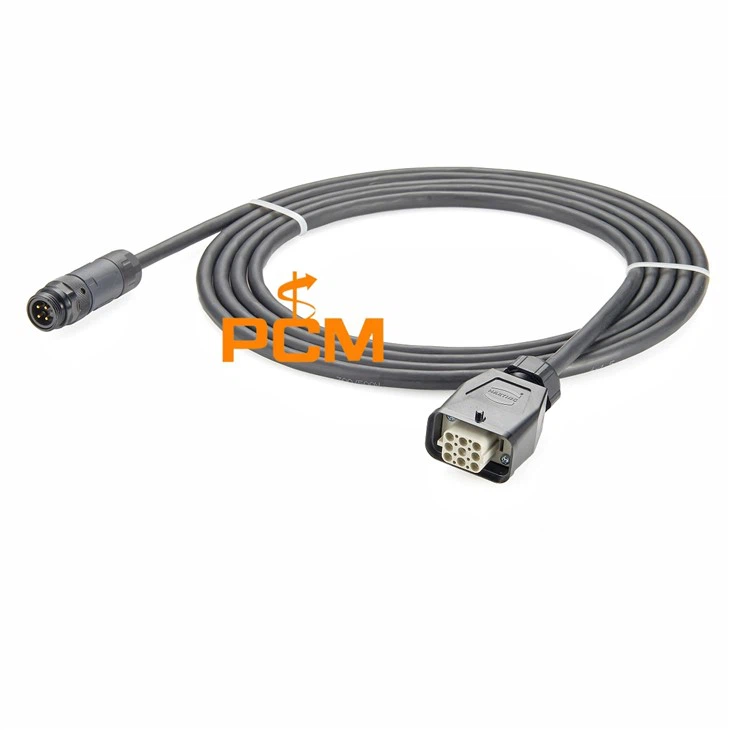

Hey there! As a supplier of Devicenet drop cables, I often get asked about the radiation resistance of these cables. So, I thought I'd write this blog to shed some light on the topic.
First off, let's understand what Devicenet drop cables are. They're an essential part of industrial networks. These cables are used to connect devices like sensors, actuators, and other field - level equipment to the main Devicenet trunk cable. They play a crucial role in making sure that data can flow smoothly between different parts of an industrial system.
Now, when we talk about radiation resistance, we're referring to a cable's ability to withstand the effects of radiation. Radiation can come from various sources, such as nuclear power plants, medical equipment, or even outer space in some high - tech applications. When a cable is exposed to radiation, it can cause a bunch of problems. The radiation can break down the cable's insulation material, which can lead to short - circuits, signal interference, and ultimately, system failures.
For Devicenet drop cables, radiation resistance is super important, especially in industries where there's a high risk of radiation exposure. For example, in nuclear power plants, these cables need to be able to function properly even when they're constantly bombarded with radiation. If the cables fail, it can have serious consequences for the safety and operation of the entire plant.
So, how do we measure the radiation resistance of a Devicenet drop cable? Well, there are a few key factors to consider. One of the main things is the type of insulation material used in the cable. Some materials are more resistant to radiation than others. For instance, certain types of fluoropolymers have excellent radiation resistance properties. These materials can withstand high doses of radiation without significant degradation.
Another factor is the thickness of the insulation. A thicker insulation layer can provide better protection against radiation. It acts as a shield, absorbing and blocking the radiation before it can reach the inner conductors of the cable.


We also need to look at the construction of the cable. A well - constructed cable with proper shielding can further enhance its radiation resistance. The shielding helps to prevent external radiation from interfering with the electrical signals inside the cable.
At our company, we take radiation resistance seriously. We use high - quality insulation materials and advanced manufacturing techniques to ensure that our Devicenet drop cables have excellent radiation resistance. We also conduct rigorous testing to make sure that our cables meet the highest standards.
Now, let me introduce you to some of our products that are related to Devicenet drop cables. We have the NMEA2000 DeviceNet Mini - C Extension Cable. This cable is great for extending the reach of your Devicenet network. It's designed to be reliable and has good radiation resistance, just like our other cables.
We also offer the M12 Bus Termination Resistor Profibus CANopen. This resistor is an important part of the Devicenet network. It helps to terminate the bus properly, reducing signal reflections and improving the overall performance of the network. And of course, it's built to withstand radiation in harsh environments.
Another product is the NMEA 2000 N2K Power Cable with Fuse 5 Pin. This power cable is essential for providing power to the devices in your Devicenet network. It has a built - in fuse for safety and is designed to be radiation - resistant.
If you're in an industry where radiation resistance is a concern, our Devicenet drop cables and related products are a great choice. We've got the expertise and the products to meet your needs. Whether you're building a new industrial system or upgrading an existing one, we can help you find the right cables and components.
If you're interested in learning more about our products or have any questions about radiation resistance or Devicenet drop cables in general, don't hesitate to reach out. We're here to help you make the best decisions for your project. We can provide you with detailed product information, technical support, and even samples if you want to test our cables in your own environment.
In conclusion, radiation resistance is a crucial aspect of Devicenet drop cables, especially in high - risk industries. By choosing the right cables with good radiation resistance, you can ensure the reliability and safety of your industrial network. So, if you're in the market for Devicenet drop cables, give us a shout. We're confident that our products will meet your requirements and exceed your expectations.
References
- "Handbook of Electrical and Electronic Insulating Materials"
- "Radiation Effects on Polymers"