A digital audio processor is a professional device for receiving, processing and outputting audio signals. It is widely used in broadcasting and television, recording studios, conference systems, theater audio, commercial public broadcasting, and high-end car audio. It can realize complex processing such as equalization (EQ), compression, limiting, reverberation, delay, mixing, frequency division, routing switching, etc. of audio signals, and improve the clarity, dynamic range and overall control of sound quality. In addition, many digital audio processors also support network audio protocols such as Dante, AVB, AES67, etc., which facilitate remote management and digital audio transmission between multiple devices.
In terms of connection, digital audio processors usually require multiple types of cables and connectors depending on their input and output interfaces. In the analog audio part, common connection methods include using XLR male and female plugs to connect balanced audio signals, TRS 6.35mm plugs for stereo line input and output, and RCA plugs for unbalanced audio connections. In terms of digital audio interfaces, the processor may use AES/EBU interface (via 110Ω XLR or DB25 cable), S/PDIF interface (using 75Ω RCA or BNC cable) or ADAT optical interface (TOSLINK) for audio transmission.
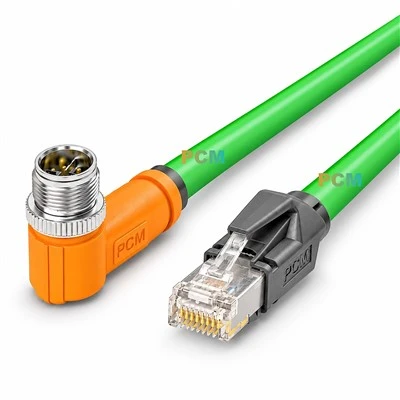
For processors that support network audio, Cat5e, Cat6 or Cat6a Ethernet cables are also used, connected through standard RJ45 or more rugged Neutrik EtherCON interface to transmit multi-channel digital audio in the audio network. In addition, some processors also have control interfaces, such as RS-232 or RS-485 serial port control (common connectors are DB9 or RJ45), or GPIO control (using pluggable terminal blocks, such as Phoenix plugs), for remote control, status monitoring or scene switching. In addition, in order to configure and manage the device, a USB cable is often used to connect to a computer for software control or firmware updates.
In general, digital audio processors have flexible applications and diverse interfaces. The required cables and connectors also vary depending on the specific use, covering a complete connection system from traditional audio cables to modern network audio solutions.