

1, Overview of M8 connector
The M8 connector, also known as the sensor connector, is renowned for its 8mm threaded locking design. This design not only ensures the firmness of the connection, but also enables the M8 connector to work stably in harsh environments such as humidity and dust. M8 connectors are usually divided into two types: those with cables and those without cables. There are two options for outlet ports, 4-6 and 6-10, to meet different connection requirements. In addition, the M8 connector also offers various configurations such as pin and hole, straight head and elbow, as well as fixing methods such as screw connections, further enhancing its flexibility and applicability.
2, Cable lengths supported by M8 connectors
The cable length supported by the M8 connector is a core parameter that determines the transmission distance and flexibility of the connector. Generally speaking, M8 connectors support a variety of cable lengths to meet the needs of different application scenarios.
Standard cable length
1 meter: Suitable for short distance connections, such as tight connections between sensors and actuators. This length of cable ensures connection stability and avoids unnecessary cable redundancy.
2 meters: In applications that require a certain transmission distance, a 2-meter cable is a common choice. It can meet the transmission requirements without being too lengthy and affecting the layout and aesthetics of the equipment.
5 meters: For applications that require longer transmission distances, a 5-meter cable provides greater flexibility. It is suitable for scenarios where the distance between sensors and actuators is far, and also provides more possibilities for device layout and installation.
10 meters: In some special applications, such as large equipment or remote monitoring systems, 10 meter long cables have become the preferred choice. This length of cable not only meets the needs of long-distance transmission, but also ensures the stability and reliability of the signal.
Customized cable length
In addition to the standard cable lengths mentioned above, M8 connectors also support customized cable lengths. This means that users can choose the appropriate cable length based on their specific needs. Customizing cable lengths usually requires communication with suppliers at the time of purchase and providing detailed specification requirements. Suppliers will produce and customize according to the needs of users to meet the requirements of specific application scenarios.
3, The influence of cable length on the application of M8 connectors
The cable length supported by the M8 connector has a significant impact on its application. Different lengths of cables are suitable for different application scenarios, and choosing the appropriate cable length is crucial to ensure the stability and reliability of the connector.
Transmission distance: The cable length directly determines the transmission distance of the M8 connector. In short distance connections, shorter cable lengths can reduce signal attenuation and interference, and improve transmission quality. In long-distance connections, it is necessary to choose a longer cable length to ensure stable signal transmission.
Equipment layout: Cable length also affects the layout and installation of equipment. Shorter cable lengths limit the placement of equipment, while longer cable lengths provide greater layout flexibility. Therefore, when selecting M8 connectors, it is necessary to choose the appropriate cable length based on the actual layout and installation requirements of the equipment.
Cost considerations: Cable length is also an important factor affecting the cost of M8 connectors. Generally speaking, longer cable lengths increase material and production costs, leading to an increase in connector prices. Therefore, when selecting cable length, it is necessary to control costs as much as possible while meeting application requirements.
Maintenance and management: The selection of cable length also involves the maintenance and management of connectors. Longer cable lengths may increase maintenance difficulty and management costs, as they require more space and attention to manage and maintain these cables. Shorter cable lengths are relatively easy to manage and maintain.
4, How to choose the appropriate cable length
When choosing the cable length for M8 connectors, multiple factors need to be considered to ensure the rationality of the selection. Here are some suggestions:
Clarify application requirements: Firstly, it is necessary to clarify the application requirements of the M8 connector, including transmission distance, equipment layout, cost budget, etc. These factors will directly affect the selection of cable length.
Consider environmental factors: When selecting cable length, it is also necessary to consider the impact of environmental factors on connector performance. For example, in humid or corrosive environments, it is necessary to choose connectors with waterproof and dustproof performance, and ensure that the cable length is sufficient to meet environmental requirements.
Reference supplier advice: When selecting cable length, you can consult the supplier's advice. Suppliers usually recommend suitable cable lengths and configurations based on customers' actual needs and application scenarios.
Conduct actual testing: Before finalizing the cable length, actual testing can be conducted to verify the rationality of the selection. Testing can evaluate the performance, stability, and reliability of connectors to ensure that the selected cable length meets application requirements.

What cable lengths does the M8 connector support?
Popular Products

HFM Mini FAKRA Cable
Single channel HFM Mini-FAKRA coaxial cable with female-female, male-male and male-female options for ADAS cameras and

IP67 Waterproof HFM FAKRA Cable
IP67 waterproof HFM to FAKRA cable with 4 connector configurations for automotive cameras, ADAS sensors and RF systems.

Hirose ST Series Connector
Hirose ST Series connector cable assemblies featuring ST40X-10S-CV, ST40X-18S-CV, ST40X-24S-CV and ST40X-36S-CV

GMSL2 FAKRA Z Code Camera Cable
3 m GMSL2 cable with FAKRA Z Code female connectors for camera-to-host, ECU, ADAS and machine vision connections.
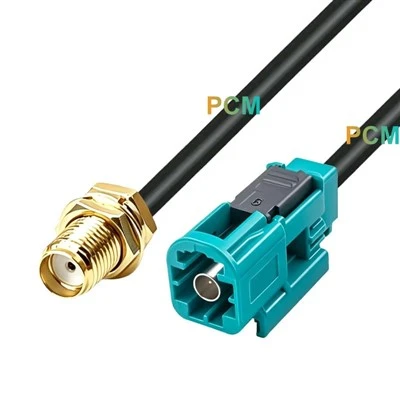
Rosenberger Fakra To SMA Cable
Rosenberger to SMA 50 Ohm coaxial cable with four connector configurations for automotive RF modules, antennas and test
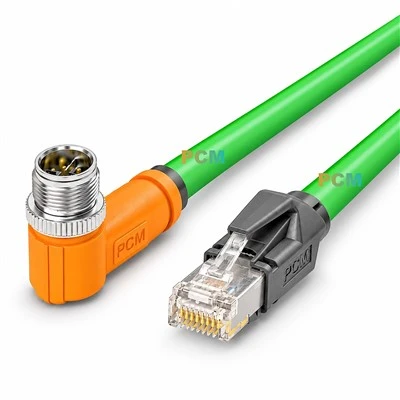
M12 X-Code To RJ45 Cable
M12 X-Code to RJ45 Cat6A cable for 10Gb industrial Ethernet, compatible with X-coded M12 devices, switches and