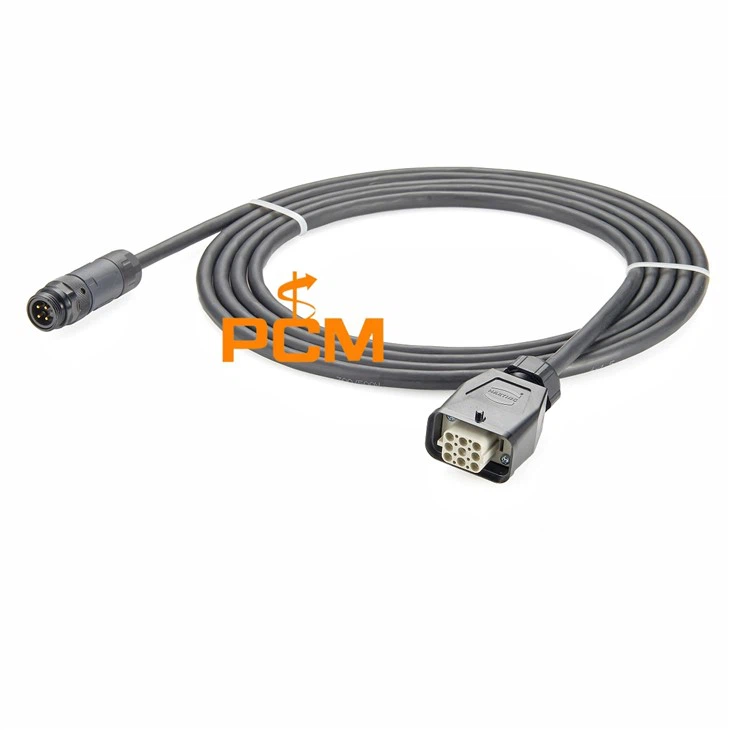

Hey there! As a supplier of field wireable connectors, I often get asked if these connectors can be used in railway applications. Well, let's dive right into it and explore this topic.
First off, what are field wireable connectors? These are connectors that can be assembled on - site, which gives a lot of flexibility during installation. You don't have to rely on pre - made cables, and you can customize the length and configuration according to your specific needs.
Now, when it comes to railway applications, the environment is pretty tough. Trains operate in a wide range of temperatures, from freezing cold in winter to scorching heat in summer. There's also a lot of vibration, shock, and exposure to dust, moisture, and even chemicals in some cases. So, can field wireable connectors handle all this?
Temperature Resistance
One of the key factors in railway applications is temperature resistance. Field wireable connectors can be designed with materials that can withstand extreme temperatures. For example, some of our connectors use high - grade plastics and metals that have been tested to work reliably in temperatures ranging from - 40°C to 85°C. This wide temperature range ensures that the connectors won't fail due to thermal expansion or contraction, which is crucial for the safety and reliability of railway systems.
Vibration and Shock Resistance
Trains are constantly in motion, which means there's a lot of vibration and shock. Our field wireable connectors are engineered to have a secure locking mechanism. This locking system keeps the connections tight even under high - vibration conditions. For instance, the threaded locking on some of our connectors provides a firm hold, preventing the connection from loosening over time. This is essential because a loose connection can lead to signal loss or electrical failures, which can be a major problem in railway operations.
Dust and Moisture Protection
Railway environments are often dirty and exposed to the elements. Dust can clog connectors and moisture can cause corrosion. Many of our field wireable connectors are designed with IP (Ingress Protection) ratings. An IP rating indicates the level of protection against solids and liquids. For example, an IP67 - rated connector, like our USB Waterproof IP67 Extension Cable, is dust - tight and can withstand temporary immersion in water. This protection ensures that the connectors can operate reliably in harsh railway conditions.
Signal Integrity
In railway systems, accurate signal transmission is vital. Field wireable connectors are designed to maintain signal integrity. They have precise contact designs that minimize signal loss and interference. For example, our Profibus M12 B Code Field Bus Connector Cable is specifically engineered for use in field bus systems, where it can transmit data accurately and reliably over long distances.
Installation Flexibility
Another advantage of using field wireable connectors in railway applications is the installation flexibility. Railway systems are complex and often require custom - made cable assemblies. With field wireable connectors, installation teams can quickly adapt to different requirements on - site. They can cut cables to the right length and assemble the connectors without having to wait for pre - fabricated cables. This saves time and reduces installation costs.
Cost - Effectiveness
Cost is always a consideration in any project, and railway projects are no exception. Field wireable connectors can be more cost - effective than pre - made cable assemblies. Since you can assemble the connectors on - site, you only need to purchase the necessary components. There's no need to pay for the additional cost of pre - fabrication and shipping of pre - made cables. This can result in significant cost savings, especially for large - scale railway projects.
Compatibility
Our field wireable connectors are designed to be compatible with a wide range of railway systems and equipment. Whether it's for communication systems, control systems, or power distribution, we have connectors that can meet the requirements. For example, our DB9 VGA 45 Degree Elbow Cable Assemblies can be used in display and monitoring systems in railway cabins.
Safety
Safety is of utmost importance in railway applications. Our field wireable connectors are manufactured to meet strict safety standards. They are tested for electrical insulation, short - circuit protection, and fire resistance. This ensures that the connectors won't pose any safety risks to the railway system or the passengers.


Case Studies
Let's take a look at some real - world examples. In a recent railway project, our field wireable connectors were used in a signaling system. The project required a connector that could withstand high - vibration and extreme temperature conditions. Our connectors were installed on - site, and they have been operating reliably for over a year. The installation team was able to quickly assemble the connectors, which saved a lot of time compared to using pre - made cables.
In another case, a railway maintenance company needed a connector for a power distribution system. They chose our field wireable connectors because of their IP67 rating and cost - effectiveness. The connectors were able to withstand the harsh outdoor environment and provided a stable power connection.
Conclusion
So, can field wireable connectors be used in railway applications? The answer is a resounding yes! They offer temperature resistance, vibration and shock resistance, dust and moisture protection, signal integrity, installation flexibility, cost - effectiveness, compatibility, and safety.
If you're involved in a railway project and are looking for high - quality field wireable connectors, we'd love to hear from you. Whether you need a small number of connectors for a maintenance job or a large quantity for a new railway construction project, we can provide you with the right solutions. Contact us to start a discussion about your specific requirements and let's work together to make your railway project a success.
References
- Railway Industry Association Standards on Electrical Connectors
- Manufacturer's Technical Data Sheets on Field Wireable Connectors
- Case Studies from Railway Projects Using Field Wireable Connectors