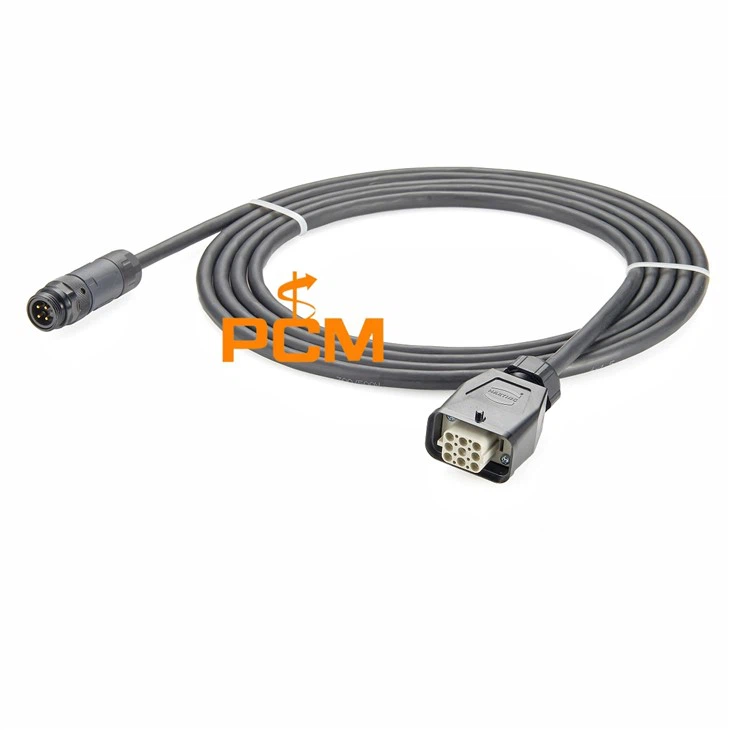

Hey there! As a supplier of CAN bus cable connectors, I've seen firsthand how environmental factors can take a toll on these crucial components. In this blog, I'm gonna share some tips on how to protect your CAN bus cable connectors from the elements.
Understanding the Threats
Before we dive into the protection methods, let's take a look at the environmental factors that can harm CAN bus cable connectors.
Moisture
Moisture is one of the biggest enemies of electronic components. When water gets into a CAN bus cable connector, it can cause corrosion, short circuits, and signal interference. This is especially a problem in industries like automotive, marine, and outdoor equipment, where connectors are often exposed to rain, humidity, or even submersion.
Temperature
Extreme temperatures can also have a negative impact on CAN bus cable connectors. High temperatures can cause the insulation materials to degrade, leading to a loss of electrical properties. On the other hand, low temperatures can make the materials brittle, increasing the risk of cracking and damage.
Dust and Dirt
Dust and dirt can accumulate inside the connectors, which can block the electrical contacts and disrupt the signal transmission. In industrial environments, where there is a lot of airborne dust and debris, this can be a significant issue.
Chemicals
Exposure to chemicals such as solvents, oils, and acids can corrode the metal parts of the CAN bus cable connectors and damage the insulation. This is common in chemical processing plants, refineries, and other industrial settings.
Protection Methods
Now that we know what we're up against, let's talk about how to protect CAN bus cable connectors from these environmental factors.
Sealing
One of the most effective ways to protect against moisture and dust is to use sealed connectors. Sealed connectors are designed with gaskets or O - rings that prevent water, dust, and dirt from entering the connector. When choosing sealed connectors, make sure they are rated for the specific environmental conditions they will be exposed to. For example, if the connectors will be used in a marine environment, look for connectors with a high IP (Ingress Protection) rating, such as IP67 or IP68, which offer excellent protection against water and dust.
We offer a wide range of sealed CAN bus cable connectors, like the CANopen Cable Pur Jacket M12 A - Code. These connectors are designed with high - quality seals that provide reliable protection against moisture and dust, making them suitable for a variety of harsh environments.
Protective Enclosures
Another option is to use protective enclosures. These enclosures can be made of plastic, metal, or other materials and are designed to house the CAN bus cable connectors. They provide an extra layer of protection against moisture, dust, and physical damage. When installing the connectors in an enclosure, make sure to use proper cable glands to seal the entry points of the cables, preventing water and dust from getting inside.
Temperature Management
To protect against extreme temperatures, you can use connectors with temperature - resistant materials. For high - temperature applications, look for connectors with insulation materials that can withstand elevated temperatures without degrading. Some connectors are also designed with heat - dissipating features, such as heat sinks, to help keep the temperature down.
In cold environments, you may need to use heaters or insulation to prevent the connectors from getting too cold. For example, you can use self - regulating heating tapes around the cables and connectors to maintain a suitable operating temperature.
Regular Maintenance
Regular maintenance is crucial for the long - term protection of CAN bus cable connectors. This includes cleaning the connectors to remove dust and dirt, inspecting them for signs of damage or corrosion, and tightening any loose connections. You can use a non - conductive cleaning solution and a soft brush to clean the connectors. If you notice any signs of damage, such as cracked insulation or corroded contacts, replace the connector immediately.
Chemical Resistance
If the connectors will be exposed to chemicals, choose connectors that are made of chemical - resistant materials. Some connectors are coated with a protective layer that can resist the effects of chemicals. Additionally, make sure to follow proper handling and storage procedures to minimize the risk of chemical exposure.
Choosing the Right Connectors
When selecting CAN bus cable connectors, it's important to choose the ones that are suitable for the specific environmental conditions. Consider the following factors:
Application Requirements
Think about the specific application where the connectors will be used. For example, if it's an automotive application, the connectors need to be able to withstand vibrations, temperature variations, and moisture. If it's an industrial application, they may need to be resistant to chemicals and dust.
Environmental Rating
Look for connectors with the appropriate environmental ratings. The IP rating system is commonly used to indicate the level of protection against dust and water. The higher the IP rating, the better the protection.


Compatibility
Make sure the connectors are compatible with your existing CAN bus system. This includes the electrical specifications, such as voltage, current, and signal integrity, as well as the mechanical dimensions and connection types.
We offer a variety of high - quality CAN bus cable connectors, such as the CANopen Bus Connector SUB - D9 35 Degree and the products listed on our High - Quality CANbus Cable Adapters Overview Page. These connectors are designed to meet different application requirements and environmental conditions, ensuring reliable performance.
Conclusion
Protecting CAN bus cable connectors from environmental factors is essential for ensuring the reliable operation of your CAN bus system. By understanding the threats, using the right protection methods, and choosing the appropriate connectors, you can extend the lifespan of your connectors and minimize the risk of system failures.
If you're in the market for high - quality CAN bus cable connectors or need more information on how to protect them from environmental factors, don't hesitate to reach out. We're here to help you find the best solutions for your specific needs. Whether you're working on an automotive project, an industrial application, or any other CAN bus - related endeavor, our team of experts can provide you with the guidance and support you need. So, let's start a conversation and see how we can work together to keep your CAN bus system running smoothly.
References
- Manufacturer's documentation for CAN bus cable connectors
- Industry standards for environmental protection of electronic components