Technical Specifications
Communication Protocol
NMEA 0183 uses serial communication based on RS-232, transmitting ASCII text messages in point-to-point mode with a baud rate of 4800 bps (standard) or 38400 bps (high speed).
NMEA 2000 uses CAN bus technology, supports full-duplex communication with multiple masters and multiple slaves, and has a transmission rate of 250 kbps.
Physical Layer
NMEA 0183: Uses two wires for single-ended serial data transmission.
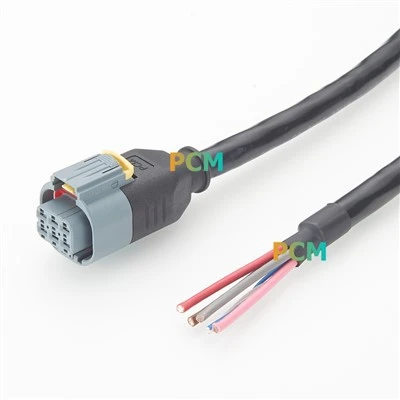
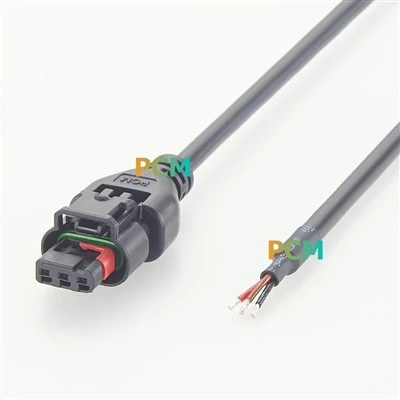
NMEA 2000: Uses shielded twisted pair and 5-pin connector (M12 or Micro-C) for differential signal transmission, enhancing anti-interference capabilities.
Message Format
NMEA 0183: ASCII text message, each message starts with "$", ends with a carriage return and line feed, and is no longer than 82 characters.
NMEA 2000: Binary data frame, using the standard CAN message format, with a frame length of 29-bit identifier and 8-byte data part, providing efficient data transmission.
Application Scenario
Device connection method
NMEA 0183 is suitable for simple point-to-point connections and is not suitable for complex networks.
NMEA 2000 is suitable for complex multi-device networks, supports dynamic topology, and is suitable for large ships and complex systems.


Scalability and flexibility
NMEA 0183: Limited scalability, adding new devices requires additional serial ports and wiring, and poor flexibility.
NMEA 2000: Highly scalable, devices can be easily added or removed without rewiring, high flexibility, and support for a variety of devices and application scenarios.
Function and performance
Data transmission volume
NMEA 0183 has a low data transmission rate and is suitable for low bandwidth requirements. One-way communication and limited message length result in low transmission efficiency.
NMEA 2000 has a high data transmission rate and is suitable for high bandwidth requirements. Two-way communication and efficient data frame format improve transmission efficiency and real-time performance.
Network management
NMEA 0183 lacks a centralized management mechanism, which makes network configuration and management complex. It also does not support automatic identification and configuration of devices, requiring manual setting of device parameters.
In contrast, NMEA 2000 supports network management functions, enabling automatic identification and configuration of devices, while providing network diagnostics and monitoring functions, significantly simplifying the network maintenance and troubleshooting process.
Reliability and stability
Anti-interference ability:
NMEA 0183: Weak anti-interference ability, easily affected by electromagnetic interference.
NMEA 2000: Uses differential signal transmission and shielded twisted pair, strong anti-interference ability, suitable for complex electromagnetic environments.
Reliability:
NMEA 0183: One-way communication and physical connection methods lead to low reliability and are easily affected by single point failures.
NMEA 2000: Multi-master multi-slave structure and redundant design improve network reliability and fault tolerance.
NMEA 0183: Suitable for simple, low-bandwidth applications, device connection and network management are relatively complex, and scalability and anti-interference capabilities are weak.
NMEA 2000: Suitable for complex, high-bandwidth applications, providing efficient and reliable multi-device network connections, with strong scalability and anti-interference capabilities.
NMEA 2000 significantly improves the shortcomings of NMEA 0183, provides a more modern solution, and meets the needs of modern marine electronic systems for high performance and high reliability.