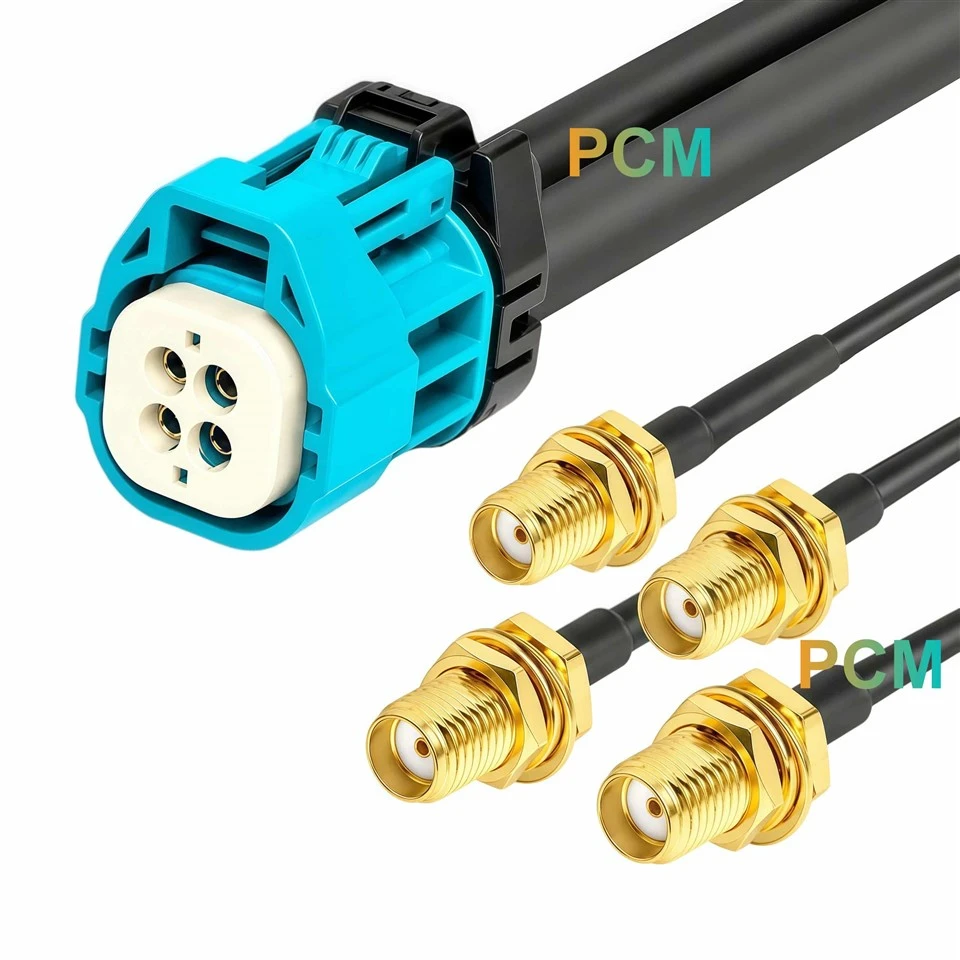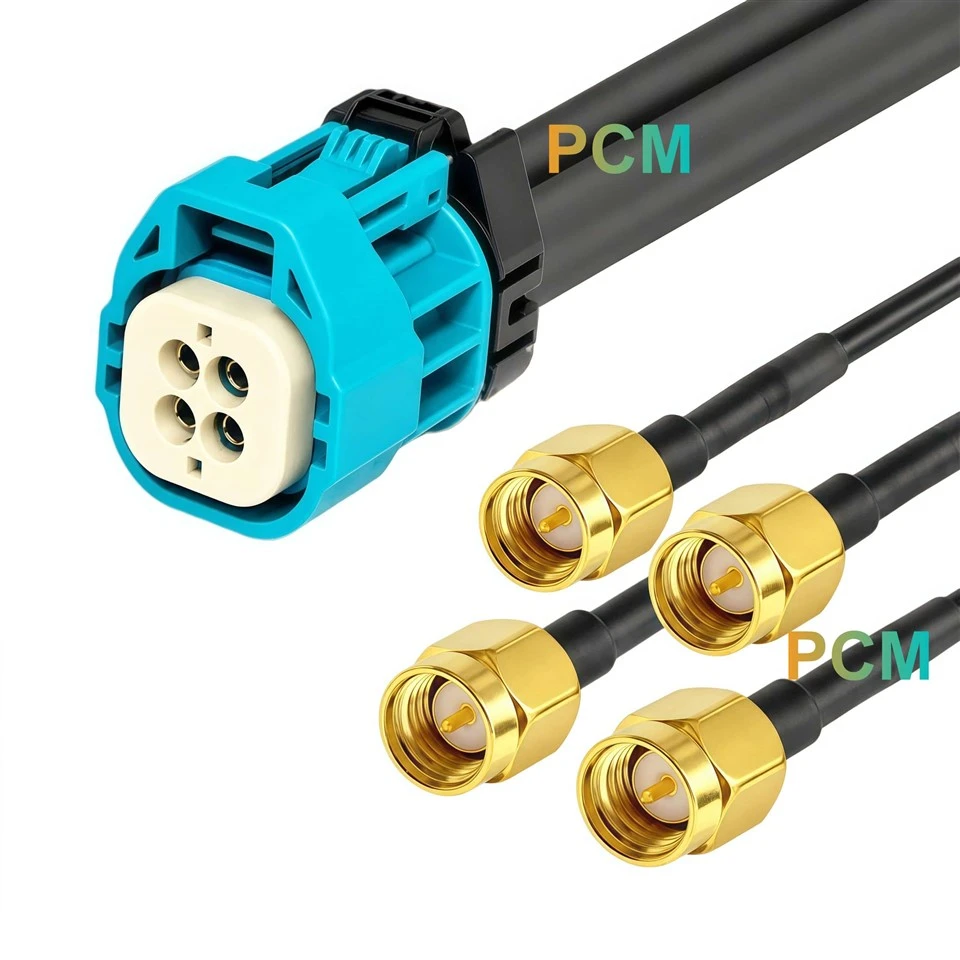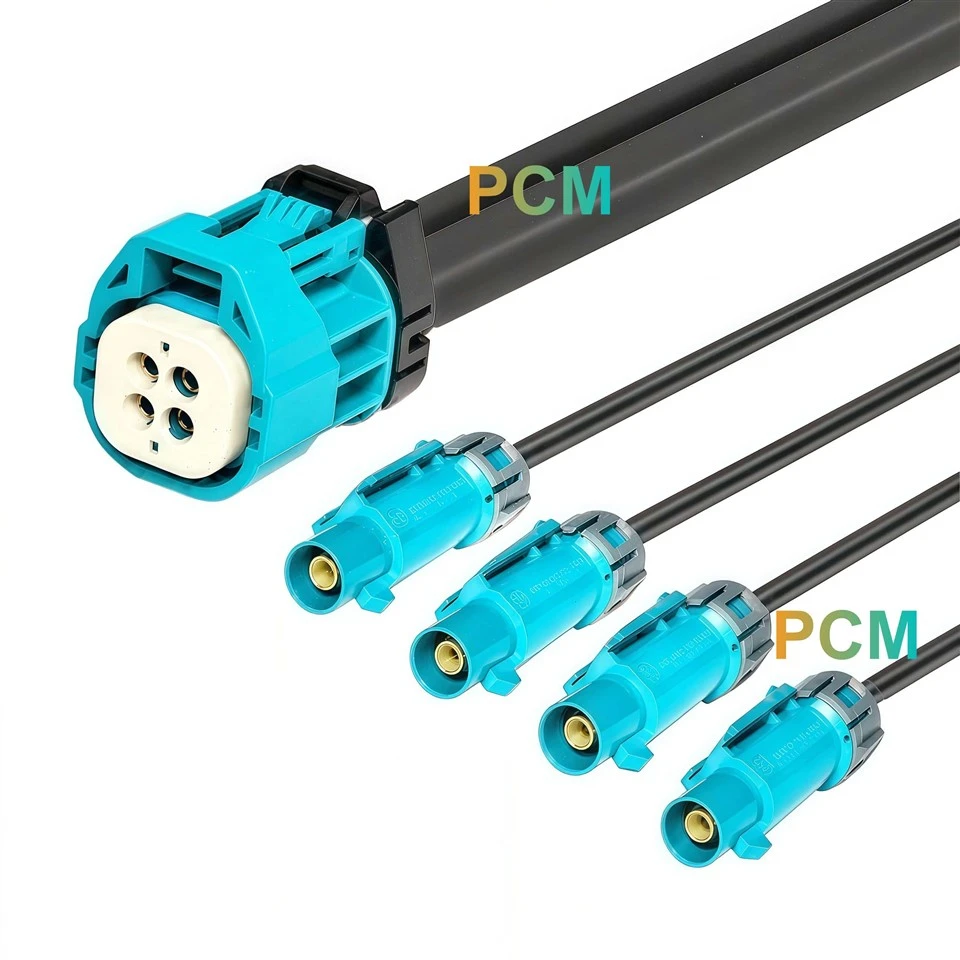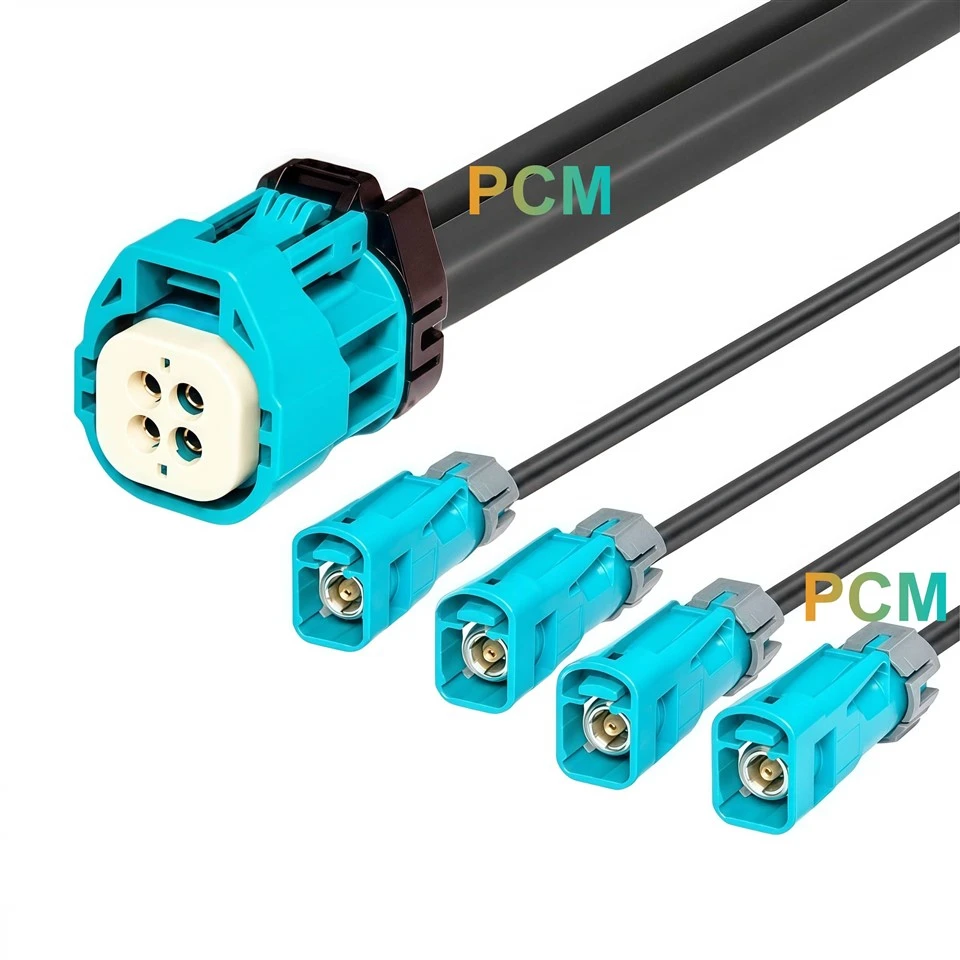
01
Product Display
|
|
|
|

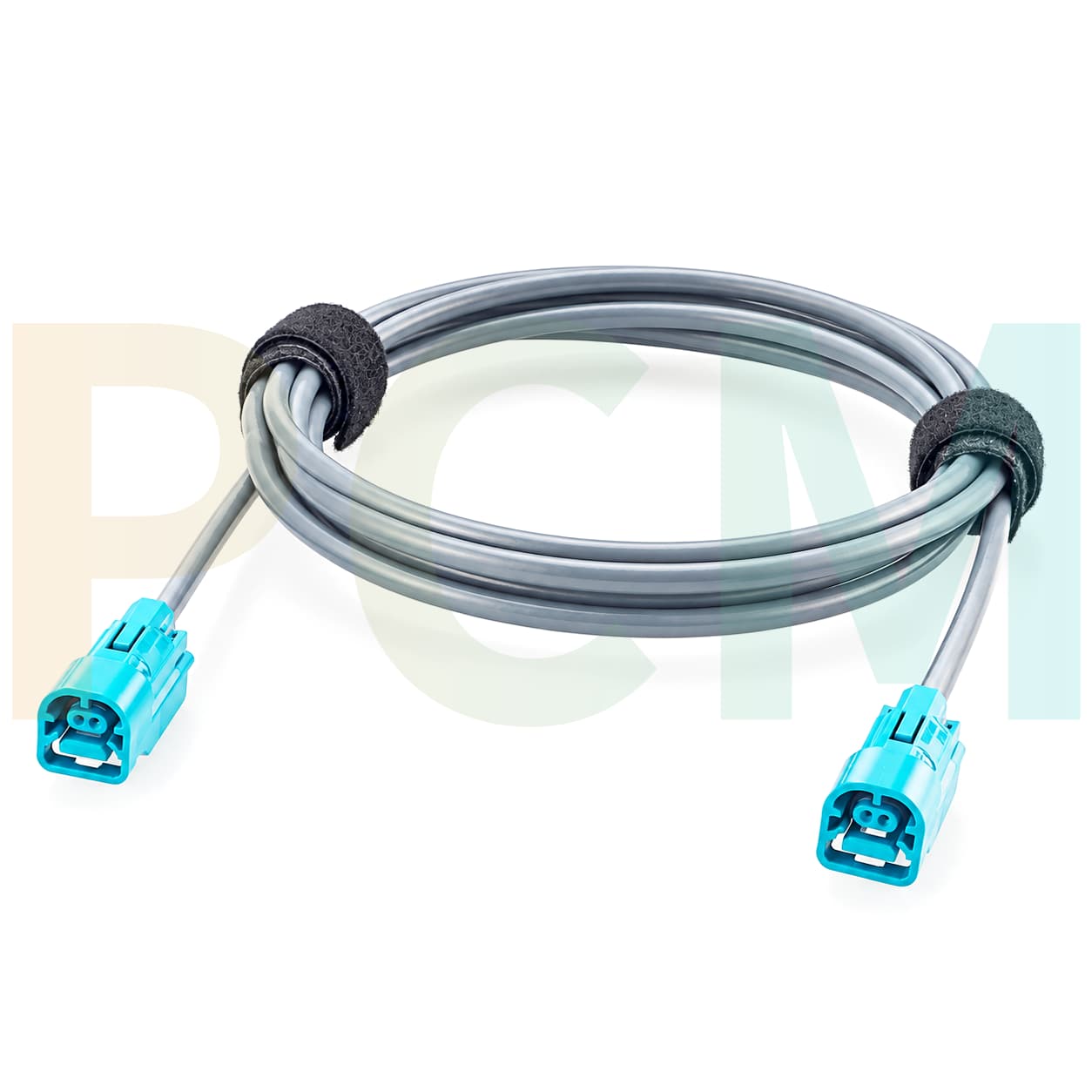
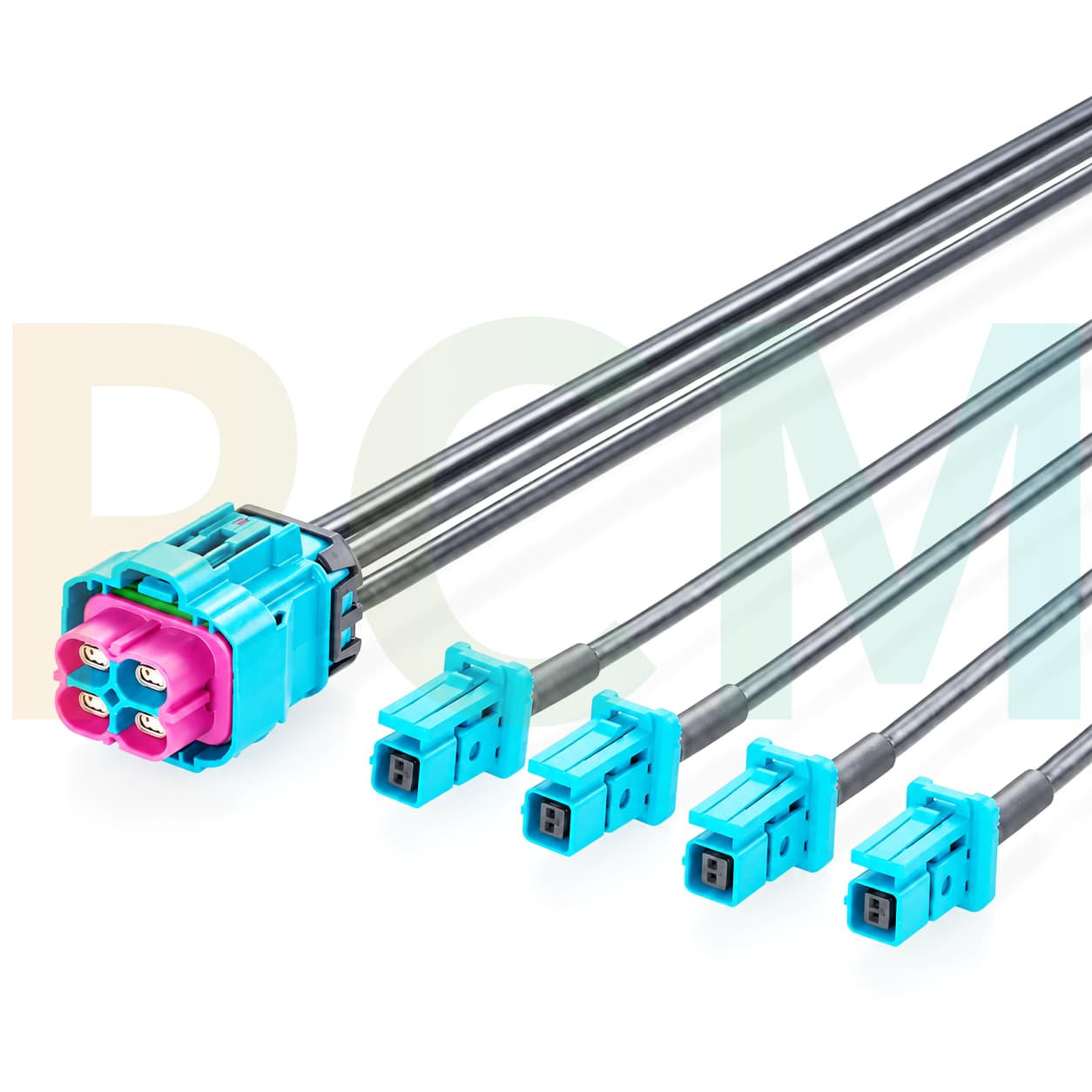
What Is Gebauer & Griller GG 132 Cable ?
GG 132 is an automotive data cable belonging to the Gebauer & Griller GG 2Speed® product family. It is an UTP (Unshielded Twisted Pair) cable designed for automotive data communication.
It primarily addresses lower-data-rate automotive Ethernet requirements, enabling electronic devices to communicate through a single twisted-pair cable.
As vehicle network architectures continue to evolve, traditional communication technologies such as CAN, CAN FD, and LIN are increasingly integrated with automotive Ethernet. For electronic devices that do not require extremely high bandwidth but need efficient network connectivity, Single Pair Ethernet technologies such as 10BASE-T1S provide an alternative communication solution.
GG 132 is one of the cable solutions developed for these automotive data transmission requirements.
Key Technical Features of GG 132
| Technical Item | GG 2Speed 132 |
| Manufacturer | Gebauer & Griller |
| Product Series | GG 2Speed |
| Cable Type | UTP |
| Cable Structure | Unshielded Twisted Pair |
| Typical Application | Automotive Low-Speed Ethernet |
| Related Technologies | 10BASE-T1S, SAE J3117/4 |
The main design characteristic of GG 132 is its unshielded twisted-pair construction. Compared with cables incorporating metallic shielding, UTP cables do not contain an overall metallic shielding layer, reducing shielding materials and related manufacturing complexity.
The twisted-pair geometry helps improve differential signal transmission characteristics through the controlled twisting of the conductors. Although UTP cables do not include an additional overall metallic shield, they can still meet the requirements of specific automotive Ethernet applications when the complete system is properly designed and EMC-validated.
The value of GG 132 is not simply achieving the highest possible data rate. Instead, it provides a streamlined cable solution for automotive low-data-rate networks and multi-node connectivity.
What Is Gebauer & Griller GG 251 Cable ?
GG 251 is a high-performance automotive data cable in the Gebauer & Griller GG 2Speed® product family. It features an STP (Shielded Twisted Pair) construction.It is primarily designed for high-speed automotive data transmission applications requiring greater bandwidth and stricter signal integrity requirements.
Unlike the unshielded construction of GG 132, GG 251 incorporates metallic shielding around the twisted-pair conductors. This shielding helps reduce external electromagnetic interference and the impact of crosstalk between cables.GG 251 is an important product in GG Group's automotive high-speed data cable portfolio. According to the manufacturer, it is suitable for various automotive data transmission protocols and is compatible with major automotive connector systems.
It is also used in high-speed connector cable assemblies, including Rosenberger H-MTD configurations, making it a relevant cable option for automotive electronic systems requiring high-frequency differential signal connections.

Key Technical Features of GG 251
| Technical Item | GG 2Speed 251 |
| Manufacturer | Gebauer & Griller |
| Product Series | GG 2Speed |
| Wire Type | STP |
| Cable Structure | Shielded Twisted Pair |
| Shielding Design | Aluminum plastic composite foil and copper woven shield |
| Typical Applications | High-speed data transmission in cars |
| Connector Compatibility | Main Automotive Connector System |
| Related Applications | Automotive Ethernet, High-Speed Differential Data |
The defining feature of GG 251 is its shielded twisted-pair construction.
According to GG Group-related technical documentation, GG 251 incorporates an aluminum-polymer composite foil wrapped around the twisted pair, together with an additional copper braid shield. This combined shielding structure helps improve electromagnetic shielding performance and supports signal integrity requirements in high-speed data transmission.
At high signal frequencies, insertion loss, return loss, shielding effectiveness, and impedance consistency all influence the performance of the complete data channel. Therefore, GG 251's design must consider not only the conductors and insulation materials but also the shielding structure and twisted-pair lay characteristics.
Why Is Shielding Important for GG 251 ?
As the number of automotive cameras, radar sensors, and high-speed control units increases, in-vehicle data transmission channels become increasingly complex. Electronic devices and power circuits may generate electromagnetic interference that affects high-speed communication.
GG 251 combines aluminum-polymer composite foil and copper braid shielding to provide several benefits:
1. Reduced External EMI: Helps minimize the influence of external electromagnetic interference on differential signals.
2. Improved Shielding Coverage: The combined shielding structure enhances the overall shielding performance of the cable.
3. High-Frequency Signal Support: Provides a suitable cable construction for high-frequency differential data channels.
4. Signal Integrity Support: When combined with appropriate connectors and termination designs, it helps reduce the impact of electromagnetic interference on data transmission.

Major Differences

UTP vs. STP Cable Construction
GG 132 uses an UTP construction, in which the internal conductors are arranged as a twisted pair without an overall metallic shielding layer. This relatively simple construction reduces the use of shielding materials and addresses the design requirements of specific low-data-rate automotive Ethernet applications.
GG 251 features an STP construction with aluminum-polymer composite foil and copper braid shielding around the twisted pair. Compared with an unshielded design, this construction provides additional electromagnetic interference protection and is better suited to high-speed data transmission environments with demanding shielding and signal integrity requirements.
The main difference is therefore not simply the presence or absence of shielding, but the way each cable is engineered for different electromagnetic environments and transmission requirements.
Different Data Transmission Requirements
GG 132 primarily targets low-data-rate automotive Ethernet applications, including technologies such as 10BASE-T1S. These networks focus on multi-node connectivity, network architecture integration, and communication between lower-data-rate automotive devices.
GG 251 is designed for higher-speed data transmission requirements. As high-resolution automotive cameras, driver assistance systems, and centralized computing platforms become more common, more devices require high-speed differential data channels.
Its shielding construction and high-frequency cable design make GG 251 suitable for more demanding high-speed data transmission projects.


Different Electromagnetic Compatibility Requirements
Inside a vehicle, power cables, electric motors, control modules, and other electronic devices can create complex electromagnetic environments.
GG 132 does not have an overall metallic shielding layer. Therefore, its application should be evaluated together with equipment placement, harness routing, twisted-pair design, and vehicle-level EMC validation.
GG 251 uses aluminum-polymer composite foil and copper braid to provide additional shielding, helping reduce external interference and electromagnetic coupling between adjacent cables.
For high-speed data transmission projects with demanding shielding requirements, GG 251 is generally the more relevant solution to evaluate.
Different Automotive Application Scenarios
GG 132 is more suitable for communication between low-data-rate network devices inside vehicles. For example, certain body control modules, sensor nodes, and electronic devices connected to Single Pair Ethernet networks may use an appropriate UTP cable according to the system architecture.
GG 251 is more relevant to automotive electronic systems requiring high-speed data exchange, including:
- ADAS front-view and surround-view cameras.
- High-resolution digital cameras.
- Automotive high-speed data gateways.
- In-vehicle infotainment systems.
- High-speed ECU communication.
- High-speed cable assemblies using interfaces such as H-MTD.

How to Choose Between GG 132 and GG 251 ?
★ When Should You Choose GG 132 ?
If your automotive project primarily involves low-data-rate Single Pair Ethernet communication, such as connecting multiple electronic devices through 10BASE-T1S, GG 132 is worth evaluating.
Key considerations include:
- Whether the target devices support the corresponding Single Pair Ethernet protocol.
- Whether the network topology and node count meet the design requirements.
- Whether the cable length complies with the recommended link conditions.
- Whether the UTP construction can pass vehicle-level EMC validation.
- Whether the connectors and termination methods are compatible with the cable.
★ When Should You Choose GG 251 ?
If your project involves high-speed automotive data transmission, such as ADAS cameras, high-resolution digital cameras, high-speed ECU communication, or Rosenberger H-MTD cable assemblies, GG 251 is a cable worth considering.
Key considerations include:
- The target data transmission protocol and required bandwidth.
- Whether the connector supports the required high-speed performance.
- Whether the shielding structure and termination method meet system design requirements.
- Whether the cable length meets insertion loss and return loss requirements.
- Whether the complete transmission channel passes the relevant electrical performance tests.
Product FAQ
What Is the Relationship Between GG 251 and Rosenberger H-MTD ?
In automotive high-speed data connectivity, GG 251 and Rosenberger H-MTD are two product names that frequently appear together, but they represent different types of components.
GG 251: An automotive high-speed data cable manufactured by Gebauer & Griller, featuring an STP construction.
Rosenberger H-MTD: An automotive high-speed differential data connector system developed by Rosenberger for connecting cables to electronic devices.
These two products can be combined to create a complete high-speed data cable assembly.
In this configuration, GG 251 provides the cable transmission path, while H-MTD establishes the mechanical and electrical connection between the cable and the equipment.The advantage of this combination is that an established automotive high-speed cable can be integrated with a corresponding automotive-grade connector to create a pre-terminated harness for a specific project.
What Is the Difference Between UTP and STP Cables ?
UTP and STP are two common cable constructions used in automotive data transmission.
UTP (Unshielded Twisted Pair) cables transmit differential signals through twisted conductors without an overall metallic shielding layer. They feature a relatively simple construction with opportunities to optimize cable weight and material usage.
STP (Shielded Twisted Pair) cables incorporate metallic shielding around the twisted conductors, providing additional electromagnetic interference protection for the internal signals.Neither construction is universally superior. Each is designed to address different data transmission requirements and electromagnetic environments.
What is the main difference between GG 132 and GG 251 ?
The main differences are cable construction and design purpose. GG 132 is an UTP cable primarily intended for low-data-rate automotive Ethernet, while GG 251 is an STP cable designed for high-speed automotive data transmission.
Can Premier Cable customize GG 132 and GG 251 cable assemblies ?
Premier Cable can develop customized automotive data cable assemblies according to project requirements, including connector configurations, cable lengths, termination structures, and pin assignments. Production is subject to cable availability, technical specifications, and connector compatibility.