01
Product Display
|
|
|
|
What Is the 2398010-5 Product ?
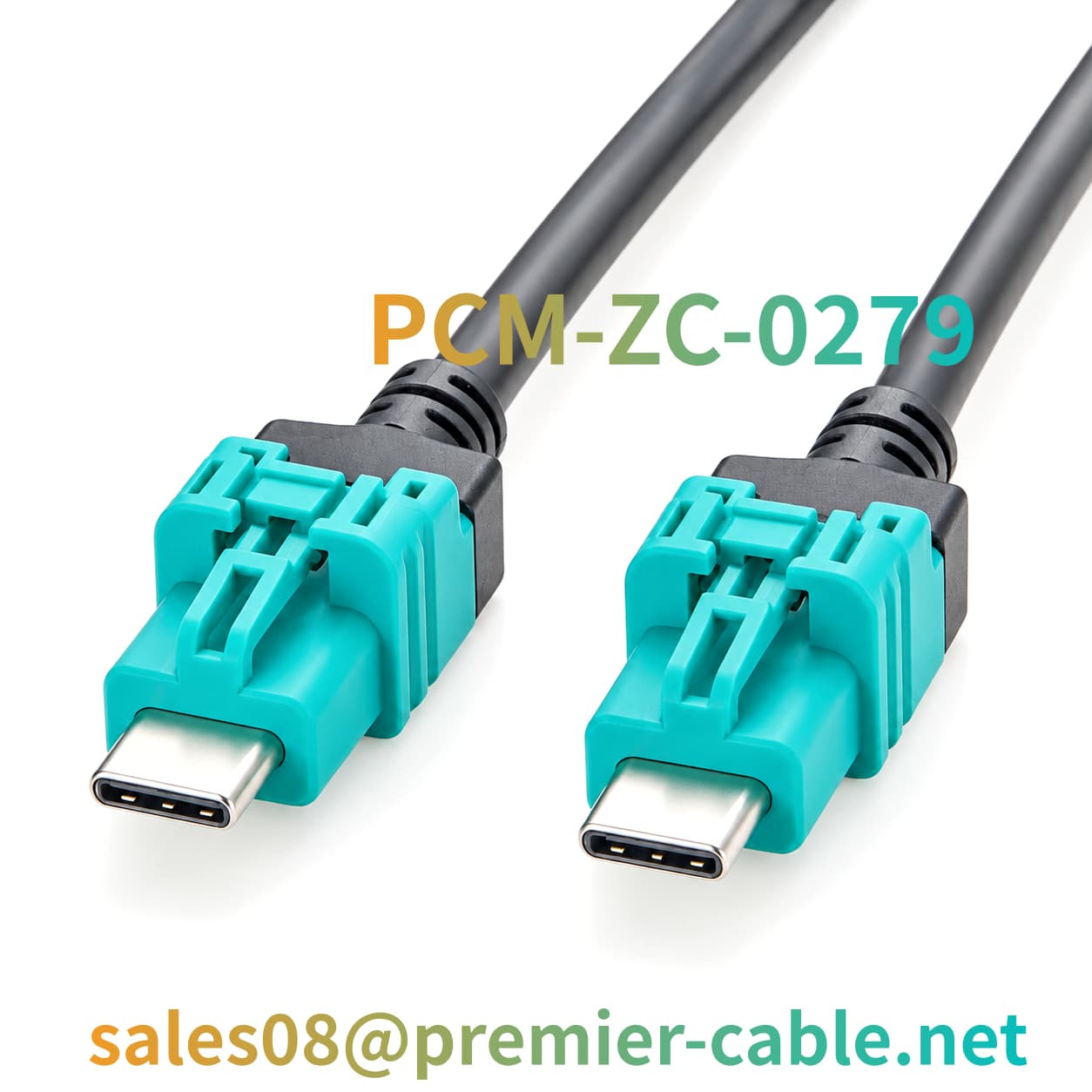
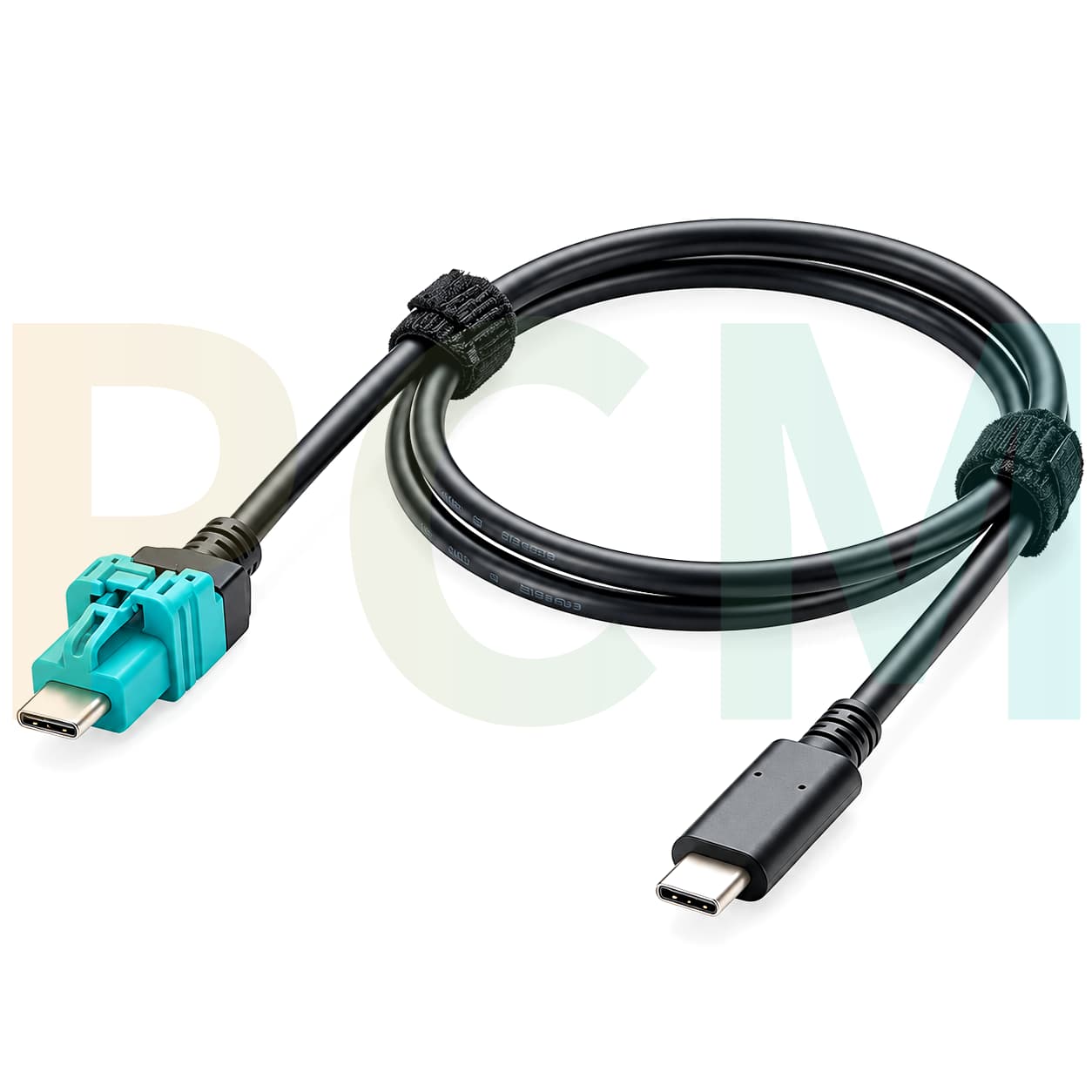
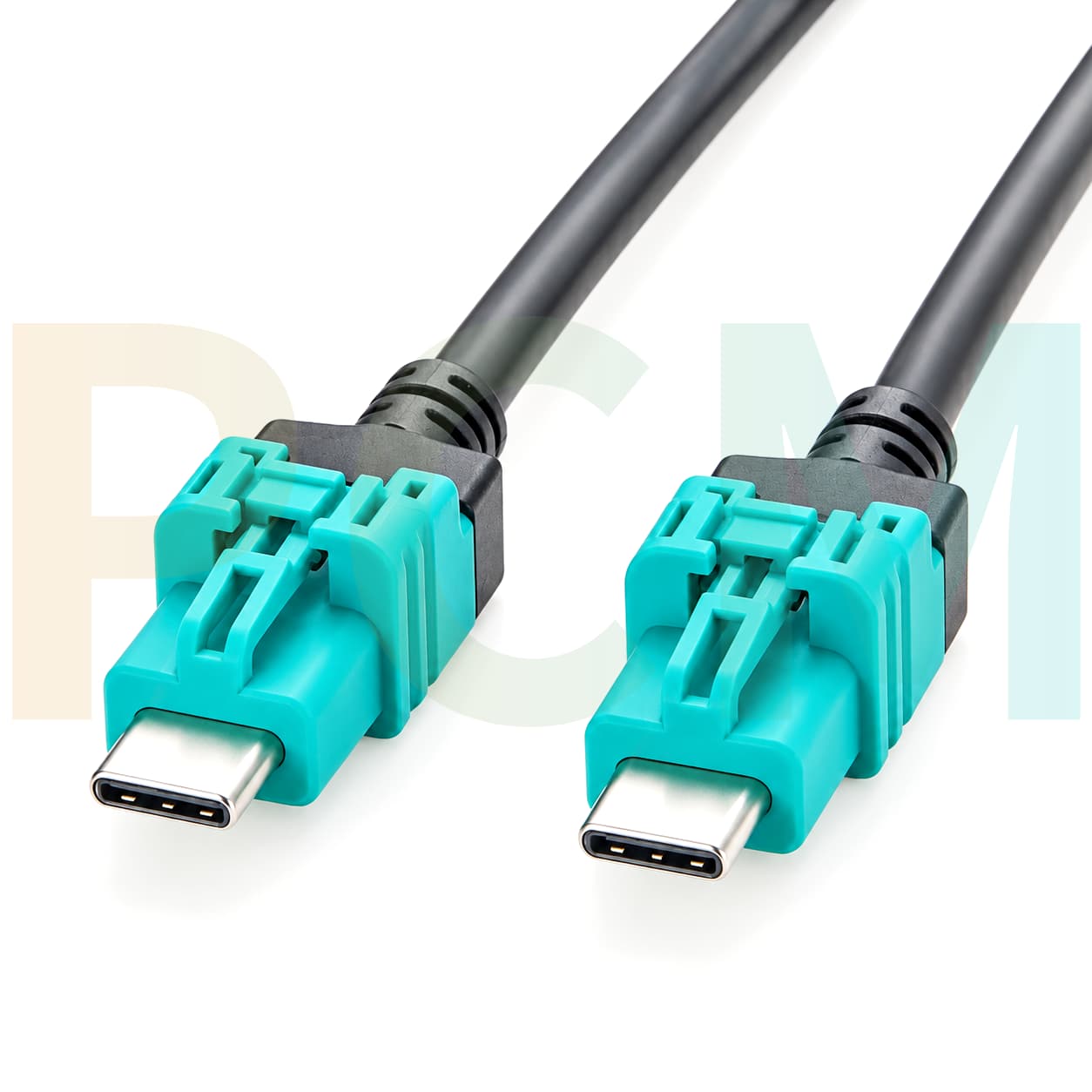
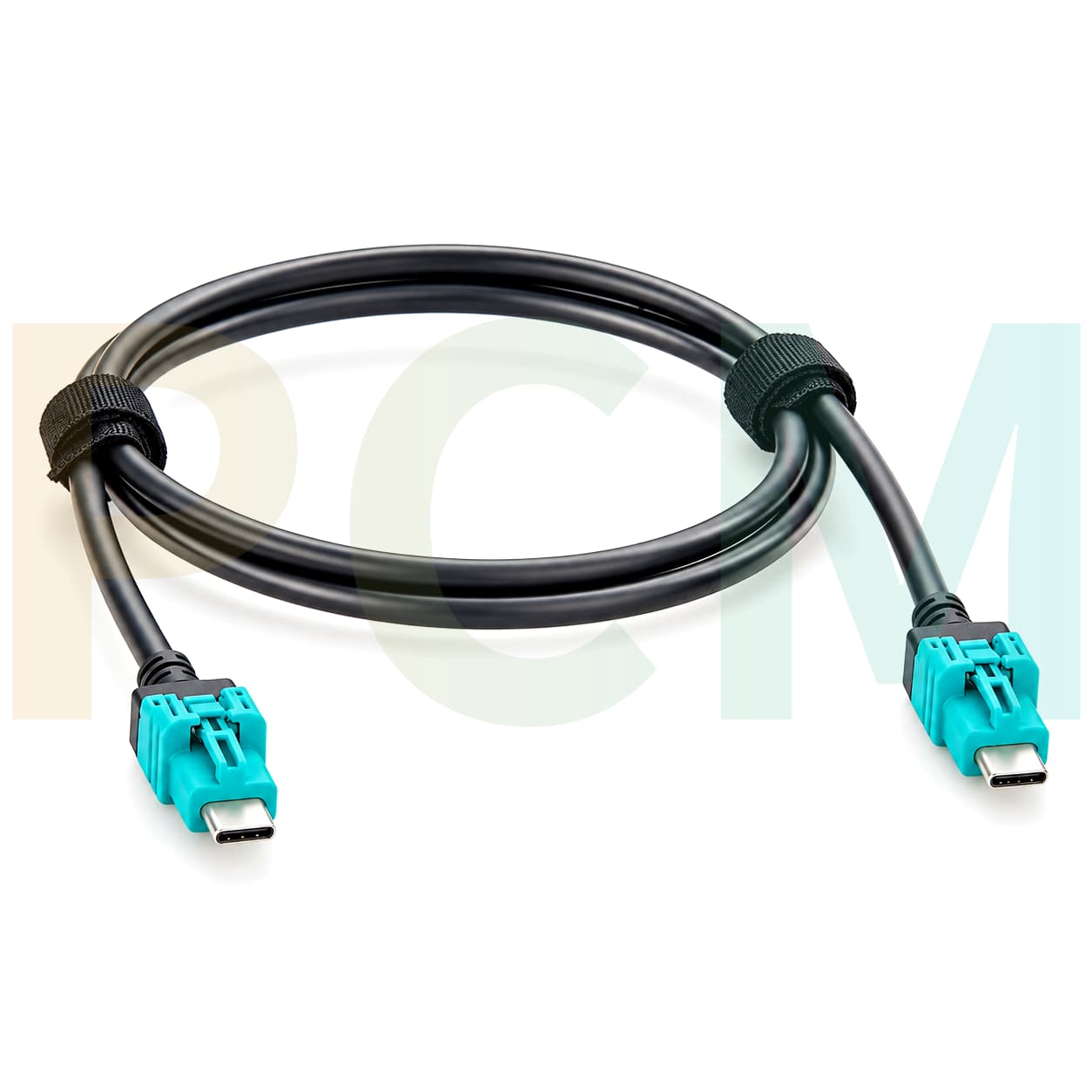
The TE Connectivity 2398010-5 is a USB Type-C vertical male connector assembly designed for cable connection applications and configured with Z-Code. Its official product page specifies USB 3.1 Gen 1, 22 positions, one port, a vertical body orientation, and a free-hanging cable-mount configuration.
The connector's primary function is to provide a connection interface in systems that meet the relevant mechanical and electrical requirements. When combined with a suitable cable, termination components, and a connector at the opposite end, it can form part of a USB Type-C cable assembly for wired connections between electronic devices.
What Does This Product Do ?
The TE Connectivity 2398010-5 USB Cable features a Z-Code configuration, providing a clear basis for connector selection in automotive electronics development and wiring harness integration. The official product drawings can be used to verify the connector design, mounting orientation, and mating interfaces. Provided that the complete cable design and electrical validation meet the equipment requirements, this cable assembly may be used in compatible automotive wired-connectivity applications, such as data connections between in-vehicle infotainment systems and other electronic modules.
For OEM customization and wholesale procurement, consistently documenting the connector part number, cable construction, termination method, and inspection requirements helps standardize bills of materials, assembly procedures, and quality control, improving coordination among engineering, procurement, and production teams. Final suitability must be confirmed against the complete cable specifications, wiring assignments, and capabilities of the connected devices.
Why Choose a Z-Code USB Type-C Connection Solution ?
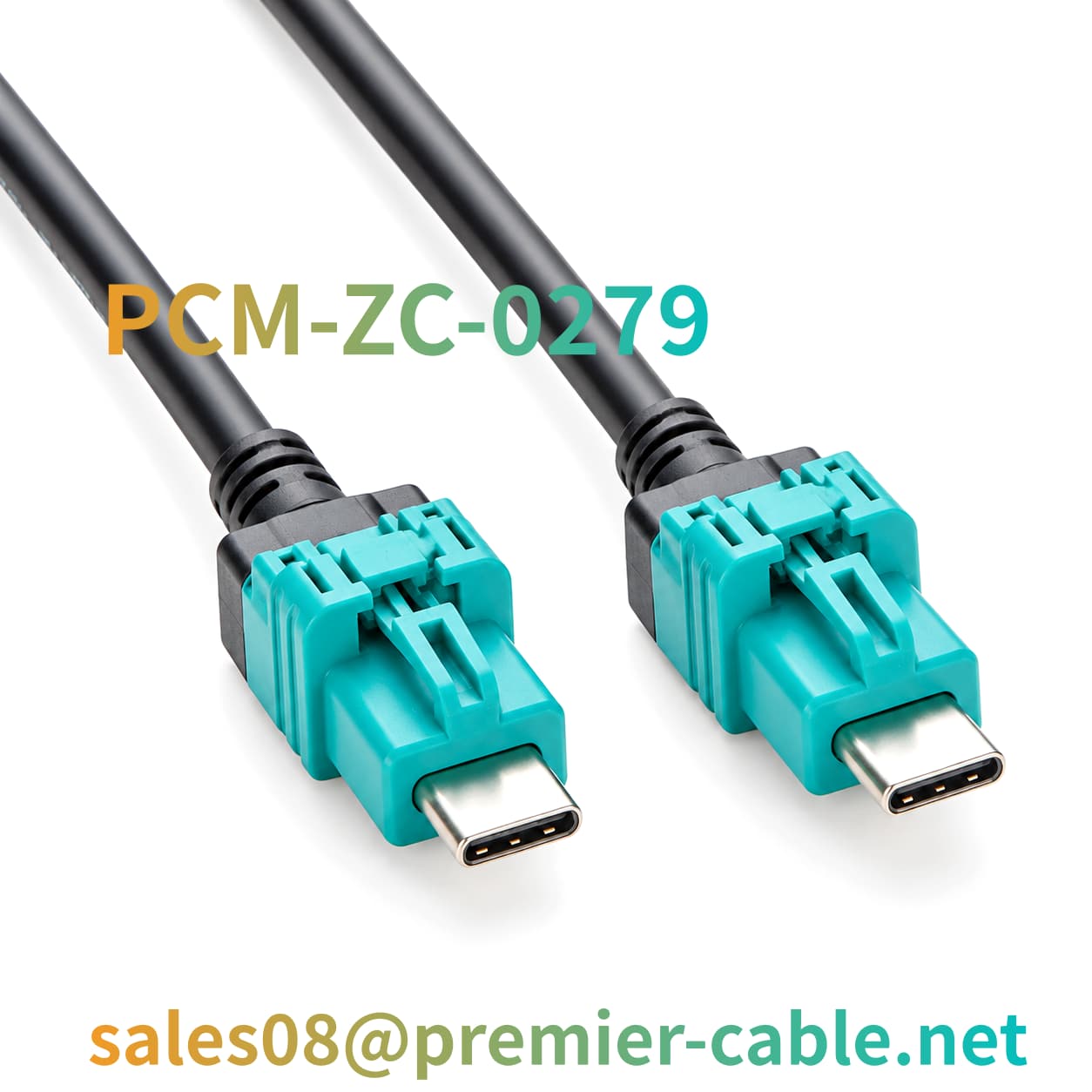
Choosing the TE Connectivity 2398010-5 Z-Code USB Type-C connection solution helps define connector models and mating requirements for automotive electronics projects, reducing selection risks caused by part-number confusion or mechanical differences. For OEM customization and wholesale procurement of finished aqua-blue USB Type-C cables, defining the connector model, cable length, jacket color, shielding method, termination requirements, and test items together creates verifiable technical specifications and reduces repeated communication during prototyping.
Clear product identification and technical documentation also support design reviews, sample approval, and production inspection. Approved wiring diagrams, sample configurations, and inspection criteria should be maintained in project documentation, with procedures for managing material and process changes to improve consistency in cable customization, production delivery, and quality control.
Product Pain Point Analysis
Similar Connector Appearance but Different Coding
USB Type-C is a widely used interface format, but connector assemblies with the same external interface do not necessarily share the same internal configuration or mechanical design. Ignoring configuration-identification information such as Z-Code during purchasing may result in a mismatch between the connector and the existing equipment interface.
Selection should be based on the complete part number, official product drawings, mating interface, and assembly requirements. Other coded versions should not be treated as direct substitutes solely because they look similar.
Automotive Cable Design Requirements
Automotive cables may need to accommodate limited installation space, repeated bending, temperature changes, and vibration. The connector specification alone does not automatically demonstrate that the complete cable meets all automotive environmental requirements.
Project design should therefore evaluate cable outside diameter, bend radius, strain relief, retention method, and required environmental testing according to the actual installation location. Applications requiring moisture resistance or waterproofing also need a verified protective design for the complete assembly.
Product Compatibility Statement
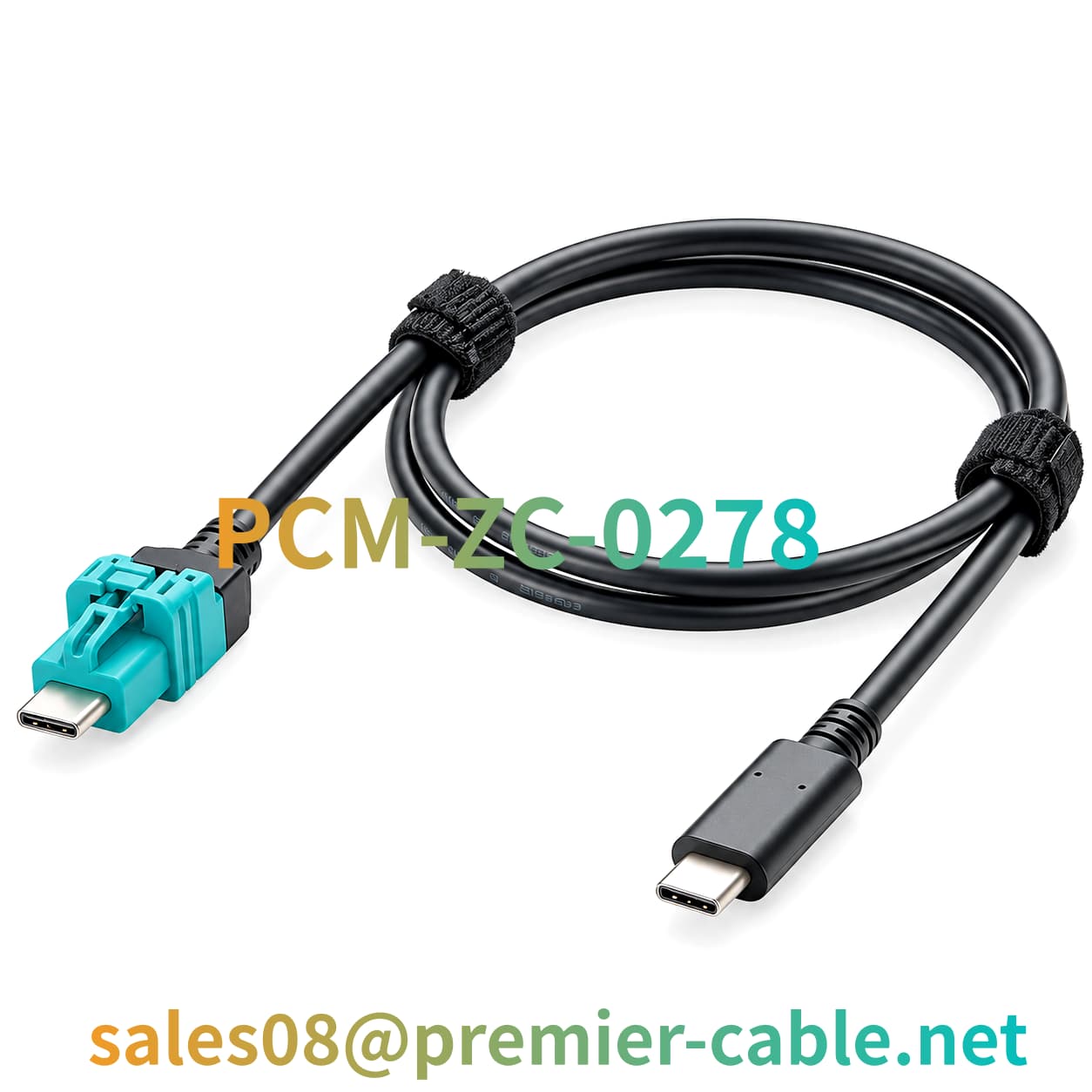
Meaning of Z-Code and Its Selection Boundaries
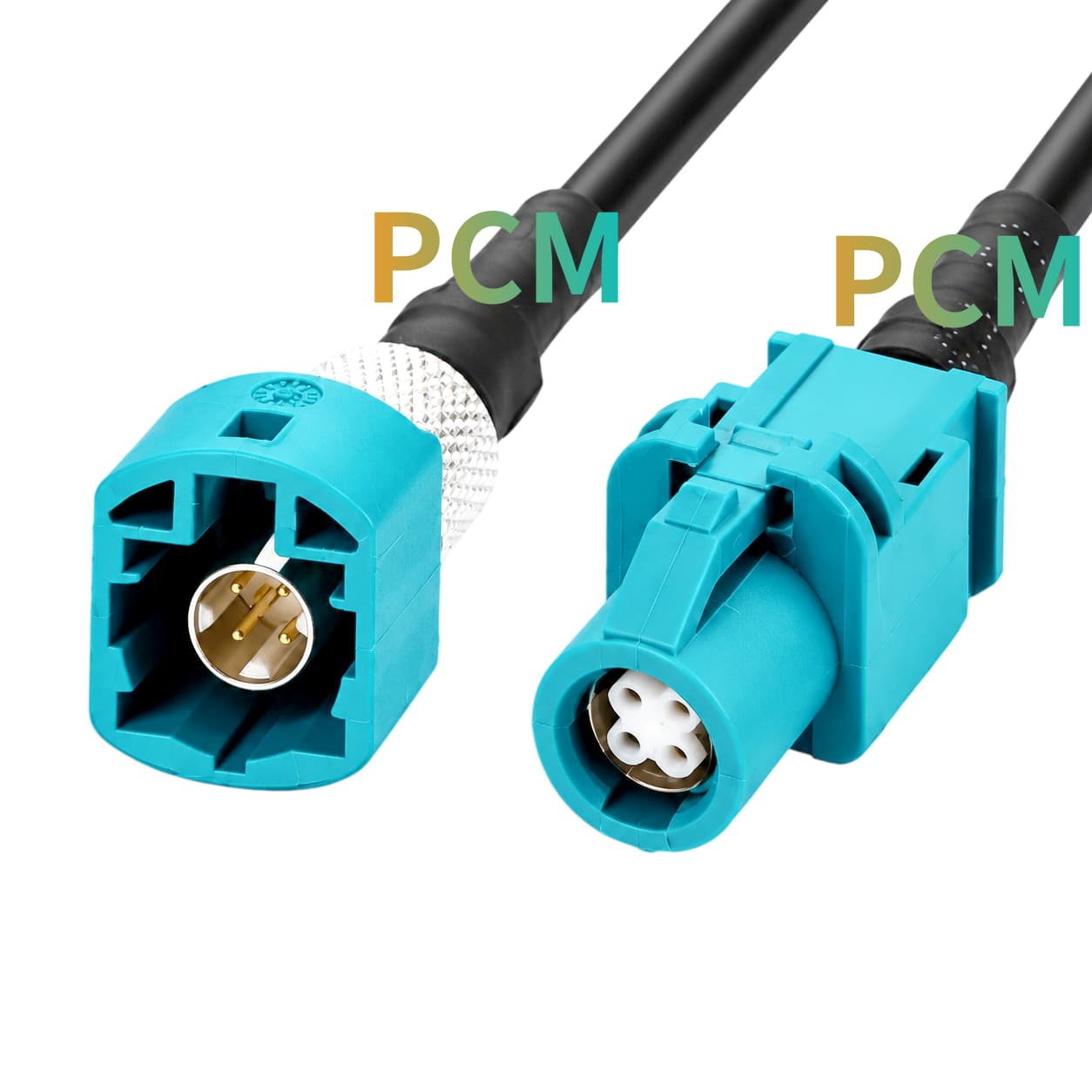
TE Connectivity officially describes 2398010-5 as a Z-Code vertical male USB Type-C connector assembly. Z-Code is part of the product's configuration identification. Selection should be based on the complete part number and the manufacturer's official technical documentation rather than the generic USB Type-C interface name alone.
If 2398010-5 is being compared with or considered as a replacement for another coded model, the official drawings, locating features, mating interface, termination configuration, and electrical assignments should be checked and verified through appropriate sample testing.
Differences from the A-Code Model
The 2398010-5 uses Z-Code, whereas the 2398010-1 uses A-Code. TE Connectivity's official product pages identify these as separate models with their respective configuration descriptions. Although they belong to a similar basic product category, they should not be interchanged without technical verification.
During project selection, the model should be confirmed against the coding, mechanical mating, and complete cable design required by the target equipment. If the existing equipment specifies Z-Code, the official drawings and mating interface for 2398010-5 should be checked first.
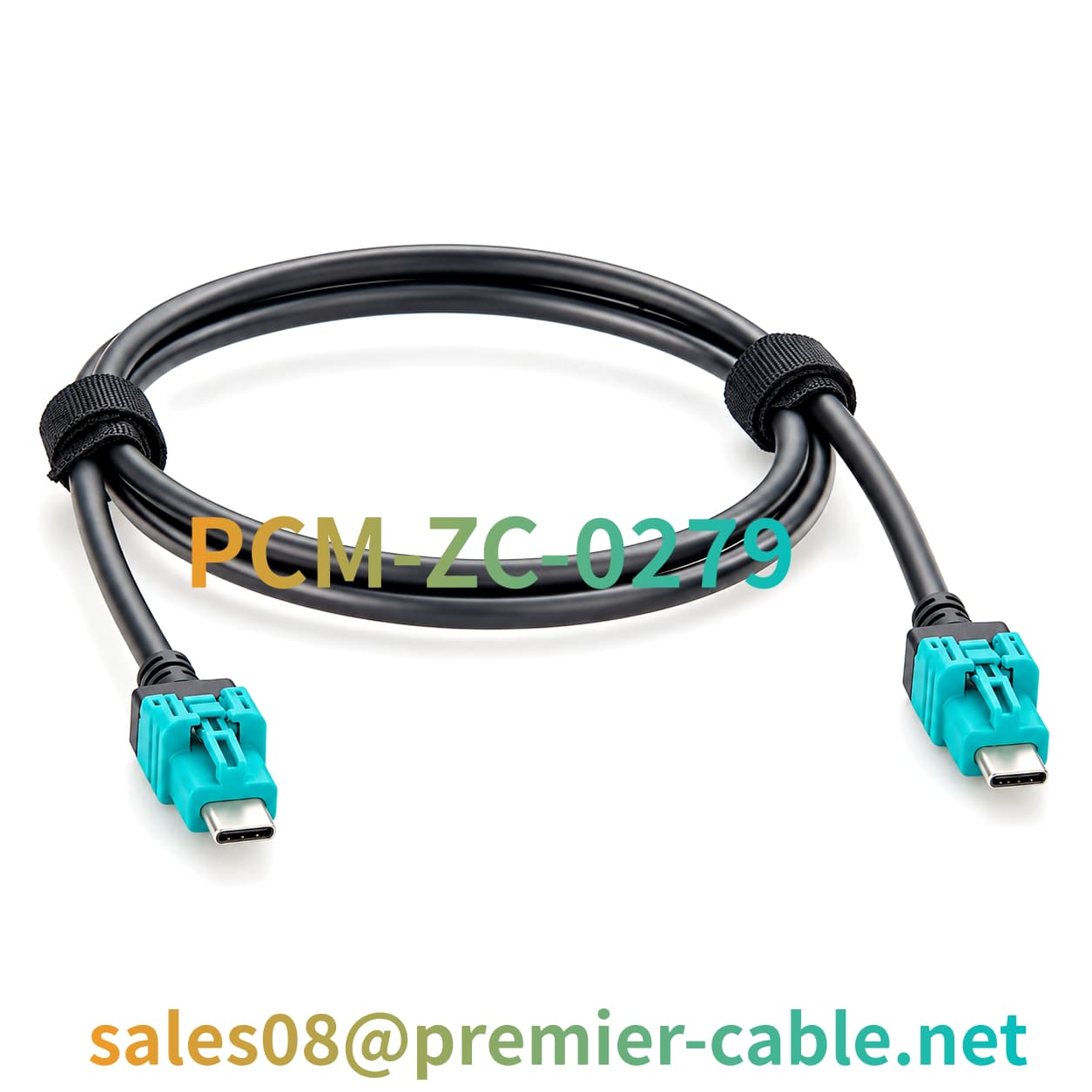
How to Select the Right Product ?
Step 1: Confirm the Required Equipment-Side Coding
First, determine whether the target equipment requires A-Code or Z-Code, and verify the complete connector part number. If the equipment design specifically requires Z-Code, review the official drawings, interface construction, and mounting orientation for 2398010-5. Do not complete a purchase solely because the external interface appears similar.
Step 2: Confirm Whether You Are Purchasing a Connector or a Complete Cable
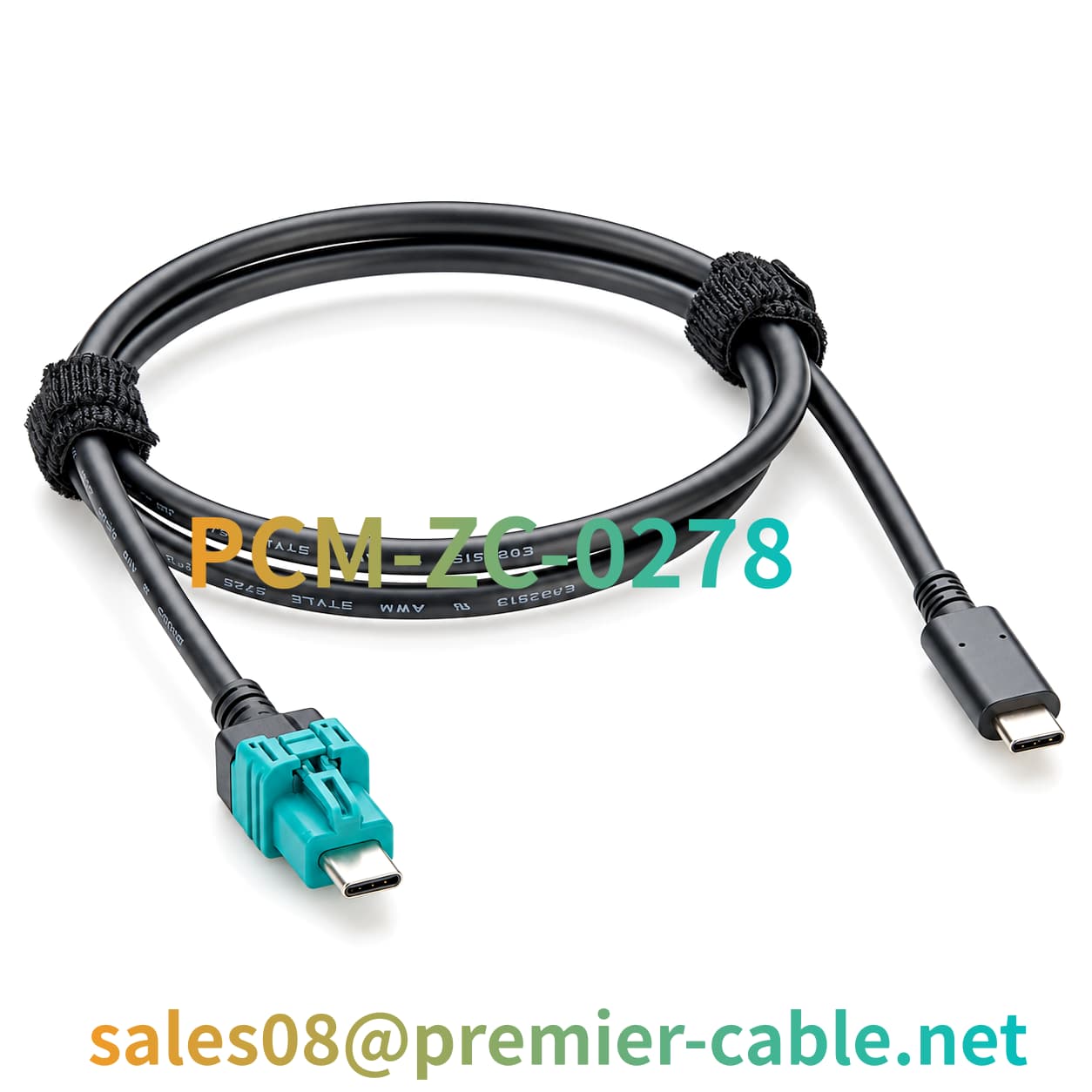
The official description of TE Connectivity 2398010-5 identifies a connector assembly. If the project requires a complete aqua-blue USB Type-C cable, specify the opposite-end interface, cable length, jacket color, and termination method. For connector-assembly purchases, the compatible cable, terminals, and assembly requirements must be confirmed separately.
Step 3: Define Data-Transfer and Power Requirements
Determine the required USB specification, target data rate, and power requirements according to the equipment's function. Then verify the cable's conductor configuration, differential pairs, impedance, shielding, and termination method. If the project involves a specific power level or USB Power Delivery, confirm the relevant design, device compatibility, and testing evidence rather than drawing conclusions from the connector part number alone.
Step 4: Confirm Cable Length, Color, and Installation Clearance
Determine cable length based on the distance between devices and the routing path, then confirm outside diameter, bend radius, retention method, and strain-relief requirements. For the aqua-blue appearance, specify the color reference and jacket material, and verify that the appearance meets project requirements through sample approval.
Product FAQ
What Is the Difference Between Z-Code and A-Code ?
Z-Code and A-Code are identifiers used in the configurations of the relevant product models. For the TE Connectivity 2398010 series, the specific version should be identified using the complete part number and corresponding official product drawings. Interchangeability should not be determined solely from the external USB Type-C shape.
The 2398010-5 corresponds to Z-Code, while the 2398010-1 corresponds to A-Code. During engineering selection, confirm the coding required by the target equipment and verify the mating interface, mechanical construction, and electrical assignments. Any proposed model substitution should undergo technical evaluation and appropriate sample validation first.
Why Can Data Performance Differ Even When USB Type-C Interfaces Look the Same ?
USB Type-C primarily describes the interface format and does not, by itself, specify every data function supported by a complete cable. Internal conductor count, differential-pair construction, impedance control, shielding design, termination quality, and connected-device capabilities can all affect actual data-transfer performance.
A cable assembly using TE Connectivity 2398010-5 should therefore be evaluated against the project's complete-cable specification and test results. If a particular transfer rate is required, it should be clearly defined in the product specification and verified using an appropriate test method.
Why Do Automotive Cables Require Attention to Shielding and Signal Integrity ?
Automotive electronic equipment may contain switching power supplies, motor drives, wireless communication modules, and other electronic circuits, each presenting different electromagnetic compatibility requirements. For high-speed USB data connections, conductor layout, differential-pair construction, impedance control, shielding design, and termination quality can all affect signal integrity.
However, the fact that a connector is intended for automotive electronics does not automatically mean that every cable using it meets specific electromagnetic compatibility requirements. Engineering teams should define the shielding approach according to the target equipment design and validate the complete assembly through applicable testing.
What Is the Difference Between 2398010-5 and 2398010-1 ?
The 2398010-5 uses Z-Code, while the 2398010-1 uses A-Code. Both official product descriptions identify USB Type-C vertical male connector assemblies, but their coding configurations differ. Selection should be based on the target equipment requirements, official product drawings, and mating interfaces. They should not be interchanged without verification.