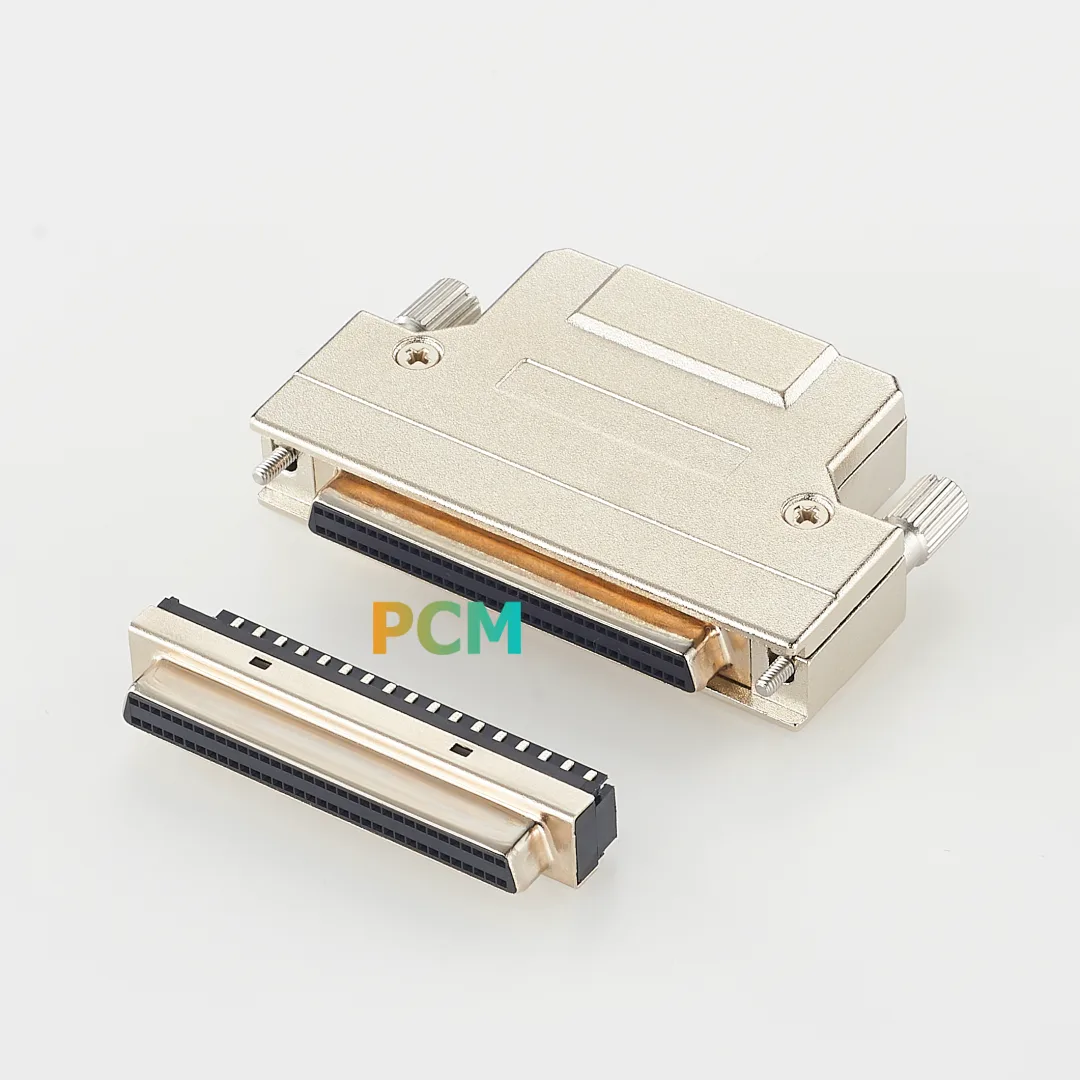
SMA and SMB are both common radio frequency (RF) coaxial connectors. They look similar, but there are some significant differences in shape, size, impedance, frequency, locking mechanism, and other aspects.
SMA connector
SMA, the abbreviation of SubMiniature version A, is a small, high-frequency coaxial connector featuring a screw-on mechanism. SMA connector has a 50-ohm characteristic impedance and supports frequencies up to 18 GHz or higher, making it suitable for wireless communications, satellite antennas, GPS navigation systems, testing Instruments, telecommunications, network infrastructure, and other high-frequency applications.


SMB Connector
SMB connector, short of the SubMiniature version B, is often used for low-frequency signal transmission. It is smaller than the SMA connector. It adopts the snap-on locking mechanism, allowing users quick and easy connections and disconnections by a simple push-pull action. Its impedance is available in 50 Ω and 75 Ω, and it offers a frequency range from 0 to 4 GHz.


SMA VS SMB
| Name | SMA | SMB |
| Full Name | SubMiniature version A | SubMiniature version B |
| Shape | Larger | Smaller |
| Impedance | 50Ω (common), 75Ω (optional) | 50 Ω, Or 75 Ω |
| Frequency | Typically DC to 18 GHz Some up to 26.5 GHz |
Typically DC to 4 GHz |
| Locking Mechanism | Screw-On | Snap-On |
| Vibration Resistance | Excellent | Moderate |
| Applications | Wireless Communications, Antennas, GPS Navigation Systems, Testing Instruments, and Other High-Frequency Applications | Automotive Electronics, and Other Lower-Frequency Applications |
You May Also Like